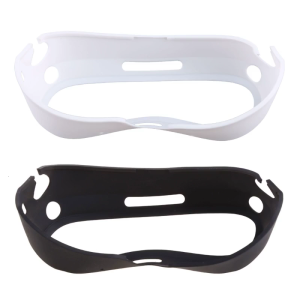


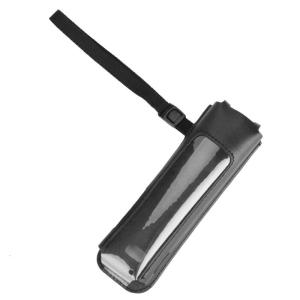
Streaming Device Remote Control Case Dustproof Cover With Hook And Loop Fasteners And Expose Speaker Port for Remote

Premium remote cover suited with Voice Remote, Voice Remote, and Remote Control, crafted with fine PU leather for great protections and precise cutouts ensuring full functionality. High transparency front panel maintains sensors while hook and loop fastener and open back design allow easy charging/speakers access without removing the case. Designed for owners who prioritize both styles and practicality, offering daily use protections for households and entertainment enthusiasts. Streaming Device Remote Control Case Dustproof Cover With Hook And Loop Fasteners And Expose Speaker Port for Remote Features: Premium remote cover suited with Voice Remote, Voice Remote, and Remote Control, crafted with fine PU leather for great protections and precise cutouts ensuring full functionality. High transparency front panel maintains sensors while hook and loop fastener and open back design allow easy charging/speakers access without removing the case. Designed for owners who prioritize both styles

Digital Depot1
Digital Depot1

Seller ratings 100%

Review

Oops
This video has no reviews.

You May Also Like

Soft Case & Lanyard for OPPO A15 & Vivo Y20: Cute Cartoon Design & Luxury Plating
00:47

Soft Case & Lanyard for OPPO A15 & Vivo Y20: Cute Cartoon Design & Luxury Plating

Heat Dissipation for Magsafe Magnetic Cases: A Guide for Samsung Galaxy S25 & S24
00:27

Heat Dissipation for Magsafe Magnetic Cases: A Guide for Samsung Galaxy S25 & S24

Magic Keyboard Magnetic for iPad 11th 10th Bluetooth Keyboard Wireless for IPad Air 4 5 6 Pro 11 Tablet Smart Case Spanish cover
00:44

Magic Keyboard Magnetic for iPad 11th 10th Bluetooth Keyboard Wireless for IPad Air 4 5 6 Pro 11 Tablet Smart Case Spanish cover

LEI TypeC 2Pin Waterproof Female USB C Socket Port With Screw Hole Fast Charge Charging Interface USB Connector With Cable H11.5mm
00:27

LEI TypeC 2Pin Waterproof Female USB C Socket Port With Screw Hole Fast Charge Charging Interface USB Connector With Cable H11.5mm

Luxury Matte Magnetic Case for Samsung S25 S24 S23 S22 Ultra S21 S20 Plus Capa for Samsung Note 20 Ultra Magsafe Phone Cover
00:31

Luxury Matte Magnetic Case for Samsung S25 S24 S23 S22 Ultra S21 S20 Plus Capa for Samsung Note 20 Ultra Magsafe Phone Cover

Nillkin Bumper Pro Leather Case: The Ultimate Protection for Samsung Galaxy Tab S8 5G & S8 PLUS
00:57

Nillkin Bumper Pro Leather Case: The Ultimate Protection for Samsung Galaxy Tab S8 5G & S8 PLUS

Synergy Voltage Protector with Power On Delay (SVP-250) WAVE Surge Protector
00:10

Synergy Voltage Protector with Power On Delay (SVP-250) WAVE Surge Protector

TG VGA To AV Video Converter AV RCA CVBS to VGA Video HDTV Adapter
00:30

TG VGA To AV Video Converter AV RCA CVBS to VGA Video HDTV Adapter

Network Splitter for Ethernet: A Comprehensive Guide\\n\\n Introduction to Network Splitters\\n\\n What is a Network Splitter?\\n\\nA network splitter is a device that allows you to distribute a single Ethernet connection to multiple devices. This is particularly useful if you have limited ports available on your router or switch and want to extend your network coverage. In this comprehensive guide, we will explore the different types of network splitters, how they work, and how to choose the right one for your needs.\\n\\n How Does a Network Splitter Work?\\n\\nNetwork splitters function by taking a single Ethernet connection and splitting it into multiple outputs. This allows you to connect several devices to a single network port, effectively extending your network coverage. There are two main types of network splitters: passive and active. Passive splitters rely solely on the signal strength of the incoming connection, while active splitters amplify the signal to maintain optimal performance across all connected devices.\\n\\n Types of Network Splitters\\n\\nThere are several types of network splitters available, including:\\n\\n- **RJ45 Splitter 1 in 4:** This type of splitter takes a single Ethernet connection and splits it into four outputs, allowing you to connect up to four devices to a single network port.\\n- **Gigabit Ethernet Splitter:** These splitters support speeds up to 1 Gbps, making them ideal for high-speed internet connections and demanding applications such as gaming or video streaming.\\n- **100M 1000M Splitter:** This type of splitter supports both 100 Mbps and 1 Gbps connections, providing flexibility for various network environments.\\n\\n Choosing the Right Network Splitter\\n\\n Key Features to Consider\\n\\nWhen selecting a network splitter, consider the following key features:\\n\\n- **Number of Outputs:** Determine how many devices you want to connect to a single network port.\\n- **Speed:** Choose a splitter that supports the desired speed of your internet connection.\\n- **Compatibility:** Ensure the splitter is compatible with your existing network setup and devices.\\n\\n Differences Between 100M & 1000M Splitter\\n\\nThe main difference between a 100M and a 1000M splitter lies in their supported speeds. A 100M splitter supports connections up to 100 Mbps, while a 1000M splitter supports connections up to 1 Gbps. If you have a high-speed internet connection, a 1000M splitter would be the better choice to ensure optimal performance.\\n\\n Gigabit Ethernet Splitter vs. RJ45 Splitter 1 in 4\\n\\nA Gigabit Ethernet splitter and an RJ45 splitter 1 in 4 differ primarily in their supported speeds and number of outputs. A Gigabit Ethernet splitter supports connections up to 1 Gbps and can have varying numbers of outputs depending on the model. An RJ45 splitter 1 in 4, on the other hand, splits a single Ethernet connection into four outputs and typically supports speeds up to 100 Mbps or 1 Gbps, depending on the model.\\n\\n How to Use a Network Splitter\\n\\n Connecting a Network Splitter to Your PC or Laptop\\n\\nTo connect a network splitter to your PC or laptop, follow these steps:\\n\\n1. Connect one end of an Ethernet cable to the input port of the network splitter.\\n2. Connect the other end of the Ethernet cable to a network port on your router or switch.\\n3. Connect the output ports of the network splitter to your desired devices using Ethernet cables.\\n\\n Setting Up a Network Splitter for Multiple Devices\\n\\nTo set up a network splitter for multiple devices, follow these steps:\\n\\n1. Connect one end of an Ethernet cable to the input port of the network splitter.\\n2. Connect the other end of the Ethernet cable to a network port on your router or switch.\\n3. Connect the output ports of the network splitter to your desired devices using Ethernet cables.\\n\\n Troubleshooting Common Issues with Network Splitters\\n\\nIf you encounter issues with your network splitter, try the following troubleshooting steps:\\n\\n- **Check Connections:** Ensure all Ethernet cables are securely connected to the network splitter and devices.\\n- **Restart Devices:** Restart your router, switch, and connected devices to refresh their network connections.\\n- **Check Network Settings:** Verify that the network settings on your devices are configured correctly.\\n\\n Conclusion\\n\\n Recap of Key Points\\n\\nIn this comprehensive guide, we explored the different types of network splitters, how they work, and how to choose the right one for your needs. We discussed key features to consider when selecting a network splitter, differences between 100M and 1000M splitters, and the distinctions between Gigabit Ethernet splitters and RJ45 splitters 1 in 4. We also provided step-by-step instructions for connecting a network splitter to your PC or laptop, setting up a network splitter for multiple devices, and troubleshooting common issues.\\n\\n Final Thoughts on Network Splitters\\n\\nNetwork splitters are a valuable tool for extending your network coverage and connecting multiple devices to a single network port. By understanding the different types of network splitters and their capabilities, you can choose the right one for your needs and enjoy a seamless networking experience.\n}
00:43

Network Splitter for Ethernet: A Comprehensive Guide\\n\\n Introduction to Network Splitters\\n\\n What is a Network Splitter?\\n\\nA network splitter is a device that allows you to distribute a single Ethernet connection to multiple devices. This is particularly useful if you have limited ports available on your router or switch and want to extend your network coverage. In this comprehensive guide, we will explore the different types of network splitters, how they work, and how to choose the right one for your needs.\\n\\n How Does a Network Splitter Work?\\n\\nNetwork splitters function by taking a single Ethernet connection and splitting it into multiple outputs. This allows you to connect several devices to a single network port, effectively extending your network coverage. There are two main types of network splitters: passive and active. Passive splitters rely solely on the signal strength of the incoming connection, while active splitters amplify the signal to maintain optimal performance across all connected devices.\\n\\n Types of Network Splitters\\n\\nThere are several types of network splitters available, including:\\n\\n- **RJ45 Splitter 1 in 4:** This type of splitter takes a single Ethernet connection and splits it into four outputs, allowing you to connect up to four devices to a single network port.\\n- **Gigabit Ethernet Splitter:** These splitters support speeds up to 1 Gbps, making them ideal for high-speed internet connections and demanding applications such as gaming or video streaming.\\n- **100M 1000M Splitter:** This type of splitter supports both 100 Mbps and 1 Gbps connections, providing flexibility for various network environments.\\n\\n Choosing the Right Network Splitter\\n\\n Key Features to Consider\\n\\nWhen selecting a network splitter, consider the following key features:\\n\\n- **Number of Outputs:** Determine how many devices you want to connect to a single network port.\\n- **Speed:** Choose a splitter that supports the desired speed of your internet connection.\\n- **Compatibility:** Ensure the splitter is compatible with your existing network setup and devices.\\n\\n Differences Between 100M & 1000M Splitter\\n\\nThe main difference between a 100M and a 1000M splitter lies in their supported speeds. A 100M splitter supports connections up to 100 Mbps, while a 1000M splitter supports connections up to 1 Gbps. If you have a high-speed internet connection, a 1000M splitter would be the better choice to ensure optimal performance.\\n\\n Gigabit Ethernet Splitter vs. RJ45 Splitter 1 in 4\\n\\nA Gigabit Ethernet splitter and an RJ45 splitter 1 in 4 differ primarily in their supported speeds and number of outputs. A Gigabit Ethernet splitter supports connections up to 1 Gbps and can have varying numbers of outputs depending on the model. An RJ45 splitter 1 in 4, on the other hand, splits a single Ethernet connection into four outputs and typically supports speeds up to 100 Mbps or 1 Gbps, depending on the model.\\n\\n How to Use a Network Splitter\\n\\n Connecting a Network Splitter to Your PC or Laptop\\n\\nTo connect a network splitter to your PC or laptop, follow these steps:\\n\\n1. Connect one end of an Ethernet cable to the input port of the network splitter.\\n2. Connect the other end of the Ethernet cable to a network port on your router or switch.\\n3. Connect the output ports of the network splitter to your desired devices using Ethernet cables.\\n\\n Setting Up a Network Splitter for Multiple Devices\\n\\nTo set up a network splitter for multiple devices, follow these steps:\\n\\n1. Connect one end of an Ethernet cable to the input port of the network splitter.\\n2. Connect the other end of the Ethernet cable to a network port on your router or switch.\\n3. Connect the output ports of the network splitter to your desired devices using Ethernet cables.\\n\\n Troubleshooting Common Issues with Network Splitters\\n\\nIf you encounter issues with your network splitter, try the following troubleshooting steps:\\n\\n- **Check Connections:** Ensure all Ethernet cables are securely connected to the network splitter and devices.\\n- **Restart Devices:** Restart your router, switch, and connected devices to refresh their network connections.\\n- **Check Network Settings:** Verify that the network settings on your devices are configured correctly.\\n\\n Conclusion\\n\\n Recap of Key Points\\n\\nIn this comprehensive guide, we explored the different types of network splitters, how they work, and how to choose the right one for your needs. We discussed key features to consider when selecting a network splitter, differences between 100M and 1000M splitters, and the distinctions between Gigabit Ethernet splitters and RJ45 splitters 1 in 4. We also provided step-by-step instructions for connecting a network splitter to your PC or laptop, setting up a network splitter for multiple devices, and troubleshooting common issues.\\n\\n Final Thoughts on Network Splitters\\n\\nNetwork splitters are a valuable tool for extending your network coverage and connecting multiple devices to a single network port. By understanding the different types of network splitters and their capabilities, you can choose the right one for your needs and enjoy a seamless networking experience.\n}

New Casing Samsung Galaxy A04s A13 A23 LTE A33 A53 A73 M33 4G 5G Hot Style Fresh Candy Colour Phone Case Cartoon Fashion 3D Bear Doll Bracelets 2022
00:15

New Casing Samsung Galaxy A04s A13 A23 LTE A33 A53 A73 M33 4G 5G Hot Style Fresh Candy Colour Phone Case Cartoon Fashion 3D Bear Doll Bracelets 2022

5pcs Portable Vacuum Cleaner Hepa Filter High-Efficiency Filter For Xiaomi Derma DX115S DX115C
00:16

5pcs Portable Vacuum Cleaner Hepa Filter High-Efficiency Filter For Xiaomi Derma DX115S DX115C

Y-fold Case for Xiaomi Pad 7 / 7Pro 11.2inch Xiaomi Mi Pad 6 / 6Pro 11inch Xiaomi Pad 6S Pro 12.4inch Acrylic Clear Tablet Cover with Pencil Holder
00:59

Y-fold Case for Xiaomi Pad 7 / 7Pro 11.2inch Xiaomi Mi Pad 6 / 6Pro 11inch Xiaomi Pad 6S Pro 12.4inch Acrylic Clear Tablet Cover with Pencil Holder