



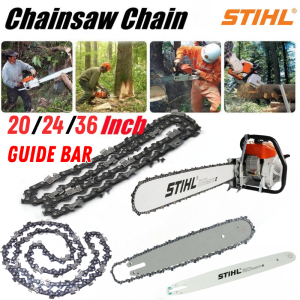
Chainsaw Guide Bar Chainsaw Chain 20/24/36 inch Sliver Harder Upgrade Guide Plate Guide Bar Power Tool Accessories
Chainsaw Guide Bar Chainsaw Chain 20/24/36 inch Sliver Harder Upgrade Guide Plate Guide Bar Power Tool Accessories
A comprehensive guide to understanding, upgrading, and maintaining your chainsaw guide bar and chain, including the Harder Chainsaw Chain and Upgrade Guide Plate.
Understanding Chainsaw Guide Bars & Chains
Key Features of Chainsaw Guide Bars & Chains
The guide bar and chain are essential components of any chainsaw, working together to cut through wood and other materials. Key features include:
- Guide Bar: A long, curved metal piece that guides the chain during operation.
- Chain: A series of connected links with cutting teeth, powered by the chainsaw motor.
Common Types of Chainsaw Chains
There are three common types of chainsaw chains, differentiated by their pitch and gauge:
- Pitch: The distance between three consecutive rivets on the chain, typically measured in inches.
- Gauge: The thickness of the drive link, measured in millimeters.
Common types include:
- Standard Chains: Suitable for general-purpose cutting tasks.
- Aggressive Chains: Designed for faster cutting through tough materials.
- Silent Chains: Quieter operation, often preferred for residential use.
Choosing the Right Chain Size (20/24/36 inch)
Selecting the correct chain size is crucial for optimal performance and safety. Chain sizes are typically measured in inches, with common sizes being 20, 24, and 36 inches. Factors to consider when choosing a chain size include:
- Chainsaw Model: Consult the manufacturer's specifications for recommended chain sizes.
- Cutting Tasks: Larger chains are better suited for heavy-duty cutting tasks.
- User Experience: Longer chains may require more effort to operate, while shorter chains are easier to handle.
Upgrading Your Chainsaw Guide Bar & Chain
Benefits of Upgrading Your Chainsaw Accessories
Upgrading your chainsaw guide bar and chain can offer several benefits, including:
- Improved Performance: Enhanced cutting speed and efficiency.
- Increased Safety: Reduced risk of kickback and other accidents.
- Extended Lifespan: Better protection against wear and tear.
Steps to Upgrade Your Chainsaw Guide Bar & Chain
Follow these steps to upgrade your chainsaw guide bar and chain:
- Remove the Old Chain: Release the chain tension and remove the old chain from the guide bar.
- Install the New Chain: Attach the new chain to the guide bar, ensuring proper alignment and tension.
- Replace the Guide Bar: If necessary, replace the old guide bar with a new one, following the manufacturer's instructions.
- Test the Chainsaw: Perform a test cut to ensure proper operation and adjust as needed.
Important Considerations When Upgrading
When upgrading your chainsaw guide bar and chain, keep the following considerations in mind:
- Compatibility: Ensure the new components are compatible with your chainsaw model.
- Quality: Invest in high-quality components to maximize performance and longevity.
- Safety: Follow all manufacturer instructions and safety guidelines during installation.
Maintaining Your Chainsaw Guide Bar & Chain
Regular Maintenance Tips
To keep your chainsaw guide bar and chain in top condition, follow these maintenance tips:
- Clean After Each Use: Remove dirt, debris, and excess oil from the guide bar and chain.
- Sharpen the Chain: Regularly sharpen the chain to maintain cutting efficiency.
- Check for Wear: Inspect the guide bar and chain for signs of wear or damage, replacing as needed.
- Store Properly: Store your chainsaw in a cool, dry place away from moisture and extreme temperatures.
Troubleshooting Common Issues
If you encounter any issues with your chainsaw guide bar or chain, refer to the following troubleshooting tips:
- Chain Stalling: Ensure proper tension and sharpening.
- Guide Bar Wobbling: Check for loose bolts or damaged components.
- Excessive Vibration: Inspect the guide bar and chain for wear or misalignment.
Extending the Lifespan of Your Chainsaw Accessories
To extend the lifespan of your chainsaw guide bar and chain, follow these tips:
- Use Quality Components: Invest in high-quality guide bars and chains.
- Maintain Proper Tension: Adjust the chain tension regularly to avoid excessive wear.
- Avoid Overuse: Limit cutting tasks to appropriate materials and conditions.
- Regular Maintenance: Follow a consistent maintenance routine to keep your chainsaw in top condition.

Paws Diary
You May Also Like
YoPo Weeding Shovel Gardening Tool Household Planting Flowers To Drive The Sea Agricultural Shovel 1PC

Heavy Duty Water Spray High Pressure Pvc Garden Hose With High Pressure Nozzle And Connection Accessory For Gardening & Cleaning
Rserie Grill Kit: A Comprehensive Guide to Universal Grills & US Plug

(Fast Delivery)Black Cyclone Spray Nozzle Corrosion-Resistant Black Alloy Spray Nozzle for Agricultural Use

DAITING 5Pcs Miniature Puppy Fairy Garden Decoration Kawaii Resin Cartoon Animal White Dog DIY Home Decor Dollhouse Accessories

Garden Mesh Guard For Planter 11.8/15.7 Inch Diameter Pet Proof Potting Soil Covers Easy Cutting Design Polyethylene
Yellow Onion (500 pcs) and Red Onion (5g) vegetable seeds premium gardening High yielding
![[COD] SUILEI Manual High Pressure Air Pump Sprayer Adjustable Drink Bottle Spray Head Nozzle Garden Watering Tool Sprayer Agriculture Tools](https://img.lazcdn.com/g/p/1e73c1c23c5fe1a26fb8be04cef6e171.jpg_300x300q80.jpg)
[COD] SUILEI Manual High Pressure Air Pump Sprayer Adjustable Drink Bottle Spray Head Nozzle Garden Watering Tool Sprayer Agriculture Tools
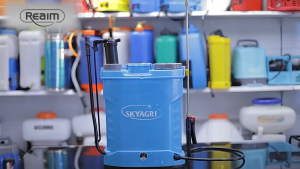
REAIM Sprayer Agriculture 5L 8L 16L 20L Rechargeable Knapsack Sprayer Electric and Manual 2in1 Sprayer Gardening tools
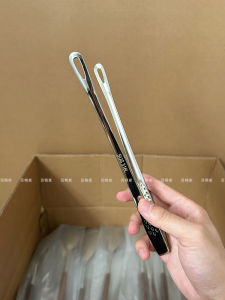
Thickened Korean Style Stainless Steel 316L BBQ Clamp Kitchen Food Tongs Steak Cooking Anti-Scalding Grill Clamp
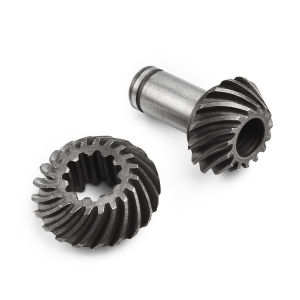
FUXING High Carbon Steel Gear Assembly For Brush Cutter And Grass Trimmer Mower Power Tool Replacement Part Black