


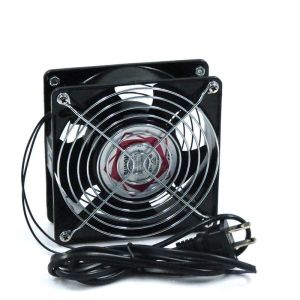
220V AC 120mm Blower Exhaust Cooling Fan 120x120x25mm Metal Blower Fan Incubator Fan Axial Fan
220V AC 120mm Blower Exhaust Cooling Fan 120x120x25mm Metal Blower Fan Incubator Fan Axial Fan
What is a 120mm Blower Fan?
A 120mm blower fan is a versatile device designed to provide efficient air circulation and cooling solutions for various applications. These fans are commonly used in electronics, industrial machinery, and HVAC systems. They come in different sizes, voltages, and configurations, making them suitable for a wide range of applications.
Key Features & Benefits
Key Features:
- Compact design: The 120mm blower fan has a small form factor, making it easy to install in tight spaces.
- High airflow: With a large diameter, these fans can move significant volumes of air, providing excellent cooling performance.
- Low noise: Modern designs incorporate noise-reducing features, ensuring minimal disturbance during operation.
- Durable construction: Most 120mm blower fans are made from high-quality materials, such as metal, which enhances their longevity.
Benefits:
- Enhanced cooling: By efficiently moving air, these fans can help dissipate heat, improving the performance and lifespan of electronic components.
- Improved air quality: Blower fans can remove contaminants and odors from enclosed spaces, promoting better indoor air quality.
- Energy efficiency: Many models feature energy-saving technologies, reducing power consumption and lowering operating costs.
Applications of Blower Fans
Blower fans find use in numerous industries and applications, including:
- Electronics cooling: Providing efficient cooling solutions for computers, servers, and other electronic devices.
- HVAC systems: Enhancing air circulation and ventilation in residential and commercial buildings.
- Industrial machinery: Cooling and ventilating equipment in manufacturing plants and factories.
- Incubators: Maintaining optimal temperature and air circulation in incubators used for hatching eggs or growing cells.
How to Choose the Right Blower Fan for Your Needs
Selecting the appropriate blower fan for your application requires careful consideration of several factors. Here are some guidelines to help you make an informed decision:
Considerations for Cooling & Exhaust Applications
When choosing a blower fan for cooling or exhaust purposes, consider the following:
- Required airflow: Determine the volume of air needed to achieve the desired cooling or exhaust effect.
- Pressure requirements: Assess the resistance in the system and select a fan with sufficient pressure capabilities.
- Noise level: If noise is a concern, opt for a fan with built-in noise-reduction features.
- Energy efficiency: Look for models that offer energy-saving technologies to minimize operating costs.
Choosing the Right Voltage & Size
To ensure compatibility with your existing electrical system, it's essential to choose the correct voltage and size for your blower fan. In this case, the 220V AC 120mm blower exhaust cooling fan is suitable for use in the United States.
- Voltage: Ensure the fan operates at the correct voltage for your electrical system. In this case, the fan is designed for 220V AC power.
- Size: Select a fan with the appropriate dimensions to fit your specific application. The 120x120x25mm metal blower fan is ideal for many cooling and exhaust applications.
Installation & Maintenance Tips for 120mm Blower Fans
Proper installation and regular maintenance are crucial for maximizing the performance and longevity of your blower fan. Here are some tips to help you get started:
Proper Installation Techniques
- Mounting: Ensure the fan is securely mounted in place using the appropriate hardware and mounting holes.
- Alignment: Align the fan properly to ensure optimal airflow and minimize noise.
- Wiring: Connect the fan to the power source according to the manufacturer's instructions.
Regular Maintenance & Cleaning
- Dust removal: Regularly clean the fan blades and housing to remove accumulated dust and debris.
- Lubrication: Apply lubricant to the fan bearings as recommended by the manufacturer to ensure smooth operation.
- Inspection: Periodically inspect the fan for signs of wear or damage, and replace any worn components as necessary.
Frequently Asked Questions About Blower Fans
Blower fans can be complex devices, and many users have questions about their operation and maintenance. Here are some common misconceptions and troubleshooting tips:
Common Misconceptions & Myths
- Myth: Larger fans always provide better performance. Fact: While larger fans can move more air, they may not be suitable for all applications. Consider factors such as noise level, power consumption, and mounting requirements when selecting a fan.
- Myth: All blower fans are noisy. Fact: Modern designs incorporate noise-reducing features, making it possible to find quiet blower fans for sensitive environments.
- Myth: Blower fans require frequent maintenance. Fact: With proper care, blower fans can operate reliably for years with minimal maintenance.
Troubleshooting Tips
- Fan not turning on: Check the power source and wiring connections to ensure proper operation.
- Excessive noise: Inspect the fan for loose components or worn bearings, and address any issues as necessary.
- Reduced airflow: Clean the fan blades and housing to remove accumulated dust and debris, which can restrict airflow.

DIY_Partner
You May Also Like
Universal Round Air Outlet A/C-Vent Suitable for RV Bus Yacht Auto Replacement Parts Air-conditioning Installation

4 Burner Built-in Cooktop Stainless Steel Gas Stoves Natural Gas Hob Kitchen
YIERYI High-speed Brushless Rechargeable Handheld Fan: A Powerful Outdoor Solution

GEJIESE 42inch Crystal Ceiling Fan with Light: A Comprehensive Guide
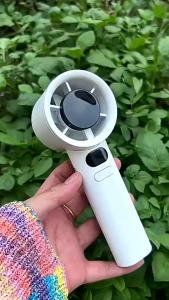
120-Speed Turbo Powerful Handheld Fan - USB Portable Mini Desk Fan with High-Velocity Airflow for Personal Cooling at Home Office or Travel

Battery display lint remover electric 6 Blade head electric lint remover lint remover for clothes No damage to clothing Go to the ball super clean Electric Fabric Clothes Lint Remover Hair Ball Trimmer Electric trimmer electric lint remover for clothes
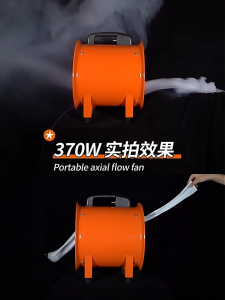
Portable Ventilation Fan 8/10/12 Inches Portable Axial Flow Fan 370W High Power Strong Suction Exhaust Fan Low Noise Large Air Volume Industrial Blower Air Purifier Energy Saving
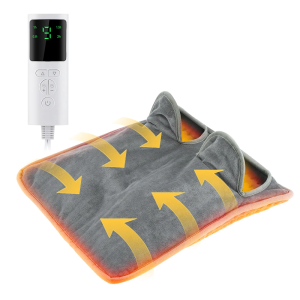
Electric Foot Heating Pad Washable Feet Warmer Household Soft Plush Thermal Blanket Foot Warming Mat for Home Office Bedroom

(Free shampoo and conditioner)Supersonic Hair Dryer HD08 (Four colors) with Flyaway attachment
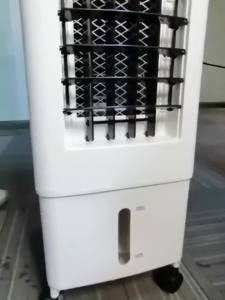
Portable Air Conditioner & Mini Electric Fan Cooler: A Comprehensive Guide
The Ultimate Guide to Restaurant Stainless Steel Electronic Soup Heating Pots