


Growth Vitamins & Slow Release Fertiliser Tablets: A Guide for Home Gardeners
Growth Vitamins & Slow Release Fertiliser Tablets: A Guide for Home Gardeners
What Are Organic Plant Nutrients?
Organic plant nutrients are substances derived from natural sources that provide essential elements required for plant growth and development. These nutrients include macronutrients such as nitrogen, phosphorus, and potassium, as well as micronutrients like iron, manganese, and zinc. They play a crucial role in maintaining soil health, promoting plant growth, and enhancing crop yields.
How Do They Benefit Your Plants?
Organic plant nutrients offer several benefits to your plants:
- Enhance soil fertility and structure by improving the balance of essential nutrients.
- Improve plant growth and development, leading to healthier and more robust plants.
- Increase crop yields and improve the quality of fruits, vegetables, and flowers.
- Reduce the risk of soil-borne diseases by promoting beneficial microorganisms in the soil.
Common Types of Organic Plant Nutrients
Some common types of organic plant nutrients include:
- Compost: A mixture of decomposed organic matter that provides essential nutrients and improves soil structure.
- Manure: Animal waste rich in nitrogen, phosphorus, and potassium, which promotes plant growth.
- Fish emulsion: A liquid fertilizer made from fish waste that provides a quick source of nutrients to plants.
- Seaweed extract: A natural fertilizer derived from seaweed that enhances plant growth and improves soil health.
Slow Release Fertiliser Tablets: An Overview
Slow release fertiliser tablets are small, compact pellets containing essential nutrients that are gradually released into the soil over time. These tablets provide a steady supply of nutrients to plants, ensuring they receive the necessary elements for growth and development.
How Do They Work?
Slow release fertiliser tablets work by slowly breaking down in the soil, releasing nutrients over an extended period. This gradual release ensures that plants receive a consistent supply of nutrients, reducing the risk of nutrient deficiencies and excesses.
Benefits of Using Slow Release Fertiliser Tablets
Using slow release fertiliser tablets offers several advantages:
- Provides a steady supply of nutrients to plants, promoting healthy growth and development.
- Reduces the frequency of fertiliser applications, saving time and effort.
- Minimizes the risk of nutrient runoff and leaching, protecting the environment.
- Enhances soil health by improving nutrient availability and promoting beneficial microorganisms.
Home Gardening Regulators: What Are They?
Home gardening regulators are products designed to control and manage various aspects of plant growth and development. These regulators include growth hormones, plant protectants, and other substances that help maintain plant health and optimize crop yields.
How to Choose the Right Regulator for Your Garden
When selecting a home gardening regulator, consider the following factors:
- Identify the specific needs of your plants, such as growth regulation, pest control, or disease prevention.
- Research the effectiveness and safety of different regulators, considering their impact on plant health and the environment.
- Choose a regulator that is compatible with your soil type, climate, and gardening practices.
Using Regulators to Enhance Plant Health & Growth
To effectively use home gardening regulators, follow these guidelines:
- Apply regulators according to the manufacturer's instructions, taking care to avoid overuse or misuse.
- Monitor plant growth and development regularly, adjusting regulator applications as needed.
- Combine regulators with other best practices, such as proper watering, pruning, and pest management, to optimize plant health and growth.
Plant Fertiliser Tablets: A Closer Look
Plant fertiliser tablets are small, compact pellets containing essential nutrients that are applied directly to the soil around plants. These tablets provide a convenient and efficient way to deliver nutrients to plants, promoting healthy growth and development.
How to Apply Fertiliser Tablets for Optimal Results
To achieve optimal results with plant fertiliser tablets, follow these steps:
- Identify the nutrient requirements of your plants based on their growth stage, soil type, and climate.
- Choose the appropriate fertiliser tablets for your plants, considering factors such as nutrient content, release rate, and application method.
- Apply the fertiliser tablets according to the manufacturer's instructions, taking care to avoid overuse or misuse.
- Monitor plant growth and development regularly, adjusting fertiliser applications as needed.
Choosing the Right Fertiliser Tablets for Your Plants
When selecting plant fertiliser tablets, consider the following factors:
- Nutrient content: Choose fertiliser tablets that provide the essential nutrients required by your plants, such as nitrogen, phosphorus, and potassium.
- Release rate: Select fertiliser tablets with a release rate that matches the nutrient requirements of your plants.
- Application method: Consider the ease of application, such as whether the tablets dissolve quickly or require watering to activate.
Growth Vitamins for Plants: The Key to Healthy, Thriving Gardens
Growth vitamins are substances that promote plant growth and development by enhancing the uptake and utilization of essential nutrients. These vitamins play a crucial role in maintaining plant health, improving crop yields, and enhancing the quality of fruits, vegetables, and flowers.
Understanding the Role of Growth Vitamins
Growth vitamins work by stimulating various physiological processes in plants, including photosynthesis, respiration, and nutrient uptake. They help plants overcome stress and adversity, such as drought, heat, and pests, leading to healthier and more robust plants.
How to Incorporate Growth Vitamins into Your Gardening Routine
To effectively incorporate growth vitamins into your gardening routine, follow these steps:
- Identify the nutrient requirements of your plants based on their growth stage, soil type, and climate.
- Choose the appropriate growth vitamins for your plants, considering factors such as nutrient content, application method, and frequency.
- Apply the growth vitamins according to the manufacturer's instructions, taking care to avoid overuse or misuse.
- Monitor plant growth and development regularly, adjusting growth vitamin applications as needed.

Sea wave
Review
You May Also Like

Hexazinone Weed Killer: Herbicide for Various Plants & Permanent Grass Control
![[selected]All Steel Shovel Heavy Duty Round Point And Square With D-Handle For Gardening And Digging Pala](https://img.lazcdn.com/g/ff/kf/S1f572d143b2f43acacee17e705133193c.jpg_300x300q80.jpg)
[selected]All Steel Shovel Heavy Duty Round Point And Square With D-Handle For Gardening And Digging Pala
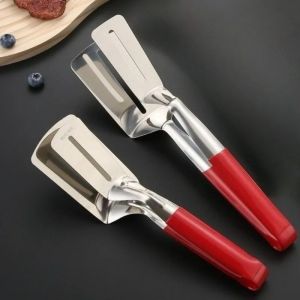
Kitchen Tools Stainless Steel Barbecue Clip Fish Frying Shovel Anti Scalding Handle Barbecue Pliers Multifunctional Food Tongs
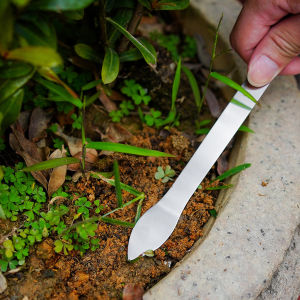
Amoki【มีสินค้าในสต๊อก】 Stainless Steel Gardening Rake Weeding Uprooting Tool Dual Purpose Shovel 1 Piece

Magnetic Mosquito Coil Holder Stand Incense Ash Tray Base Hanging Style Metal Material Simple Design Home Use Mosquito Repellent Bracket
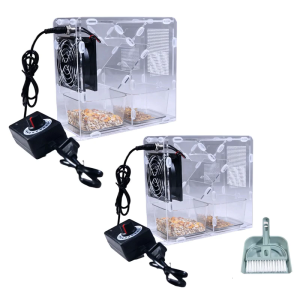
Acrylic Bird Shell Splitters Adjustable Speed Controller for Parrots Millets Grains Rice Shell Split
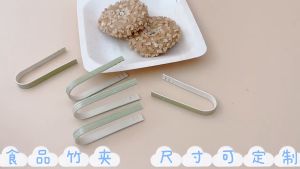
50pcs 10cm Disposable Bread Bamboo Tongs Toast Cooking Tongs Natural Bamboo Tweezers
Original 10M/15M/20M High Pressure Washer Hose Car Wash Water Cleaning Extension Hose Water Hose for Karcher K2/K3/K4
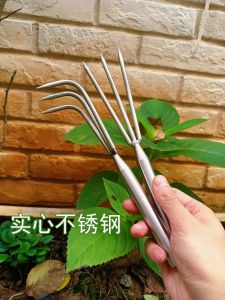
Thickened Stainless Steel Three-Pronged Gardening Fork: A Must-Have Tool
Garden Sprinkler Lawn Sprinkler Aut0 matic 360 Degree Rotating Irrigation Sprinkler System Garden
Pack of 8 (2 Clips) Hanging Vertical Flower Pot Plastic Wall Pots for Home Gardening (Black/White)