



Hexazinone Weed Killer: Herbicide for Various Plants & Permanent Grass Control
Hexazinone Weed Killer: Herbicide for Various Plants & Permanent Grass Control
Hexazinone weed killer is a powerful herbicide that effectively controls unwanted vegetation in gardens, forests, and agricultural areas. This comprehensive guide will help you understand the key features and benefits of hexazinone weed killer, how to use it safely, and compare it with other herbicides available in the market.
What is Hexazinone Weed Killer?
Hexazinone weed killer is a broad-spectrum herbicide that targets a wide range of weeds, including annual and perennial grasses, broadleaf weeds, and woody plants. It works by inhibiting photosynthesis in the plant, leading to its death. Hexazinone is known for its effectiveness against large trees, bamboo, weeds, and shrubs, making it a popular choice among gardeners and farmers.
Key Features & Benefits
Hexazinone weed killer has several advantages over other herbicides:
- Effectiveness: Hexazinone is highly effective in controlling a wide range of weeds, including those resistant to other herbicides.
- Long-lasting: Once applied, hexazinone can remain active in the soil for up to two years, providing long-term weed control.
- Safe for desired plants: When used correctly, hexazinone does not harm desired plants, making it ideal for use in gardens and orchards.
- Environmentally friendly: Hexazinone breaks down quickly in the soil, reducing its impact on the environment.
Suitable for Large Trees, Bamboo, Weeds, & Shrubs
Hexazinone weed killer is effective against a wide range of plants, including large trees, bamboo, weeds, and shrubs. It is particularly useful for controlling invasive species and preventing the spread of unwanted vegetation.
How to Use Hexazinone Weed Killer
To achieve optimal results when using hexazinone weed killer, follow these application methods and techniques:
- Application methods: Hexazinone can be applied as a foliar spray, soil drench, or injected into the trunk of trees.
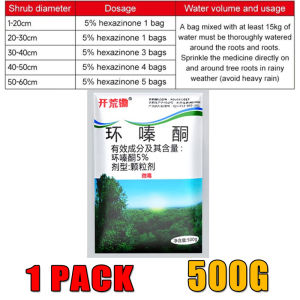
- Dosage: Follow the manufacturer's instructions for dosage rates, which vary depending on the target plant and application method.
- Timing: Apply hexazinone during the active growing season for best results.
Safety Precautions & Storage
When using hexazinone weed killer, take the following safety precautions:
- Wear protective clothing, including gloves, long sleeves, and pants.
- Avoid contact with skin and eyes.
- Store hexazinone in a cool, dry place, away from children and pets.
Herbicide Alternatives for Weed Control
While hexazinone weed killer is highly effective, there are several alternatives available for weed control:
- Glyphosate: A non-selective herbicide that controls a wide range of weeds.
- Triclopyr: A selective herbicide that targets woody plants and broadleaf weeds.
- Fluazifop-p-butyl: A selective herbicide that controls grassy weeds.
Comparing Hexazinone with Other Herbicides
When comparing hexazinone weed killer with other herbicides, consider the following factors:
- Effectiveness: Hexazinone is highly effective against a wide range of weeds, including those resistant to other herbicides.
- Selectivity: Hexazinone is non-selective, meaning it can harm desired plants if not used correctly.
- Environmental impact: Hexazinone breaks down quickly in the soil, reducing its impact on the environment.
Choosing the Best Herbicide for Your Garden
Select the best herbicide for your garden by considering the type of weeds you want to control, the target plants, and the environmental impact.
Conclusion
Hexazinone weed killer is a powerful herbicide that effectively controls a wide range of weeds, making it a popular choice among gardeners and farmers. By understanding its key features and benefits, how to use it safely, and comparing it with other herbicides, you can choose the best herbicide for your garden and achieve optimal weed control.

MINKING
You May Also Like
![[Dale Dephne] 1Pc New Stainless Steel Root Rake Bonsai Potted Plants 3-Prong Loosen Soil Tool Handheld Rustproof Rake Home Gardening Tool](https://img.lazcdn.com/g/p/66a5e013a7143ffca7cc92b9dc9d8562.jpg_300x300q80.jpg)
[Dale Dephne] 1Pc New Stainless Steel Root Rake Bonsai Potted Plants 3-Prong Loosen Soil Tool Handheld Rustproof Rake Home Gardening Tool
![[selected]10pcs Stainless BBQ Skewer Needle Flat Long 9-shaped BBQ Sticks Kabob Camping Kitchen Party Supplies](https://img.lazcdn.com/g/ff/kf/Sef8db67b82564ebca583bc5fae9ca670r.jpg_300x300q80.jpg)
[selected]10pcs Stainless BBQ Skewer Needle Flat Long 9-shaped BBQ Sticks Kabob Camping Kitchen Party Supplies
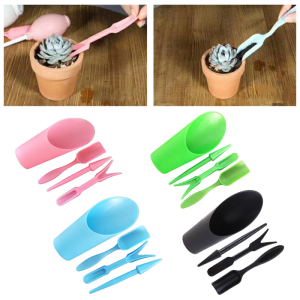
4Pcs Garden Planter Kit DIY Sowing Shovel Scoop Bucket Spoon Succulents Seedlings Tool Bonsai Fertilizer Drilling Device
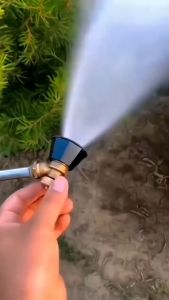
High Pressure Sprinkler & Adjustable Sprayer for Agriculture

Submersible Water Pump Hose Discharge Duct Flat Blue PVC Hose
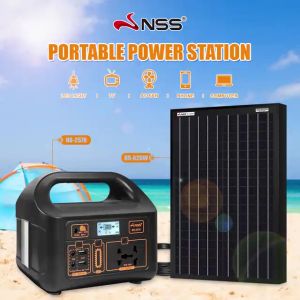
NSS 3IN1 Solar Power Station: A Comprehensive Guide
SeedsPLAZA™ - Kangkong Seeds for Planting Vegetable Plants (50 Seed) + Instructions for Ling-Ling Water Spinach F1
40 Liters IPA Siksik– 1 Sako | Organic Soil Amendment – Ready to Ship"

MADRE DE AGUA PLANT Seeds Bundle - 5+2 High-Quality Ideal for Outdoor & Garden
2 Inch Aluminum Sprinkler JL-40PY2H 1.5mm Triangle Bracket: A Comprehensive Guide
Tuya Smart Automatic Drops Controller Smart Garden Automatic Water Water System
![BUNNY POOP**** All-Natural Eco-friendly*** Made from 100% Dried Rabbit Manure [2-liters]](https://img.lazcdn.com/g/ff/kf/Se4ff9b554e9e4ebfbdd26446064d59bbQ.png_300x300q80.png)