

This practical guide focuses on “Umbrella or raincoat for everyday walking: choose around what you carry”. Use the actual occasion, routine, people involved and available space as the starting point. Check what you already own before making a shortlist. A new purchase is one possible answer, not the automatic answer. Write down the gap you need to close and the details that would make an option genuinely useful after the first use.
Start with the real situation
This guide helps you choose an umbrella, a rain layer or existing suitable equipment for ordinary walking between home, public transport and everyday destinations. Start with what needs carrying, whether a hand must stay available, the packed size that fits the actual bag and where a wet item can be put on arrival. Compare opening and closing, trying the garment over normal clothes, actual coverage described by the maker and removing it without blocking others. Separate a rain garment from a backpack cover and an umbrella holder; extra accessories are not automatically necessary. Retain equipment already owned when it serves the routine. This is not motorcycle or cycling rainwear, a hiking jacket ranking, severe-weather travel advice, child-use guidance or a live weather report. Do not promise waterproofing, wind resistance, visibility, protection in lightning or floodwater, or advise continuing a trip when conditions are unsafe; check current local advisories and use a sheltered alternative. No current offers, temperatures, sales growth or product performance facts are asserted.
Compare the details that matter
Turn the situation into a few non-negotiable criteria. Separate must-haves from preferences, note dimensions or fit where relevant, and think through setup, carrying, cleaning, storage and repeat use. Compare the whole routine rather than one feature or a broad marketing label. This keeps the decision tied to the topic and makes trade-offs easier to see.
Build a practical shortlist
Use the relevant search terms to discover options, then narrow them with the criteria above. Keep two or three plausible choices and record the exact model or variant, dimensions, colour, included pieces and any care or setup information. Similar-looking listings may describe different packages, so compare like with like and avoid adding accessories that do not solve the original need.
Read listings with care
Useful discovery terms for this topic include “umbrella”, “raincoat”. Read the complete listing rather than relying on the thumbnail or headline. Product names can be broad, and images may show accessories or usage scenes that are not included. Verify the variation selector, seller description, specifications, maker guidance and checkout details on the live page. Recheck current price, availability, delivery and return information because these details can change.
Limits, safety and sensible assumptions
Do not infer quality, safety, durability, authenticity or performance from superlatives, ratings, price or appearance alone. Follow the boundaries in the topic and avoid uses the maker does not describe. If the situation calls for medical, legal, professional or emergency guidance, use an appropriate source instead of a shopping article. No live stock, discount, delivery or performance promise is made here.
Product examples and what to verify
A current product example to compare
Each card is a current catalog example, not a ranking. Verify the exact variant, dimensions, package contents, model instructions and checkout details.
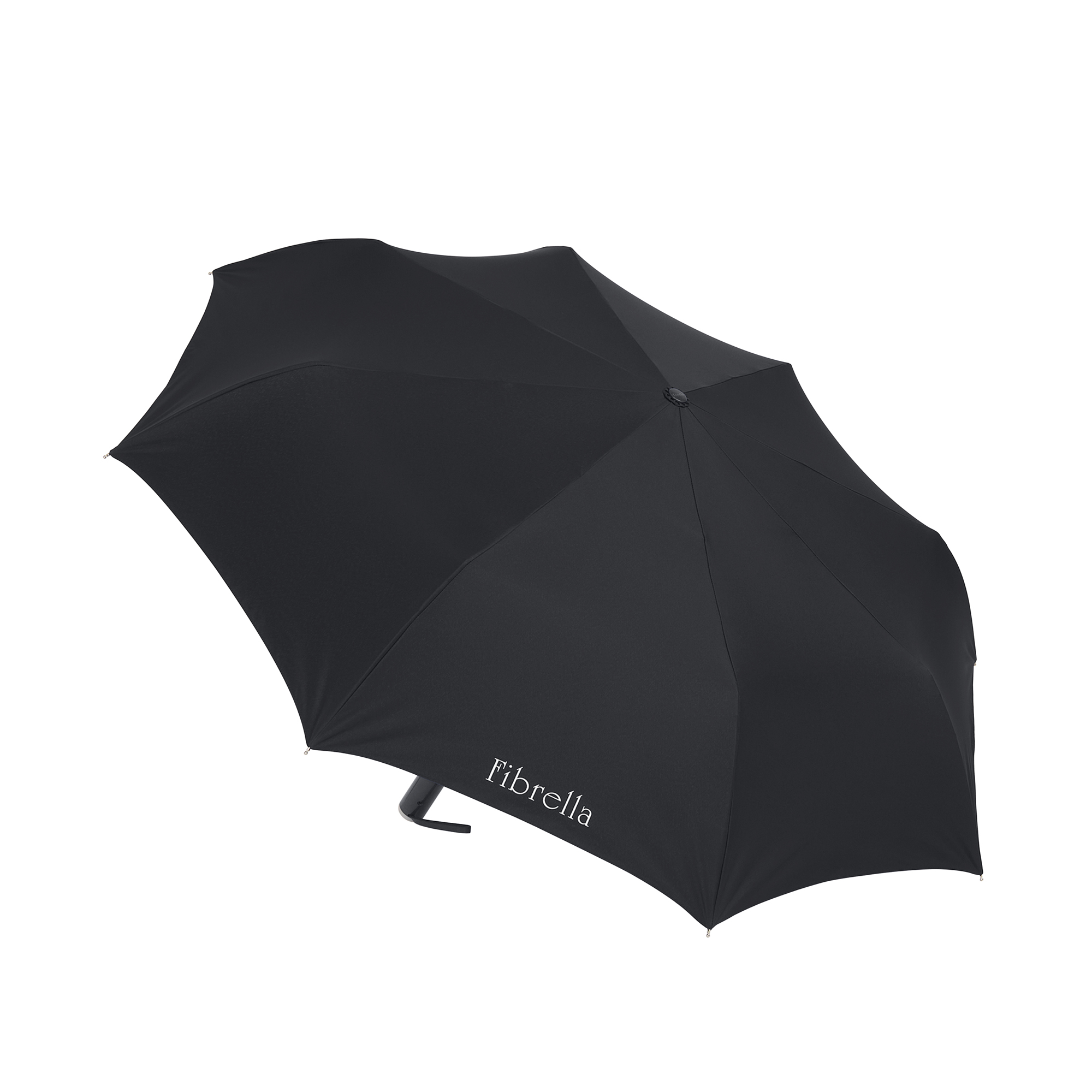
Browse more current options
Catalog pages help compare current listings and are not endorsements of every result. umbrella; raincoat
A short final check
Before checkout, return to the original need and confirm that the exact variant, measurements, package contents and care or setup requirements still fit. Save the model you compared and buy only if it closes a real gap. If an item already owned works well enough, keeping it is also a valid decision.


