

This practical guide focuses on “Choosing a blender for everyday kitchen preparation”. Use the actual occasion, routine, people involved and available space as the starting point. Check what you already own before making a shortlist. A new purchase is one possible answer, not the automatic answer. Write down the gap you need to close and the details that would make an option genuinely useful after the first use.
Start with the real situation
This guide helps you choose a household blender for the ordinary ingredients and batch sizes they intend to prepare. Compare the exact jar capacity and permitted working limits, counter and storage dimensions, control layout, pouring arrangement, and access to maker-designated removable parts. Check whether the package includes a complete matching base and jar or only a replacement vessel, grinder attachment or spare component. Distinguish a jug blender from a chopper, grinder and portable drinking cup without assuming all perform the same jobs. Check manufacturer permissions for hot contents, ice, dry ingredients and cleaning rather than treating motor wattage or material names as proof of capability. Do not provide blade handling, bypass, repair or unapproved-use instructions, nutrition promises or infant-feeding advice. The scope remains an everyday selection/preparation guide. No current promotion, sales ranking, price, delivery, legal entitlement, weather assertion or SKU-specific performance fact is established by the trend source.
Compare the details that matter
Turn the situation into a few non-negotiable criteria. Separate must-haves from preferences, note dimensions or fit where relevant, and think through setup, carrying, cleaning, storage and repeat use. Compare the whole routine rather than one feature or a broad marketing label. This keeps the decision tied to the topic and makes trade-offs easier to see.
Build a practical shortlist
Use the relevant search terms to discover options, then narrow them with the criteria above. Keep two or three plausible choices and record the exact model or variant, dimensions, colour, included pieces and any care or setup information. Similar-looking listings may describe different packages, so compare like with like and avoid adding accessories that do not solve the original need.
Read listings with care
Useful discovery terms for this topic include “blender”. Read the complete listing rather than relying on the thumbnail or headline. Product names can be broad, and images may show accessories or usage scenes that are not included. Verify the variation selector, seller description, specifications, maker guidance and checkout details on the live page. Recheck current price, availability, delivery and return information because these details can change.
Limits, safety and sensible assumptions
Do not infer quality, safety, durability, authenticity or performance from superlatives, ratings, price or appearance alone. Follow the boundaries in the topic and avoid uses the maker does not describe. If the situation calls for medical, legal, professional or emergency guidance, use an appropriate source instead of a shopping article. No live stock, discount, delivery or performance promise is made here.
Product examples and what to verify
A current product example to compare
Each card is a current catalog example, not a ranking. Verify the exact variant, dimensions, package contents, model instructions and checkout details.
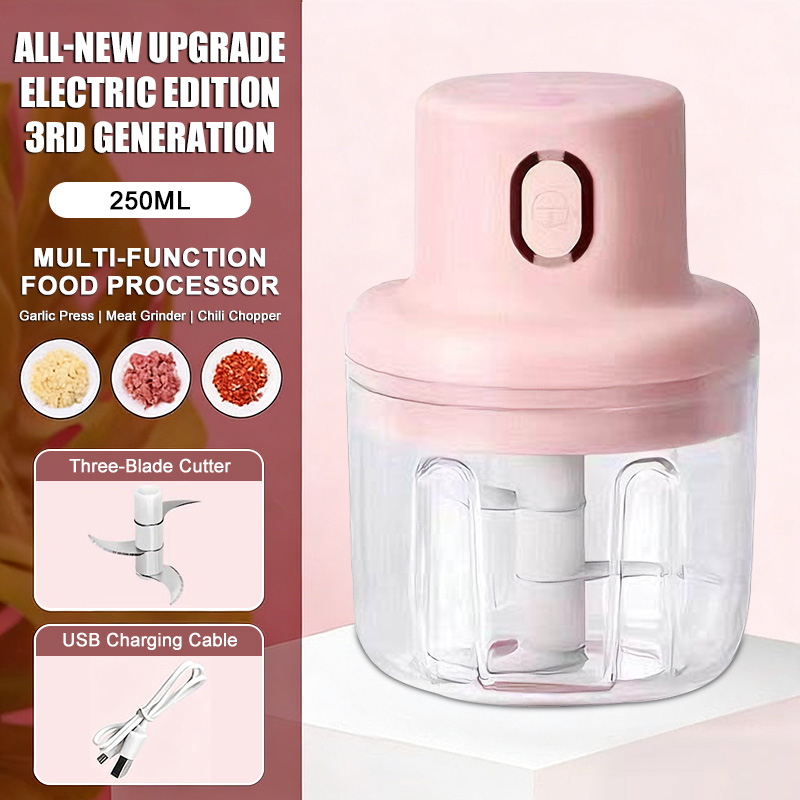
Browse more current options
Catalog pages help compare current listings and are not endorsements of every result. blender
A short final check
Before checkout, return to the original need and confirm that the exact variant, measurements, package contents and care or setup requirements still fit. Save the model you compared and buy only if it closes a real gap. If an item already owned works well enough, keeping it is also a valid decision.


