


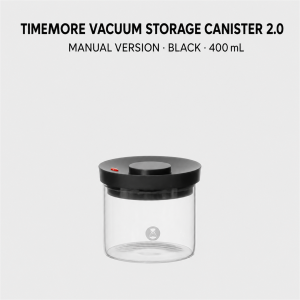
Timemore | TIMEMORE Vacuum Storage Canister Manual Glass Sealed Canister Coffee Jar With One-Way Air Valve For CoffeeTea 400/800/1200ml
TIMEMORE | MANUAL VACUUM STORAGEVacuum Storage Canister 2.0Manual Press Borosilicate Glass Coffee Bean Jar with One-Way Air ValveFor coffee, tea, nuts and dry goods | Black | 400 / 800 / 1200 mLA BETTER HOME FOR EVERY BEANThoughtful Storage, Made Refreshingly SimpleA clean coffee counter is about more than appearances. This manually operated canister helps reduce air exposure without cords or batteries, while its clear glass body keeps your daily coffee ritual beautifully organized.01 | PRODUCT HIGHLIGHTSDesigned for Better Storage Rituals01FRESHNESS WITHOUT CORDSA few firm presses on the center pump remove part of the air to create a practical low-pressure seal. It is quiet, battery-free and easy to work into a daily coffee routine.02MADE FOR COFFEE'S NATURAL RHYTHMFreshly roasted beans naturally release CO2. Check the seal every few days during approximately the first 15 days and press the pump again whenever needed.03CLEAR GLASS THAT EARNS ITS COUNTER SPACEThe 3 mm borosilicate glass body pairs a clean, transparent finish with a black ABS lid and food-contact silicone sealing ring for a calm, modern countertop look.04A WIDE OPENING FOR REAL COFFEE SCOOPSThe generous 10 cm opening makes the canister easy to fill, scoop from and clean. Press the small red release button before removing the lid.05THREE SIZES FOR DIFFERENT BREWING ROUTINESChoose 400, 800 or 1200 mL for whole coffee beans, loose-leaf tea, nuts, snacks and other dry goods.CO2FRESHLY ROASTED COFFEE NOTICECO2 Release Is NormalFreshly roasted coffee beans continue to release carbon dioxide while degassing. For approximately the first 15 days, check the seal every few days and re-pump as needed. The center pump may rise or the seal may weaken as gas accumulates. This is normal coffee behavior and is not a quality defect.02 | SIZE GUIDEChoose Your Brewing Rhythm400 mLApprox. 140 g800 mLApprox. 260 g1200 mLApprox. 400 gApproximate whole-bean capacity only. Actual capacity varies with bean size, density, origin and roast level.IMPORTANT GLASS SAFETY NOTICEAlways Hold the Glass BodyNever lift, carry or twist the canister by the lid.The glass body may separate and fall, creating a risk of breakage and injury. Keep a secure grip on the glass body at all times. This product is not a toy. Keep it out of reach of children and do not allow children to play with it.03 | COMPLETE FAQEverything to Know Before You StorePractical answers for coffee care, cleaning, sealing and safe handling.Q1Why did the vacuum weaken after I added freshly roasted coffee beans?Freshly roasted beans naturally release carbon dioxide, especially during the early degassing period and with darker roasts. Gas buildup can raise the center pump or weaken the seal. For approximately the first 15 days, check the canister every few days and press the pump again when needed. This behavior is normal and is not a quality defect.Q2Does this canister create a complete vacuum?No. Manual pressing removes part of the air and creates a partial vacuum, or low-pressure storage environment. It is not designed to produce a complete or laboratory-grade vacuum.Q3How do I create the vacuum seal?Place the lid securely on the glass body, then repeatedly press the center pump. Continue until the pump becomes noticeably firm and difficult to press down.Q4How do I open the canister?Press the small red release button to allow air back into the canister. Once the pressure has equalized, hold the glass body securely and remove the lid normally.Q5How often should I check and restore the vacuum?For freshly roasted coffee, check every few days during approximately the first two weeks. For other dry goods or longer storage, inspect the seal periodically and re-pump whenever the center pump has risen or become easy to press. A small amount of air may gradually enter because of the pressure difference between the inside and outside.Q6Can the lid be washed under running water?No. Do not rinse, soak or place the lid in a dishwasher. Water may enter and block the internal air channel, reducing sealing performance and making the lid difficult to dry. Wipe the lid with a clean, damp cloth. The glass body may be rinsed separately.Q7Can I store ground coffee or other powders?Yes, for dry powders, but keep fine particles away from the lid, pump, valve and sealing ring. Residue in these areas may reduce sealing performance. Do not store the canister upside down for extended periods.Q8Is it suitable for moist or perishable foods?The canister is best suited to dry goods. A partial vacuum does not replace refrigeration, dehydration, sterilization or another appropriate preservation method. It cannot prevent every type of bacterial growth, enzymatic reaction, discoloration or spoilage in high-moisture foods.Q9Why are there tiny bubbles in the glass?Small air bubbles may occasionally appear in the glass during manufacturing. They are a natural result of the glass-forming process and are not a quality defect.Q10How should I lift and handle the glass canister safely?Always support and lift the canister by the glass body. Never lift, carry or twist it by the lid, because the body may separate, fall and break, creating a risk of injury. Keep a firm grip on the glass body at all times. This product is not a toy. Keep it out of reach of children and do not allow children to play with it.Q11How much whole-bean coffee will each size hold?Approximate capacities are 140 g for 400 mL, 260 g for 800 mL and 400 g for 1200 mL. The actual amount varies with bean size, density, origin and roast level.MANUAL CARE • THOUGHTFUL STORAGE • BETTER COFFEE ROUTINES

Prime Supply_Play Life
Review

You May Also Like
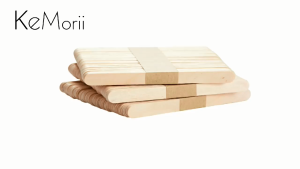
Wooden ice trays with popsicle sticks stacked for making frozen treats (Approx 50pcs)
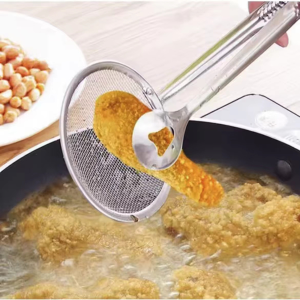
304 stainless steel 2 in 1 Fine Mesh Strainer Oil-Frying Filter Spoon Ladle Colander Clip Skimmer For Fried Food

NEXASHOP Wood Handle Dish Rack Modern Style Multifunctional Tableware Storage Basket Heavy Duty Removable Tray Drain Basket Kitchen Countertop Storage
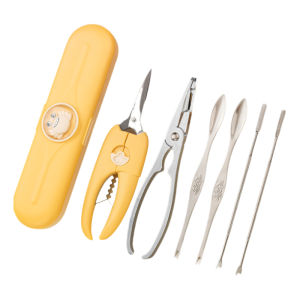
KAULUS | Specialized Eating Tools for Crabs Crab Eating Kit
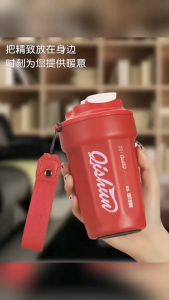
304 Stainless Steel Mug – 400ml Hot & Cold Insulated Tumbler

Magic photo 710ml Double Wall Fish Scale Tumbler With Straw
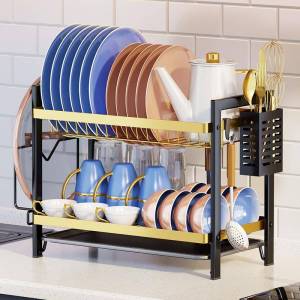
DIHUANTUO | Double Layer Dish Rack for Drainage and Storage

FEU (Far Eastern University) High Quality Mugs
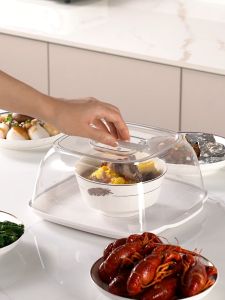
LOCAUPIN 3 Layer Food Cover Insulation Food Storage Anti-Flies Dish Cover Stackable Transparent Food Keeper For Table
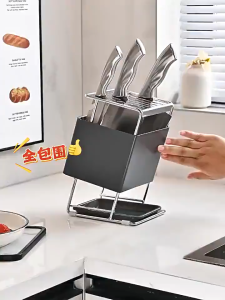
304 stainless steel knife holder storage rack countertops wall mounted knife holder storage rack

[COD] AqToCna Ship within 24 hours Cooking Kitchen Aprons Breathable Wear Resistant Adult Waist Aprons Anti Fouling Soft Restaurant Work Clothes Home