


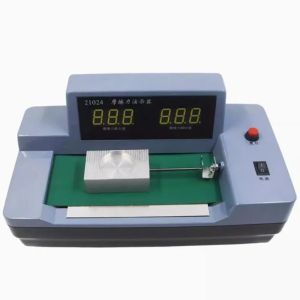
btnx Experimental teaching tools physics mechanics experimental equipment 21024 digital display friction demonstration 2Z6B7
Description:1. By utilizing force sensing technology and digital circuits, the abstract process of frictional force changes can be visually and digitally displayed. During the demonstration experiment, students were able to observe the changes in friction force from the digital panel.2. Solved the shortcomings of other demonstrators in exploring static friction problems, and can intuitively reflect the process of changes in static friction between objects.3. The measurement and digital display unit is powered by 4 AA batteries (Not Included!), and the experimental power is manually shaken.4. The structural design is compact, the appearance is concise and beautiful, it is easy to use, and the experimental effect is good.Specifications:Product Name: Digital Display Friction DemonstratorProduct Model: 21024Product Material: Plastic Frame+Electronic Component PartsBattery: 4x AA Batteries (Not Included!)Product Weight: 1870GAluminum Block Size: 75x45x25MMAluminum Block Hole Diameter: 40mmAluminum Block Hole Depth: 6MMProduct Size: 325x165x170MMApplication: Analysis of the Gradual Process from Static Friction to Sliding FrictioHow to use it:1. Place this demonstrator on a horizontal tabletop, connect the friction block (note: do not apply tension to the hook when placing the friction block, ensure that the internal force sensor is not affected by the friction block at this time), turn on the power, and then reset to zero.2. Rotate the hand crank clockwise and slowly shake it to drive the conveyor belt, creating a motion trend between the friction block and the conveyor belt, thereby generating static friction force. As the motion trend strengthens, the static friction force gradually increases until relative motion occurs between the friction block and the conveyor belt. The magnitude of the static friction force during this process can be visually displayed through the instantaneous value digital panel, and the maximum friction force indicator window records the maximum static friction force of the process (note: due to the influence of the process joint of the conveyor belt on the friction coefficient, this part should be avoided when conducting static friction experiments).3. After relative motion occurs between the friction block and the conveyor belt, the sliding friction force can be reflected through the instantaneous value digital panel, and compared with the maximum static friction force, it is relatively easy to conclude that the maximum static friction force is slightly greater than the sliding friction force.4. By changing the speed of the conveyor belt and observing the changes in friction, it can be explored that the magnitude of sliding friction is independent of the relative speed of motion.5. On the premise of ensuring a certain roughness of the contact surface, the experimental friction blocks are placed flat and on the side respectively, and only the contact area is changed. By repeating the experiment, it can be explored that the magnitude of sliding friction force is independent of the contact area.6. On the premise of ensuring a certain roughness of the contact surface, by adding weights to the friction block to increase the positive pressure between the friction block and the conveyor belt, it can be explored that the greater the pressure, the greater the sliding friction force.7. Under the premise of constant positive pressure, changing the roughness of the contact surface between the friction block and the conveyor belt can explore the relationship between the magnitude of sliding friction force and the roughness of the contact surface. In order to facilitate the experiment of changing the roughness, this instrument has specially treated one surface of the friction block, making its roughness significantly greater than other surfaces, and machined a circular groove on it for easy placement of weights to change the weight of the friction block.

btnx
Review

You May Also Like
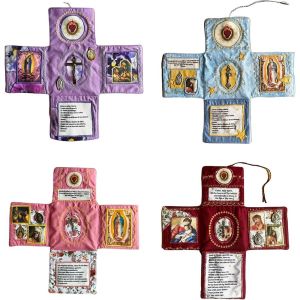
NAELIN Sewing Accessories Handcrafted Pocket Devotional Cross Included Inside Faith Edition Sewing Pocket Devotional Portable with Cross Saint Images Prayers Mini Scripture Prayer Pocket Cross for Sewing and Quilting
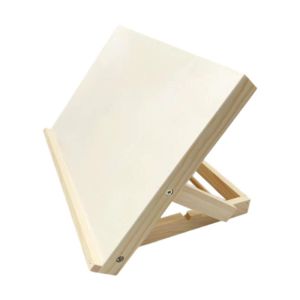
BETTERFORM Foldable Tabletop Easel Lightweight Adjustable Sketching Painting Board Art Supply Wood Drawing Easel Students Artist
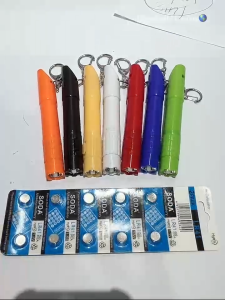
D002 3in1 Multifunctional 3in1 LED Flashlight Whistle Ballpen with Keychain Lock Hook Whistle Ballpen
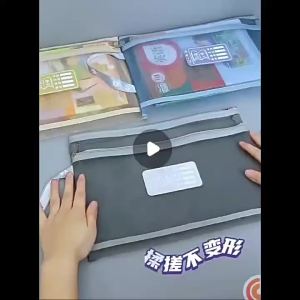
A4 File Storage Bag Zipper Style Double-layer Mesh Storage Bag Large Capacity Student Stationery Storage Bag Transparent Folder
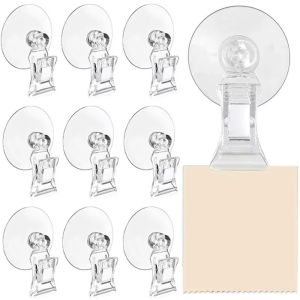
JAYQQ Plastic Suction Cup Clip 360° Rotatable Clear POP Display Clip Multi-Purpose Retail Sign Clip Supermarket
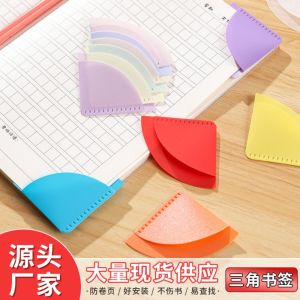
MARINI 6pcs Fan-Shaped Bookmarks Multi-Function Anti-Curl Book Page Clips Simple PP Page Corner Protector Gift

CUYI A4 & A3 Size Dark Transfer Paper - 20 sheets per pack
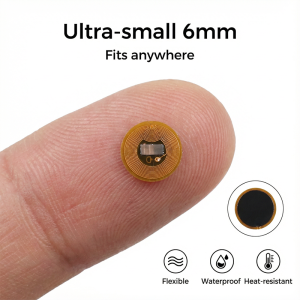
Diameter 6mm NXP NTAG213 NFC Tags Programmable RFID Stickers Round Waterproof Flexible FPC NFC Labels for Phones Wearables
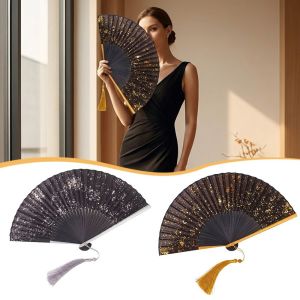
MINIFELE 262 Gold Silver Folded Fan 6inch with Tassel Chinese Retro Fan Portable Bamboo Frame Hand Hold Fan Gift
LOOLIFL | LOOLIFL 502 Super Glue Fast Drying Instant Adhesive High Strength Clear Glue for Plastic Metal Ceramic Glass Repair DIY Craft

48PCS CUSTOM BUBBLE HEAD MAGNET YOUR PHOTO YOUR SOUVENIR! (Machine Cut)