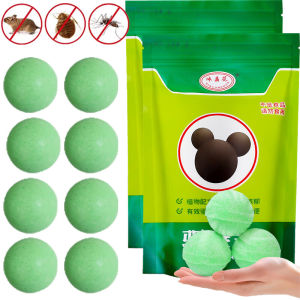



FPJ for plants trees & soil 1L
What is Fermented Plant Juice?Fermented Plant Juice (FPJ) is a natural fertilizer and growth stimulant used widely in Korean Natural Farming (KNF) and organic agriculture. It is essentially a nutritional powerhouse made by fermenting fast-growing plants and herbs with brown sugar.Through osmotic pressure and fermentation, the beneficial nutrients, enzymes, vitamins, and indigenous microorganisms (IMOs) are extracted from the plants, creating a liquid that helps boost plant health, immunity, and growth rates.Here is a breakdown of how it works, how it’s made, and how it's used:How It WorksWhen you mix fresh plant matter with brown sugar, a process called osmosis draws the sap and cellular fluids out of the plant. The sugar also acts as a food source for lactic acid bacteria and yeast naturally present on the plant leaves. These microbes ferment the liquid, breaking down the nutrients into a highly bioavailable form that crops can easily absorb.Using Fermented Plant Juice (FPJ) is all about capturing the vitality of young, fast-growing plants and passing that energy directly to your crops. Because it is packed with active growth hormones, vitamins, and beneficial enzymes, it acts as a powerful natural health tonic.Here is the practical guide on how to dilute, apply, and time your FPJ applications for the best results.1. Dilution Rates (The Golden Ratio)Like all inputs in Korean Natural Farming (KNF), FPJ is highly concentrated. A small amount goes an incredibly long way.Standard Maintenance Rate (1:1000): Mix 1 mL of FPJ per 1 Liter of water (roughly 1 teaspoon per gallon). This is the standard, safest rate for weekly maintenance and regular watering.Intensive Growth Rate (1:500): Mix 2 mL of FPJ per 1 Liter of water (roughly 2 teaspoons per gallon). Use this when plants are recovering from stress, weather damage, or during a period of rapid vegetative growth.Important: Always use unchlorinated water (like rainwater, well water, or tap water that has sat out for 24 hours to outgas). Chlorine will kill the beneficial microbes and live enzymes present in your FPJ.2. Application MethodsMethod A: Foliar Spray (Best Results)Plants absorb nutrients and growth hormones exceptionally fast through their leaves. Foliar feeding allows the plant to utilize the enzymes in FPJ almost immediately.How to do it: Use a fine-mist sprayer to coat the leaves thoroughly. Make sure to spray the undersides of the leaves, as that is where the majority of the plant's stomata (pores) are located.Best Time: Spray in the early morning (around sunrise) or late afternoon (just before sunset). The stomata are widest open during these cooler hours, and you avoid the risk of the sun magnifying through the water droplets and burning the leaves.Method B: Soil DrenchSoil drenching focuses on building up the soil health and feeding the biology around the root zone.How to do it: Pour the diluted FPJ mixture directly onto the soil or growing substrate.

SCT Agricultural Products Wholesaling

Review

You May Also Like
16L 5L/8L Pressure Sprayer Compressed Air Spray Garden Sprayer Pump Hand Pressure Watering Spray Garden I
Soil Turning Hoe Triangle Hoe Garden Tool for Weeding Planting,Digging Soil Leveling

Solar-powered mosquito killer lamp for home use outdoor yard mosquito trap stainless steel mosquito catcher hand-held
btnx Muffler Exhaust For Stihl MS341 MS361 MS 341 361 Chainsaw Replacement Parts 1135 140 0650 9T1N6
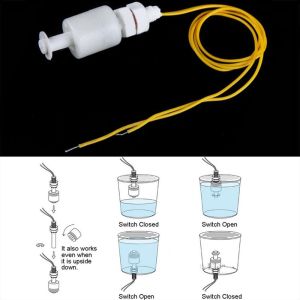
STRONGI Promotion Electric Down Tank High Quality Pool Liquid Sensor Water Level Float Switch

Garden Pruning Shears Set Flower Fruit Tree Garden Shears Stainless Steel Scissors Garden Tools
Pressure Washer Heavy Duty Portable Cordless Pressure Washer Spray Gun Lithium Battery Charge Car Washing For Motorcycle Electric Tool Car Washer High Pressure 220v With Foam Car Washer Machine Portable Made In Japan Original Rechargable
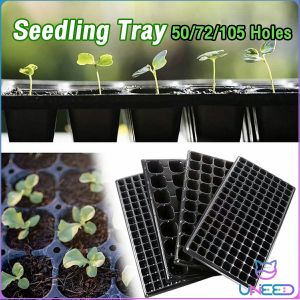
Need. Seedling Tray 50/72/105 Holes Garden Trays Strength Seed Germination Plant Flower

16PCS Jigsaw blades Reciprocating Fitting Curve Cutting Plastic Wood Metal Saw Blades
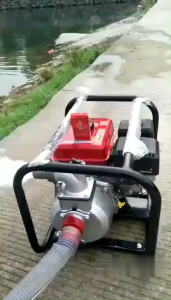
Pull Starter Red Recoil Cover For Honda GX390 13HP Generator Lawnmower Engine Accessories
Plant Rooting Liquid Fast Root Enhancer Fertilizer Liquid Nutrient Supplement for Plant Cuttings Transplant Rose Succulents Care