


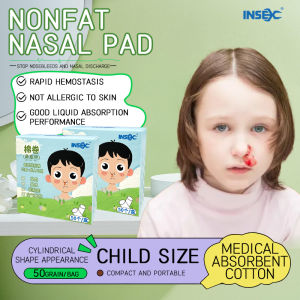
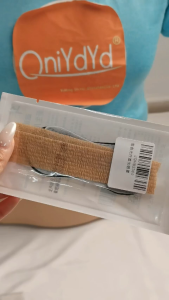
Nose Hemostatic Cotton Ball Dry Nose Bleeding Cotton Roll Cotton Swab Nosebleeds Hemostatic Cotton Children Adults
Core Functional PrinciplesNasal hemostasis primarily relies on physical compression and coagulation activation:Compression Hemostasis: The packing material expands to press against the lateral nasal wall, directly compressing the bleeding vessel and arresting blood flow.Supportive Function: Maintains structural stability within the nasal cavity, preventing dislodgement of clots caused by sneezing or nose blowing.Carrier Function: Some products are pre-impregnated with ephedrine (to constrict blood vessels) or thrombin (to accelerate clotting), providing adjunctive hemostatic support.Usage ScenariosHome First Aid: If a nosebleed does not stop after 10–15 minutes of applying pressure to the nasal alae, a specialized nasal hemostatic sponge (not regular cotton) may be inserted into the bleeding nostril.Medical Management: Used for nasal bone fractures, post-nasal surgery, or intractable epistaxis caused by hypertension or coagulation disorders.Important PrecautionsDo Not Use Regular Cotton/Tissue: Fibers from ordinary cotton or tissue can adhere to the nasal mucosa. Upon removal, these fibers may tear away newly formed clots, causing rebleeding. Retained fibers can also lead to nasal infection, rhinolith formation, or ozena (foul odor).Retention Time:Expandable Sponge / Vaseline Gauze: Typically left in place for 24 to 72 hours. Removal must be performed by a physician. Do not pull it out forcefully on your own.Biodegradable Materials: Follow medical instructions; these usually do not require removal or dissolve spontaneously.Removal Risks: Removing packing material without professional guidance may trigger a vagal reflex (dizziness, palpitations, sudden drop in blood pressure) or result in significant rebleeding. For expandable sponges in particular, removal requires thorough moistening with saline to soften the material.Complication Warning: If after packing you experience severe headache, orbital pressure or pain, blurred vision, or fever, this may indicate hypoxia due to overly tight packing or a sinonasal–intracranial complication. Seek immediate medical attention.

Prime Supply_ChicEdit
Review

You May Also Like
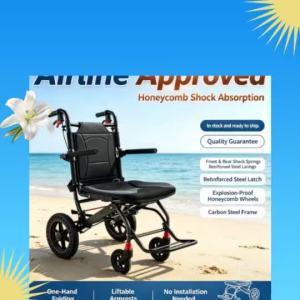
Upgraded Ergonomic Carbon Fiber Wheelchair 10kg Ultra Light 120kg Load 12-inch Puncture-proof Honeycomb Wheel Quick Foldable Mobility Chair With Trolley Pull Rod Breath Cushion For Elder Travel Rehabilitation
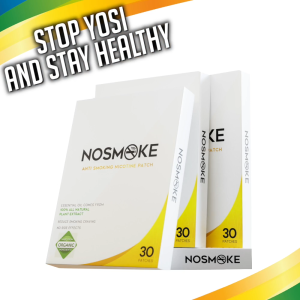
NoSmoke Patch – 1 Box (30 patches) 1 Sachet (5 patches) – Smoking Cessation Aid | Reduce Cravings & Withdrawal | Support Behavioral Change | Nicotine Transdermal Patch for Gradual Quitting
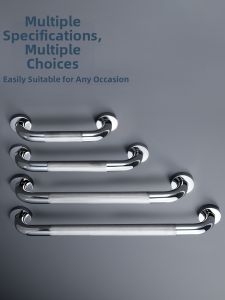
YUESHIYI | Non-slip Elderly Safe Bathroom Handle 304 Stainless Steel Thickened
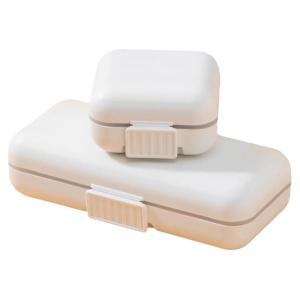
ANQIN | Portable Pill Organizer Medicine Box 7-Day

Pure Barley grass 30 sachets
Newborn Phototherapy Protective Eye Mask Baby Anti-Blue Light Sunproof Eye Cove Black Light Therapy Eye Mask

Salveo Barley Grass 100% Pure Organic Powder Made in Australia Bottle 500mg 120 Capsules Promotes Liver Health Fights Infection Good For The Heart Promotes Digestive Health Helps Treat Type 2 Diabetes Neutralizes Acidity Helps Treat Rheumatoid Arthritis
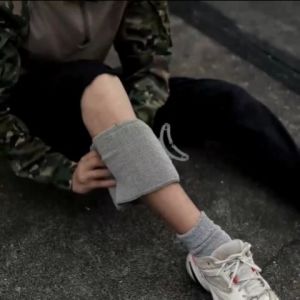
4/6/8inch Israeli bandage outdoor first aid hemostatic compression bandage portable tactical emergency training IFAK trauma military
Buy 5 Packs Sumifun Natural Diabetic Patch Lower Stabilizes Blood Balance Sugar Herbs Stickers/Plaster
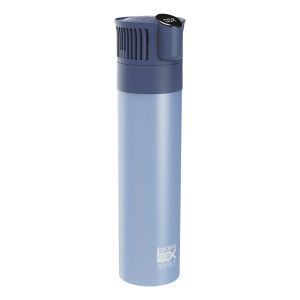
SECRETSBOX | Charging Portable Medical Cooler Insulin Refrigeration Box
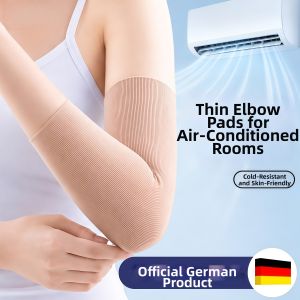
Breathable Elbow Protector for AC Rooms