


diymore | 22.5W Power Bank Module LiFePO4 3.65V/3.7V Lithium Battery PD QC SCP VOOC Fast Charging PCB DIY Charger Board with SW6236
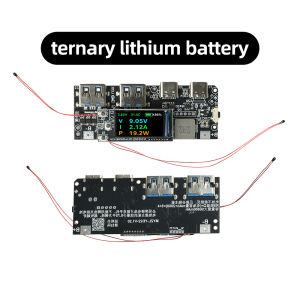
22.5W Power Bank Module LiFePO4 3.65V/3.7V Lithium Battery PD QC SCP VOOC Fast Charging PCB DIY Charger Board with SW6236Features1. Dual battery options: Lithium Iron Phosphate (3.65V) and Ternary Lithium (4.2V); customers can choose freely2. Multiple ports support charging of various devices; when multiple ports are used simultaneously, only 5V/4.2A is supported3. Integrated flashlight function and a low-current mode optimized for low-power devices, expanding practical application scenarios4. Comprehensive support for open protocols including QC, PD, FCP, SCP, and VOOC, ensuring excellent fast-charging compatibility5. Large-area mainboard with optimized heat dissipation structure; optional high-temperature startup fan (active cooling) or aluminum heat sink (passive cooling)6. Built-in battery temperature monitoring mechanism tracks temperature rise in real time, effectively extending cell cycle life7. Equipped with a color display that intuitively shows parameters such as voltage, current, power, and capacity, providing a clear and comprehensive overviewParameterProduct Type: 22.5W LFP/Li-ion Color Screen MainboardMain Control MCU: PY32F030F17U6TRPower Management IC: SW6236 Multi-Protocol Power Bank SOCBattery Type: 3.65V LFP / 4.2V Li-ionMaximum Output Power: 22.5W synchronous boostOutput Fast Charging Protocols: PPS/PD/SCP/FCP/QC/AFC/PE/BC1.2Display: 0.96-inch TFT color screen, ST7735, 80x160Button Controls: S1 Up/Decrease, S2 Confirm/Long Press to Return, S3 Down/IncreaseFan Interface: 5V 2-wire fanTemperature Control Thresholds: Fan turns on at 60°C, turns off at 55°CDefault Parameters: Battery Capacity 10,000mAhSoftware Version: FW V0.1.0, Microcontroller code open-sourceImportant Notes1. The wires connecting the external battery to the mainboard must be capable of handling 10A current. Use copper wire with a cross-sectional area of at least 1 mm²; for standard wire, use 1.5 mm². There is no need for excessively thick wire, but it must not be too thin either, as the current at the battery terminals is very high, and using too thin a wire poses a safety hazard.2. The mainboard comes with a built-in protection chip; do not add an additional protection board to the battery. If one is present, remove it and connect the battery cells directly to the mainboard.3. When testing the mainboard using alligator clips, do not charge a smartphone. If you need to charge a smartphone, you must solder the connections; alligator clips provide unstable contact, which can easily prevent fast charging, cause power interruptions and reboots, or even damage the mainboard.4. You may use 3.2V/3.65V lithium iron phosphate (LFP) batteries. Depending on the selected options, you may also use 3.7V/4.2V 18650, polymer, or ternary lithium batteries; high-capacity cells are also acceptable. Multiple cells must be connected in parallel only; do not connect them in series. Do not use disposable alkaline batteries, NiMH, lead-acid, or NiCd batteries. If the battery level display is inaccurate upon first power-up, simply discharge the battery completely and then recharge it fully.5. The mainboard must be preset with the battery capacity. The default preset is 10,000mAh; you can replace the resistor yourself later.Package includePower Bank Mainboard *1

Prime Supply_Play Life
Review

You May Also Like
SAMSUNG Mini Portable SSD 4TB/8TB/16TB Internal Solid State Driver High Speed Hard Drive for Laptop Projector Cell Phone
Circuitrocks Sound Recorder ISD1760 for Arduino Projects
5W Lab Power Supply 0.6V~25.6V Adjustable Voltage Regulator Auto Buck Boost Bench Switching Power Supply Portable Power Supply
Keytech BTS 450 | 450 Watts True Rated Brand New ATX Power Supply Unit | 550W ATX PSU

Microsoft Surface Pro 12 Platinum Copilot+ PC 12-inch Snapdragon X Plus 16GB Memory 256GB 512GB SSD
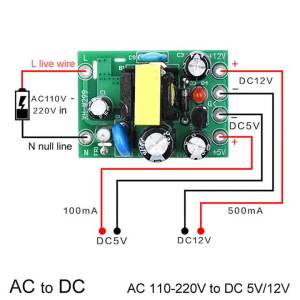
1pc AC-DC Power Supply Module 110V-220V to 5V 12V Dual Output Isolated Converter 100mA 500mA for Ardniuo DIY Projects XH-M299
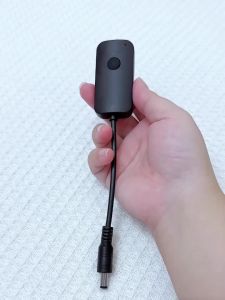
DC 9-12V Intelligent Router Automatic Restart Line Timed 24/48/72 Hours With Three Levels Of Adjustment WiFi Reset Router
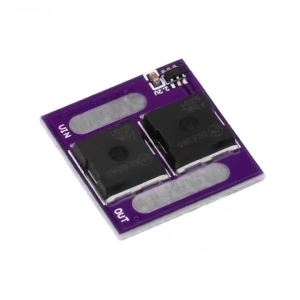
GAQQEE | 60A Voltage-Unrestricted Ideal Diode Module reverse Connection and Backfeed Protection Diode Battery Protection Module
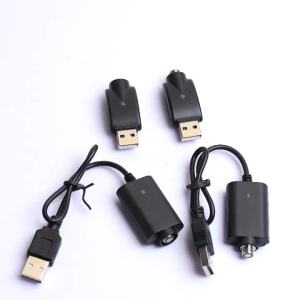
diymore | 510 Interface Smart Charger USB Charging Head With Overcharge Protection USB Charging Portable Adapter with LED Indicator
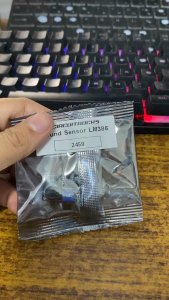
Circuitrocks Sound Sensor LM386 Arduino Compatible Projects for Raspberry Pi ESP32 STEM Robotics
diymore | DC 12V 5A 6-Channel 4-Wire PWM Fan Controller with Manual Temperature Control Digital RPM Display and SATA Power Connector