



Green House® - Saluyot Seeds for Planting Herbal Plants (+/-250 Seed) incl. Planting Instruction Vegetable Tugabang
Saluyot Leaves: Cleopatra’s Anti-aging SecretSaluyot, scientifically known as Corchorus olitorius, is a leafy green vegetable that belongs to the family Malvaceae. It is commonly grown and consumed in various parts of the world due to its nutritional value and health benefits. The plant is also known by other names such as jute mallow, Egyptian spinach, Jew's mallow, and molokhia.Description:The Saluyot plant is an annual herbaceous shrub that can reach a height of about 2 to 4 meters (6 to 13 feet) when fully grown. It has a sturdy, erect stem with many branches and large, heart-shaped leaves that are deeply lobed, measuring approximately 5 to 15 centimeters (2 to 6 inches) in length. The leaves have a slightly mucilaginous texture, contributing to the plant's unique taste and culinary uses.The plant produces small, yellow flowers with five petals, and these blooms are typically found in clusters. These flowers eventually give way to cylindrical-shaped, green fruit capsules containing numerous dark seeds.Culinary Uses:Saluyot is a versatile vegetable with a mild, somewhat nutty flavor. It is widely used in various cuisines, especially in Asian, Middle Eastern, and African dishes. The leaves and young shoots are the edible parts of the plant, and they are commonly harvested and prepared in different ways:Cooking: The leaves are often cooked and used in soups, stews, and curries. They can also be sautéed with garlic, onions, and other vegetables to create a tasty side dish.Salads: Saluyot leaves can be eaten raw in salads, providing a refreshing addition to greens and other salad ingredients.Tea: Saluyot leaves are sometimes brewed into a herbal tea, which is believed to have soothing and medicinal properties.Nutritional Benefits:Saluyot is not only delicious but also packed with essential nutrients, making it a valuable addition to a balanced diet. It is a good source of vitamins, including vitamin A, vitamin C, and vitamin E. Additionally, Saluyot contains significant amounts of minerals like iron, calcium, potassium, and magnesium. The leaves are also rich in dietary fibers, which are beneficial for digestive health.Medicinal Uses:In traditional medicine, Saluyot has been used for its potential health benefits, including its anti-inflammatory and anti-oxidant properties. It has been utilized to help soothe digestive issues and alleviate symptoms of certain gastrointestinal disorders.Cultivation:Saluyot is relatively easy to grow, requiring warm temperatures and well-drained soil. It thrives in full sun or partial shade and can tolerate a range of soil types. The plant is often cultivated from seeds, and once established, it requires minimal maintenance.In conclusion, Saluyot is a remarkable plant that offers both culinary delights and potential health advantages. Its unique taste, combined with its high nutritional content, makes it a popular choice among various cultures around the world. Whether used in savory dishes or enjoyed fresh in salads, the Saluyot plant continues to be cherished for its versatility and contributions to a healthy diet.

The GREEN HOUSE

You May Also Like

Buildmate x MPT 12V Cordless Brush Cutter With 2pcs Battery MCBC1201.B2-ECO CL for mowing grass in garden lawn

G7 Turbo/G8 Turbo Waterjet High Pressure Cleaner Water Jet Sprayer Machine Car Washer Car Washer Machine

Pool Water Descent Spillway Waterfall fountain Swimming pool light garden decor Acrylic With RGB LED strip 300mm-1200mm
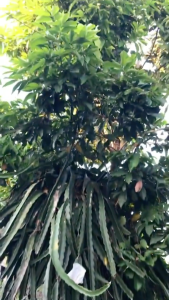
100% effective!!!No need to chop! tree killer 1000g concentrated formula can kill trees weeds bamboo tree

Loam Soil -Complete Potting Mix 1Sack (5kg)

Plant Grafting Foldable Grafting Pruning Knife Stainless Steel Garden Grafting Cutter

SATAS Swimming Pool Vacuum Cleaner Pond Fountain Spa Cleaning Flexible Vacuum Head Cleaning Tool 50-200W

Garden Pruning Shears High Carbon Steel Pruner Tree Trimmer Sharp Branch Shears Cutter Plant Scissors Garden Tools
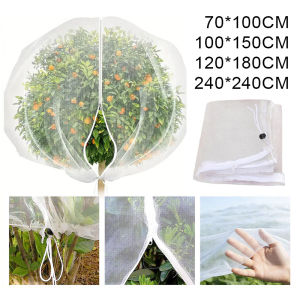
Large Fruits Tree Garden Netting Cover with Drawstring Zipper for Insect Bird Plant Barrier Mesh Net

【Universal】Chainsaw Saw Chain Chains 20/22/24 inches Sharp and durable 100% High hardness right angle chain saw tools imported Drive Links For Chainsaw Replacement For Cutting Lumber Woodworking Tool Made in Germany chainsaw Guide Bar

Auto Irrigation Watering Sprinkler Head Smart Rotating