


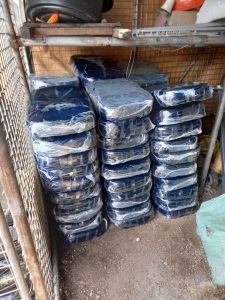
Hard Asphalt Sealant (25 KGS) for Cracks or Waterproofing - Oxidized Asphalt / Blown Asphalt - Item 115 / 15
Road Crack Asphalt Sealant products are, used to fill individual pavement cracks to prevent entry of water or other non-compressible substances such as sand, dirt, rocks or weeds. Crack sealant is typically used on early stage longitudinal cracks, transverse cracks, reflection cracks and block cracks.Before applying crack sealant, cracks need to be routed out and cleaned.Crack sealing is best done in moderate temperatures (spring or fall) and is most effective if performed immediately after cracks develop.Reported average performance life ranges from about 3 – 8 yearsThe Best Practices of Crack SealingCracks come in all shapes and sizes, and no pavement is immune to cracking. If left untreated, those cracks are only the start of more significant problems, from potholes all the way to sub-base failure.According to the Pavement Preservation & Recycling Alliance’s roadresource.org, 75 percent of unsealed cracks develop into potholes within three years, while only 1 percent of sealed cracks develop into potholes in that same timeframe. Considering the benefits gained from reduced vehicle damage, increased driver safety and reduced road maintenance, it’s clear why crack sealing is important.Crack sealing is the process of placing an adhesive sealant into cracks on the pavement surface, preventing the infiltration of moisture and non-compressible materials into the pavement. It is a cost-effective pavement preservation treatment that can slow pavement’s deterioration and extend pavement life by three to five years. A crack-sealed road can be opened to traffic almost immediately when a de-tacking agent is used.1. When to Perform Crack SealingCrack sealing should be performed before a pavement becomes too distressed.Crack sealing can be used for cracks wider than ⅛ of an inch, including block, edge, longitudinal, reflective, thermal or transverse cracking. Pavement experiencing alligator cracking may not be a candidate for crack sealing, as the alligator cracks indicate failures requiring repair beyond crack sealing. Potholes and cracks wider than 1½ inches also should not be crack sealed.Crack sealing can be combined with other preservation treatments, including chip seals, HMA overlays, slurry seals or micro seals. However, the crack seal must cure for a minimum of two weeks before any treatment can be placed overtop. Overbanded crack seals require even longer cure times.2. Prepare the SurfaceProper preparation of the surface is key to successful adhesion of the sealant. Some jobs may require cracks to be routed; others will not.There are a number of factors determining whether or not cracks should be routed before they are sealed. Routing offers cleaner edges for better material adhesion and creates a defined reservoir that holds the appropriate amount of sealant to accommodate the anticipated annual thermal movement. When done before crack sealing, routing can improve the likelihood of proper sealant adherence and double its service life.3. Prep MaterialSealant, which is melted and applied using a piece of equipment called a melter, should only be heated within the manufacturer’s specified temperatures, usually between 380 and 410 degrees Fahrenheit.Overheating the sealant degrades its properties, while under-heating it will negatively impact adhesion as it won’t flow down the depth of the crack appropriately. It’s important to note that some sealants can be reheated, while others cannot. Check the temperature of the material regularly.“Most sealants can be reheated only one time,” Julian said. “If it rains and you have to shut down, you’ll have space to add new, fresh material, which resets the pot life back to zero.” She also said not to heat material for more than 12 to 15 hours without introducing fresh material, as most sealants are not meant to withstand elevated temperatures for that length of time.Add sealant blocks one at a time at the rate you are using it. “Adding too many will reduce the temperature of the heated material in your tank,” Julian said. “Too many blocks can also jam agitation paddles in certain melters.”Julian also reminds us to empty the tank completely before adding a different sealant type for another job, because the chemistry of those sealants can be drastically different.4. Crack Seal Application Best PracticesThere are a number of crack seal placement configurations, including flush fill, overband, reservoir and combination. Regardless of the method used, take care to fill the crack from the bottom up to ensure a complete seal and use the right wand tip for the job.For flush fill configurations, the material is placed in the crack so it is flush with the pavement. O’Driscoll said this configuration should be used if an overlay or other surface treatment is planned in the near future.With an overband, the material is placed into and over the crack with a sealing disc. It is then either left unshaped (capped) or shaped using a squeegee to create a band that is no more than ⅛ of an inch thin and 2 to 4 inches wide. Squeegeeing can also push the sealant down into the crack to help with adhesion.Overband covers and waterproofs the crack and is ideal for cracks with considerable deterioration along the edge because it will cover those sections in addition to filling the crack.We covered the reservoir configuration in our section about routing. However, reservoirs can be flush or recessed. A recessed reservoir is placed lower than the pavement level when an overlay will be placed in the same season as the crack sealing occurs.There are also combination configurations for jobs where routing throughout is not possible.Check outNCHRP’s Report 784on the best practices for crack treatments for asphalt pavements.To combat sagging as sealant cools and shrinks, some material suppliers recommend filling the crack ¾ of the way and then allowing it to cool before filling completely. Other suppliers suggest filling the cracks to the proper height and returning to any cracks that are too low. If excessive sagging occurs, for sloped pavements, choose higher viscosity sealant to resist sagging/flow.Throughout the job, avoid using too much sealant or leaving behind drips and puddles. Using a drip stopper on the tip can help to avoid drips and excess application. In the case of puddles of excess sealant, remove by heating a flat blade and cutting puddle excess without harming the treatment.It is important not to turn the freshly crack-sealed surface over to traffic too soon. However, the exact cure time depends on many variables, including sealant, weather and volume of traffic on the road. If a light application of fine sand or a liquid de-tacking agent is applied to the surface, traffic can return to the pavement almost immediately.-https://theasphaltpro.com/articles/crack-sealing-best-practices/

WW Essentials
You May Also Like

Centrifugal governor 17mm water pump parts

Wall Mounted Key Holder with 10 Hooks No Drill Key Hanger Heavy Duty Key Organizer Rack for Hallway Doorway Entryway
SIDSI 300/400/500MM Toilet Handrail With Anti Slip Texture Stainless Steel Shower Safety Support Handle Towel Rack Black Bathroom
10Pcs Shower Head Cleaning Brush Gap Hole Anti-clogging Small Nylon Brush Shower Nozzle Pore Cleaning Brush Mobile Phone Hole Keyboard Pore Gap Cleaning Accessorie
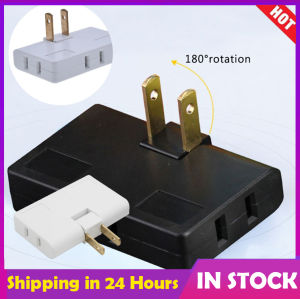
【High Quality+In Stock】US Adapter One In Three Converter 180 Degree Rotation Extension Plug Wireless Outlet Travel Adaptor Light Socket In Japan Canada
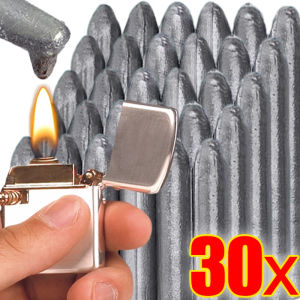
15Pcs Copper Aluminum Welding Rods for Metal / Low Temperature Easy Melt Welding Rods / Stainless Steel Metal Repair Tools

Door Lock Installation Kit Carbon Steel Door Lock Hole Drilling Tool with Guide Template Hand Tool
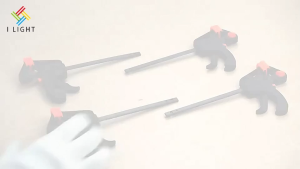
(Fast delivery)Plastic F Clamp woodworking DIY project clamping tool 4-inch/8-inch quick wood clamp metal fixing clamp manual tool

Makita | Makita DDF487 18V Brushless Cordless Drill Driver 10mm Chuck 1700RPM For Woodworking Projects And Household DIY Repairs
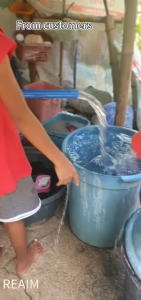
REAIM 450W Jet Pump 1 Inch Water Pressure Booster Pump for Household Garden Water Supply
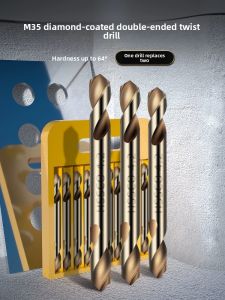
HUANGXIAOCHAO | Tungsten Steel Cobalt Double-Headed Drill Bit