


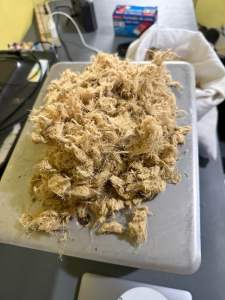
BAMBOO fiber COTTON for pillow research textiles industry
1,500 per 500 Grams.Cured Bamboo fiber cotton is often called the "miracle plant" of the modern era, and for good reason. It’s essentially a grass that acts like a tree, providing a sustainable alternative to both plastics and traditional textiles.Here is a breakdown of how bamboo fiber is used and why it’s becoming so popular.1. Textiles and ApparelThis is the most common use for bamboo fiber. Through either a chemical or mechanical process, bamboo is turned into a soft, viscose-like fabric.Clothing: Used for activewear, underwear, and t-shirts because it is moisture-wicking and breathable.Bedding: Bamboo sheets are prized for their "silky" feel and thermal regulation (keeping you cool in summer and warm in winter).Hygiene: Because it is naturally hypoallergenic, it’s a top choice for reusable diapers, sanitary pads, and towels.2. Eco-Friendly Plastics and CompositesBamboo fibers are often mixed with resins to create biodegradable alternatives to hard plastics.Tableware: Reusable plates, bowls, and "to-go" coffee cups.Automotive: Some car manufacturers use bamboo-reinforced plastics for interior door panels and dashboards to reduce vehicle weight and carbon footprint.Construction: High-density bamboo fibers are pressed into "strand-woven" boards, which are harder and more durable than traditional oak flooring.3. Industrial and Paper ProductsBamboo’s long fibers make it incredibly strong, which is a game-changer for the paper industry.Paper Goods: Bamboo toilet paper and paper towels are surging in popularity because bamboo grows back in months, whereas trees take decades.Filtration: Bamboo charcoal fibers are used in air and water filters due to their high porosity and ability to absorb toxins.Why use it? (The Purpose)Feature BenefitRapid Growth Some species grow up to 3 feet in 24 hours, making it a highly renewable resource.No Pesticides Bamboo contains a natural bio-agent called "Bamboo Kun" that makes it naturally resistant to pests.Carbon Sequestration Bamboo forests produce about 35% more oxygen than an equivalent stand of trees.Biodegradability Unlike synthetic fibers (polyester/nylon), 100% bamboo fiber will decompose naturally.A Quick Reality CheckWhile bamboo is amazing, it’s worth noting that "Bamboo Viscose" (the soft fabric) usually requires a heavy chemical process to break down the tough wood into soft pulp. If you are looking for the most eco-friendly version, look for "Bamboo Linen" (mechanically processed) or Lyocell-process bamboo, which uses a closed-loop system to recycle the chemicals.

BEB'Z BAMBOO
Review

You May Also Like
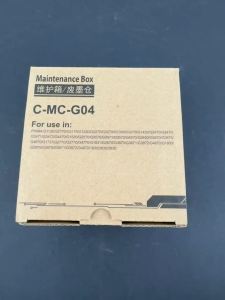
MC-G04 Maintenance Cartridge Waste Ink Tank Box Replacement 1 Piece
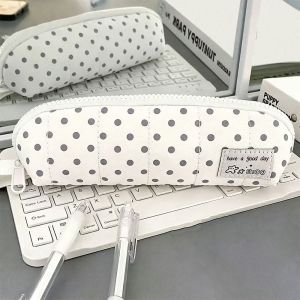
BK6H Polka Dot Design Pencil Case Large Capacity Portable Pencil Pouch Minimalist Stationery Bag Gift
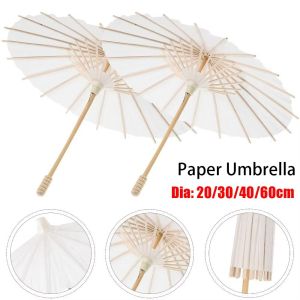
NOBLELYN 1Pcs Dia 20/30/40/60cm Paper Umbrella Long-handle Traditional White Painting Supplies DIY Handmade Photography Prop for Baby Shower Anniversary Wedding Birthday
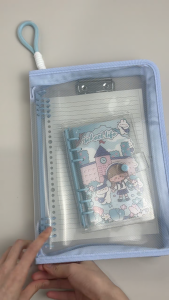
A4 Document Bag Clipboard with Cover Zipper Pouch Transparent File Folder Organizer Storage Bag for School Supplies
Huacan 5D Diamond Painting Leopard Starry Night Diamond Embroidery Animal Landscape Complete Kit Picture Of Rhinestones
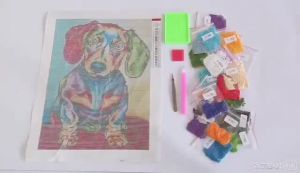
AZQSD Diamond Painting Daisy Flower Full Kits Mosaic Floral Landscape Rhinestones Home Art Craft Handmade
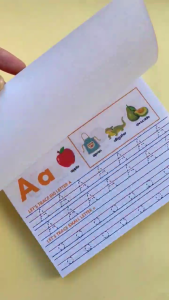
𝐈 𝐂𝐚𝐧 𝐓𝐫𝐚𝐜𝐞 𝐀𝐜𝐭𝐢𝐯𝐢𝐭𝐲 𝐁𝐨𝐨𝐤 | 𝐓𝐫𝐚𝐜𝐢𝐧𝐠 𝐖𝐨𝐫𝐤𝐛𝐨𝐨𝐤 | (𝐀𝟓 𝐒𝐢𝐳𝐞) AK RETEAIL
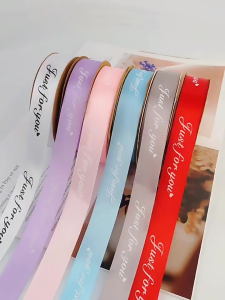
(45 Yard/Roll) 1cm Just For You Ribbon Handmade DIY Romantic Decoration Premium Letter Ribbon
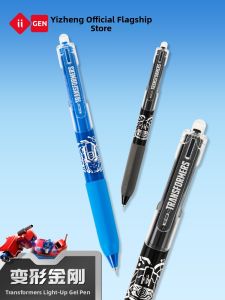
Yi ZHENG | Automatic Press Comfort-grip Quick-drying Ballpoint Pen 0.5mm
Full Embroidery Horse Year Galloping Horse Handmade Diamond Painting Kit DIY Craft for Home Decor Gift
EQUITY 4/6 pcs Soft Hair Watercolor Brush Pointed Round Flat Head Nylon Painting Material Beginners Art Student Hand Drawn Watercolor