


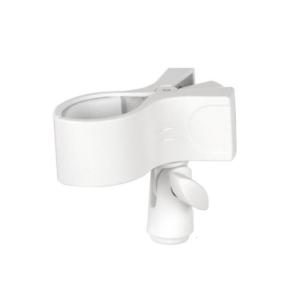
Adjustable Microphones Holder Stand Clip with Strong Spring Clamp and Foam Protections for Home Studios and Stages
Experience enhanceds Microphones stability with Universal Microphones Clip Stand Accessory, featuring upgradeds spring for increased grip strength and compatibility with 99 of microphones. This Microphones clip from plastic and includes thick protective foam to prevent slippage and damage, ensuring your Microphones remain secure during use. for musicians, podcasters, and presenters who require Microphones support in various. Adjustable Microphones Holder Stand Clip with Strong Spring Clamp and Foam Protections for Home Studios and Stages. Features: Experience enhanceds Microphones stability with Universal Microphones Clip Stand Accessory, featuring upgradeds spring for increased grip strength and compatibility with 99 of microphones. This Microphones clip from plastic and includes thick protective foam to prevent slippage and damage, ensuring your Microphones remain secure during use. for musicians, podcasters, and presenters who require Microphones support in various. for home studios

DAwG Electron
Review

You May Also Like
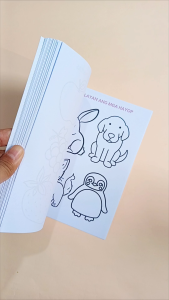
Magsulat sa Filipino: A Comprehensive Guide\\n\\n Introduction to Writing in Filipino\\n\\nLearning how to write in Filipino, also known as Tagalog, is essential for anyone interested in understanding and appreciating the rich culture and history of the Philippines. This comprehensive guide aims to provide a step-by-step approach to writing in Filipino, along with practical tips and resources to help you improve your skills.\\n\\n Understanding the Basics of Filipino Language\\n\\nThe Filipino language is a member of the Malayo-Polynesian language family, spoken by over 80 million people worldwide. It has been influenced by various languages, including Spanish, English, and other indigenous languages. As a result, Filipino has a unique blend of vocabulary, grammar, and syntax that makes it distinct from other languages.\\n\\n Importance of Learning to Write in Filipino\\n\\nWriting in Filipino allows you to communicate effectively with native speakers, understand Filipino literature and media, and appreciate the rich cultural heritage of the Philippines. By learning to write in Filipino, you can expand your horizons and connect with people from different backgrounds.\\n\\n Original Product Information & Specifications\\n\\nIn this section, we will provide an overview of the features of the Filipino language, as well as the key differences between Filipino and other languages.\\n\\n Features of the Filipino Language\\n\\nThe Filipino language has several unique features that set it apart from other languages:\\n\\n* **Vocabulary**: Filipino has a rich vocabulary that includes words borrowed from Spanish, English, and other languages. \\n* **Grammar**: Filipino grammar is relatively simple compared to other languages, with a subject-verb-object sentence structure. \\n* **Syntax**: Filipino syntax allows for flexibility in sentence construction, making it easy to express complex ideas.\\n\\n Key Differences Between Filipino and Other Languages\\n\\nFilipino has several key differences compared to other languages:\\n\\n* **Vocabulary**: Filipino has a unique blend of vocabulary borrowed from various languages, including Spanish, English, and indigenous languages. \\n* **Grammar**: Filipino grammar is relatively simple compared to other languages, with a subject-verb-object sentence structure. \\n* **Syntax**: Filipino syntax allows for flexibility in sentence construction, making it easy to express complex ideas.\\n\\n Description of Writing in Filipino\\n\\nIn this section, we will provide a step-by-step guide to writing in Filipino, along with common mistakes to avoid when writing in Filipino.\\n\\n Step-by-Step Guide to Writing in Filipino\\n\\nTo write effectively in Filipino, follow these steps:\\n\\n1. Learn the basics of Filipino grammar, vocabulary, and syntax.\\n2. Practice writing in Filipino regularly.\\n3. Read Filipino literature and media to improve your understanding of the language.\\n4. Seek feedback from native speakers or language experts.\\n\\n Common Mistakes to Avoid When Writing in Filipino\\n\\nWhen writing in Filipino, avoid these common mistakes:\\n\\n* **Incorrect spelling**: Double-check your spelling to ensure accuracy.\\n* **Poor grammar**: Review your grammar rules to avoid errors.\\n* **Lack of clarity**: Make sure your writing is clear and concise.\\n* **Cultural insensitivity**: Be mindful of cultural nuances and avoid offensive language.\\n\\n Practical Tips for Improving Your Filipino Writing Skills\\n\\nIn this section, we will provide practical tips and resources to help you improve your Filipino writing skills.\\n\\n Practice Makes Perfect: Exercises to Improve Your Writing\\n\\nTo improve your Filipino writing skills, practice regularly by:\\n\\n* Writing short stories, essays, or articles in Filipino.\\n* Keeping a journal in Filipino.\\n* Engaging in language exchange programs with native speakers.\\n\\n Resources for Learning More About Writing in Filipino\\n\\nTo learn more about writing in Filipino, explore these resources:\\n\\n* Filipino language learning apps, such as Duolingo or Memrise.\\n* Online Filipino language courses, such as those offered by the University of the Philippines.\\n* Filipino literature and media, such as books, movies, and TV shows.\\n\\n Conclusion\\n\\nIn conclusion, writing in Filipino is an essential skill that allows you to communicate effectively with native speakers, understand Filipino literature and media, and appreciate the rich cultural heritage of the Philippines. By following the steps outlined in this guide and practicing regularly, you can improve your Filipino writing skills and expand your horizons.\\n\\n Recap of Key Points\\n\\n* Learn the basics of Filipino grammar, vocabulary, and syntax.\\n* Practice writing in Filipino regularly.\\n* Read Filipino literature and media to improve your understanding of the language.\\n* Seek feedback from native speakers or language experts.\\n\\n Encouragement to Continue Learning and Practicing\\n\\nLearning to write in Filipino takes time and effort, but the rewards are well worth it. Keep practicing and exploring the language, and you will soon find yourself communicating effectively in Filipino.\n}

for Evil Eye Leather Bracelet Man Woman Punk Turkish Charm Wristband Bead Bangle Leather Bracelet for Men W

Pip & Posy The Super Scooter Paperback – International Edition Original English books

KIDS TRACING AND WRITING PRACTICE BOOK ALPHABET AND NUMBERS WORKBOOK EDUCATIONAL CHILDRENS BOOKS 38 PAGES

MK PROFESSIONAL SNARE DRUM FULL BIRCH 14X6.5 14X7
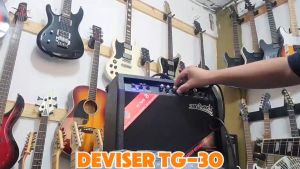
Deviser Electric Guitar Amp 30W TG-30 - 30 Watts Output Power, 8" Speaker Size, AC 220-240V Input Power
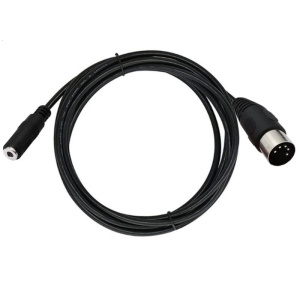
Professional 3.5mm to Din 5 Pin Sound Cable Flexible Stereo Adapter Connection Cable for Sound Keyboard Accessories
![[COD] REMAI0 Vintage Style Leather Guitar Amplifier Handle With Screws Used For Guitar Amplifier Speaker Gear Handle Instrument](https://img.lazcdn.com/g/p/2e5647012e77eee35ef0d890b0398d95.jpg_300x300q80.jpg)
[COD] REMAI0 Vintage Style Leather Guitar Amplifier Handle With Screws Used For Guitar Amplifier Speaker Gear Handle Instrument
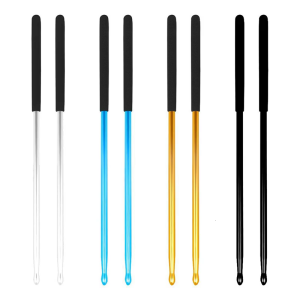
Practical Aluminum Drumsticks 5A Standard Providing Exceptional Experience Suitable for Drummers Stage Performances
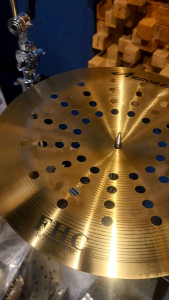
ARBOREA FHC full brass Holy China Effects Cymbal 16 and 18
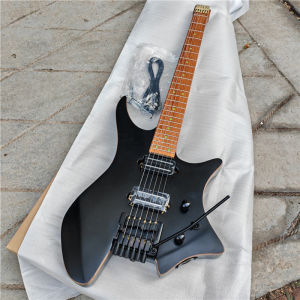
6 Strings Headless Electric Guitar,Matte Color Ash Body Normal Frets Roasted Maple Fingerboard Tremolo Bridge Pull Up-Down Volume Electronic BJ746