



Professional Ear Tagging Kits: A Comprehensive Guide to Digital Marking & Animal Identification
Professional Ear Tagging Kits: A Comprehensive Guide to Digital Marking & Animal Identification
Introduction to Professional Ear Tagging Kits
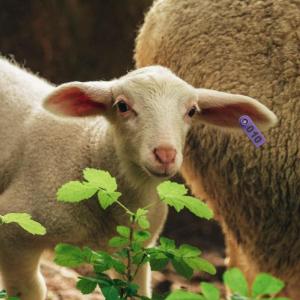
Livestock management requires accurate animal identification to ensure proper care, health monitoring, and record-keeping. One of the most efficient methods for identifying livestock is through the use of professional ear tagging kits. These kits consist of digital marking tags and pliers designed specifically for the identification of goats, sheep, pigs, and cattle. This comprehensive guide will provide valuable insights into the benefits, selection process, and application techniques associated with professional ear tagging kits.
What Are Professional Ear Tagging Kits?
Professional ear tagging kits are a combination of durable digital marking tags and specially designed pliers that facilitate the identification process for livestock farmers. These kits are specifically tailored to meet the needs of various livestock species, including goats, sheep, pigs, and cattle. By using these kits, farmers can easily mark their animals for accurate identification, tracking, and management purposes.
Benefits of Using Ear Tagging Kits for Livestock
The use of professional ear tagging kits offers numerous benefits for livestock farmers. Some of the key advantages include:
- Improved animal identification: With the help of digital marking tags, farmers can quickly and accurately identify individual animals within their herd or flock.
- Enhanced record-keeping: Ear tagging kits enable farmers to maintain organized records of their livestock, including health status, breeding history, and vaccination schedules.
- Increased efficiency: The use of specialized pliers simplifies the ear tagging process, allowing farmers to tag multiple animals in a short amount of time.
- Cost-effective solution: Investing in a professional ear tagging kit can save farmers money in the long run by reducing the need for alternative identification methods.
How to Choose the Right Ear Tagging Kit
Selecting the appropriate ear tagging kit is crucial for ensuring accurate animal identification. Several factors should be considered when choosing a kit, including the type of livestock being tagged, the desired level of detail in the digital marking tags, and the durability of the pliers.
Factors to Consider When Selecting Ear Tagging Kits
When selecting an ear tagging kit, consider the following factors:
- Livestock species: Different livestock species may require different types of tags and pliers. For example, goats and sheep may require smaller tags than cattle.
- Tag material: Tags made from durable materials, such as plastic or metal, will last longer and withstand harsh weather conditions.
- Plier design: Pliers with ergonomic handles and adjustable settings will provide greater comfort and control during the tagging process.
Digital Marking vs. Traditional Ear Tags
Digital marking tags offer several advantages over traditional ear tags, including:
- Higher level of detail: Digital marking tags can display more information than traditional tags, such as animal ID numbers, vaccination dates, and health status.
- Improved readability: Digital marking tags are easier to read, even from a distance, thanks to their larger font sizes and contrasting colors.
- Durability: Digital marking tags are less likely to become damaged or lost compared to traditional ear tags.
Using Ear Tagging Kits for Animal Identification
Proper application techniques and record-keeping practices are essential for maximizing the effectiveness of professional ear tagging kits. This section provides guidance on how to properly apply ear tags to livestock and maintain accurate digital marking records.
How to Properly Apply Ear Tags to Livestock
Follow these steps to apply ear tags to livestock using a professional ear tagging kit:
- Prepare the animal by restraining it gently.
- Clean the ear area to prevent infection.
- Choose the appropriate tag and plier settings based on the animal's size and species.
- Insert the tag through the ear using the pliers, ensuring it is securely fastened.
- Record the animal's ID number and other relevant information.
Best Practices for Maintaining Digital Marking Records
Maintaining accurate digital marking records is essential for proper livestock management. Follow these best practices:
- Keep records organized: Use a spreadsheet or database to track animal IDs, health status, and other important information.
- Update records regularly: Update records whenever changes occur, such as new vaccinations or health issues.
- Store records safely: Protect records from damage or loss by storing them in a secure location.
Pliers for Goat Sheep Identification
Pliers play a vital role in the ear tagging process, particularly when identifying goats and sheep. This section discusses the types of pliers suitable for ear tagging and provides guidance on how to safely handle these tools.
Types of Pliers Suitable for Ear Tagging
There are several types of pliers suitable for ear tagging, including:
- Manual pliers: These pliers require manual pressure to apply the tag and are suitable for smaller livestock species.
- Spring-loaded pliers: These pliers automatically apply the tag, making them ideal for larger livestock species.
How to Safely Handle Pliers for Livestock Identification
Follow these safety guidelines when using pliers for livestock identification:
- Wear protective gear: Wear gloves and eye protection to prevent injury.
- Use proper technique: Follow the manufacturer's instructions for applying tags safely and effectively.
- Store pliers properly: Store pliers in a clean, dry location to prevent rust and maintain their effectiveness.
Cattle Animal Identification Tools & Accessories
In addition to ear tagging kits, there are several tools and accessories available to enhance cattle animal identification. This section provides an overview of these tools and offers tips for ensuring accurate animal identification.
Additional Tools for Effective Cattle Identification
Some additional tools and accessories for cattle identification include:
- RFID tags: Radio-frequency identification (RFID) tags can be used in conjunction with ear tags to provide additional tracking capabilities.
- Ear tag readers: Ear tag readers allow farmers to quickly scan and read digital marking tags.
Tips for Ensuring Accurate Animal Identification
Follow these tips to ensure accurate animal identification:
- Use high-quality tags: Invest in durable, easy-to-read tags that will last throughout the animal's lifetime.
- Train staff: Ensure that all staff members are trained in proper tagging techniques and record-keeping practices.
- Regularly review records: Regularly review and update records to maintain accurate animal identification.

ALSTONK Mariaz Store
Review

You May Also Like
![[Lower Cholesterol/Promote Blood Circulation] Ginkgo Red Yeast Rice Tablets Natural Lipid Management Blood Pressure Support Supplement Cardiovascular Health Capsules](https://img.lazcdn.com/g/p/7a7d2b8f92dcac6c73b808c5b514f898.png_300x300q80.png)
[Lower Cholesterol/Promote Blood Circulation] Ginkgo Red Yeast Rice Tablets Natural Lipid Management Blood Pressure Support Supplement Cardiovascular Health Capsules

XIAO MI Visual Ear Cleaner With Camera Earwax Clean Tool Earpick With Camera 800W
BUY1 TAKE 1 HEMORRHOIDS OINTMENT CREAM 100% Authentic Hemorrhoid Treatment Ointment Health Care for Almoranas Pain Relief Antibacterial Cream

Intelligent Indoor Temperature Dampness Measure Extreme Thin Transportable Plan Tall Resolution Display Long Permanent Cartoon Cartoon Function

Portable Medical Asthma Inhaler Nebulizer Suitable Ultrasonic Atomizer for adults and children

CSPC® Sodium Ascorbate Premium Raw Materials Powder Approve by FDA & IPO Registered

Biblio【Ready in Stock】 Pill Box Portable Sealed Storage Box Dopamine Colors Travel Storage Box 1Pc

BUY 1 TAKE 1 Baiyorang Wet Venom Cream Antibacterial Herbal Anti-itch Cream Genuine Brand Inner Thigh Private Parts Whole Body Wet

Adjustable Posture Corrector & Medical Back Brace: Back Health Care & Humpback Prevention

Bowknot Heart Stripe Charm Earrings Fashion Piercing Earrings Simple Elegant Ear Studs Gift for Women Girls
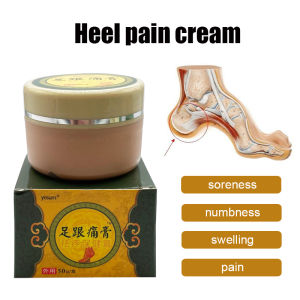
50G/Box Heel Analgesic Cream Treat Rheumatism Arthritis Ointment Feet Sprain Ankle Bone Spurs Pain Relief Plaster