



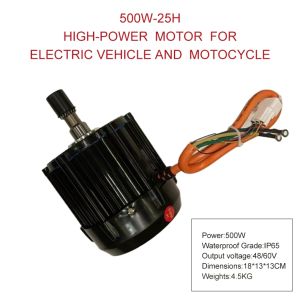
48V/60V Electric Bike High Power Electric Motor 650w 500w 800w 1000w Motorcycle Brushless Motor
48V/60V Electric Bike High Power Electric Motor 650w 500w 800w 1000w Motorcycle Brushless Motor
Introduction to High-Power Brushless Motors
High-power brushless motors are the heart of electric bikes, providing reliable and efficient propulsion. These motors come in various power ratings, including 650W, 500W, 800W, and 1000W, and are compatible with both 48V and 60V electric bike systems. In this article, we will explore the specifications, features, and performance metrics of these high-power brushless motors, helping you make an informed decision when choosing the right motor for your electric bike.
Understanding Motor Specifications
To understand the specifications of high-power brushless motors, it is crucial to familiarize yourself with key terms such as power rating, voltage, and RPM (Revolutions Per Minute). Power rating, measured in watts (W), indicates the motor's output power. Voltage, measured in volts (V), represents the electrical potential difference that drives the motor. RPM refers to the speed at which the motor rotates per minute.
Key Features of 650W, 500W, 800W & 1000W Motors
Each motor has unique features that cater to different riding styles and preferences. For instance, the 650W motor offers a balance between power and efficiency, making it ideal for casual riders who prioritize comfort and range. The 500W motor, on the other hand, is perfect for commuters who require a reliable and cost-effective solution. The 800W and 1000W motors deliver impressive torque and speed, catering to riders who demand high-performance and thrilling experiences.
Comparison Between 48V & 60V Motors
When comparing 48V and 60V motors, it is essential to consider factors such as battery capacity, range, and charging time. A 60V motor typically offers better performance and longer range compared to its 48V counterpart. However, the increased voltage may result in higher costs and faster battery degradation. Therefore, it is crucial to weigh the pros and cons before making a decision.
Choosing the Right Electric Bike Motor
Selecting the appropriate motor for your electric bike depends on several factors, including riding style, terrain, and personal preferences. Here are some considerations to help guide your decision-making process:
Factors Influencing Your Decision
- Riding Style: Are you a casual rider, commuter, or thrill-seeker? Each riding style requires a different level of power and performance.
- Terrain: Do you plan to ride on flat surfaces, hills, or rugged terrain? The motor's torque and efficiency play a significant role in overcoming challenging terrains.
- Personal Preferences: Consider your budget, weight, and comfort requirements when selecting a motor.
Considerations for Different Riding Styles
- Casual Riders: Opt for a 500W or 650W motor, which provides a balance between power and efficiency.
- Commuters: Choose a 650W or 800W motor, depending on your daily commute distance and terrain.
- Thrill-Seekers: Select a 1000W motor for maximum torque and speed.
Evaluating Performance Metrics
To assess the performance of high-power brushless motors, consider the following metrics:
- Power-to-Weight Ratio: A higher power-to-weight ratio indicates better acceleration and climbing capabilities.
- Efficiency: An efficient motor consumes less energy, resulting in longer battery life and reduced charging frequency.
- Noise Level: A quieter motor enhances the riding experience and reduces disturbances to others.
Installation and Maintenance Tips
Proper installation and maintenance of your electric bike motor are crucial for optimal performance and longevity. Follow these tips to ensure a smooth and trouble-free experience:
Preparing Your Electric Bike for Installation
- Check Compatibility: Verify that the motor is compatible with your electric bike's frame, battery, and controller.
- Gather Tools: Prepare the necessary tools, such as wrenches, screwdrivers, and pliers, for a seamless installation process.
- Follow Instructions: Carefully read and follow the manufacturer's instructions to avoid any mistakes during installation.
Troubleshooting Common Issues
- Motor Not Spinning: Check the battery voltage, controller settings, and motor connections for any issues.
- Motor Overheating: Ensure proper ventilation and cooling to prevent excessive heat buildup.
- Noise or Vibration: Inspect the motor mounts, bearings, and bolts for any signs of wear or damage.
Best Practices for Long-Term Maintenance
- Regular Cleaning: Clean the motor and its components regularly to remove dirt, dust, and debris.
- Lubrication: Apply lubricant to moving parts to reduce friction and wear.
- Monitor Battery Health: Regularly check the battery voltage and charge levels to ensure optimal performance.
In conclusion, choosing the right high-power brushless motor for your electric bike requires careful consideration of various factors, including power rating, voltage, and performance metrics. By understanding these specifications and following installation and maintenance tips, you can enjoy a reliable and efficient electric bike experience.

fastebike
Review

You May Also Like
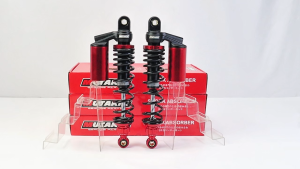
MUTAKIN Rear Shock With Round Cap(1 Pair)280MM 330MM Xrm/Wave/Dash/Smash/Tmx

Magnetic Phone Holder Tablets Mount for Car & Home Use Universal Magnet Stand for Phones & Tablets Simple Installation
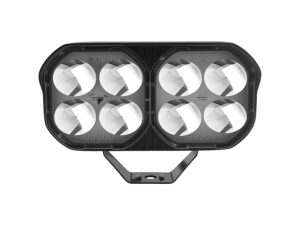
Double clover motorcycle spotlight waterproof headlight small steel cannon light
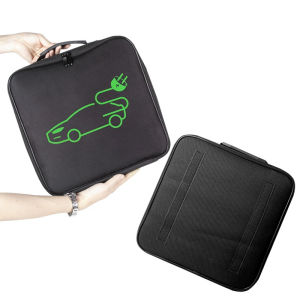
New Electric Vehicle Car Charging Cable Storage Carry Bag EV Charger Plugs Sockets Waterproof Fire Retardant Equipment Container
2pcs Universal Car Seatbelt Alarm Stopper and Bottle Opener 2mm First VMBO Universal Seat Belt Alarm Canceller Dual-use Auto Car Safety Buckle Bottle Opener Alarm Eliminator Stopper Interior Accessories Beer Soda Opener
SYK-8A / SYK-8B 10T Hole Knockout Tool Hand Pump Hydraulic Hole Digger Punch Driver Kit with 6 Dies
NMAX V1/V2 YAMAHA GENUINE BRAKE PAD SET
Scissor Jack Adapter Socket wrench Fast Tire Change Car Maintenance Repair Tool for RV Trailer
【👍Original + 24 Hour Shipping🚗✔️】Universal Car Half Cover Sunshade Indoor Outdoor Sun UV Snow Dust Resistant Protection Car Cover For Seden SUV (car accessories)
TMX 125/155 OPEN PIPE 51 MM TRI-CUT HIGH MOUNT WITH SILENCER

Applicable 11-20 Annual Model JEEP Grand Cherokee Dodge DODGE Durango Carbon Fiber Handle Door Knob 986
![[Jocestyle Mall]100pcs TR-413 Snap In Short Black Rubber Valve Stems TR413 Tubeless Valves](https://img.lazcdn.com/g/ff/kf/Sb402d8c88f354b9cbedf9690fc715921r.jpg_300x300q80.jpg)