


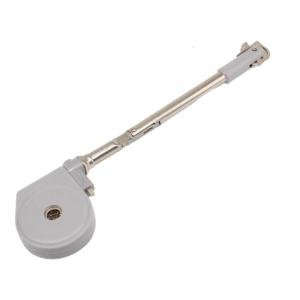
How to Replace & Install Slow-Closing Cabinet Hinges
How to Replace & Install Slow-Closing Cabinet Hinges
What Are Slow-Closing Cabinet Hinges?
Slow-closing cabinet hinges, also known as soft-close hinges, are designed to ensure smooth and gentle closing of cabinet doors. These hinges incorporate a damping buffer support system that allows the door to close slowly and quietly, reducing noise and wear on the hinge mechanism. Additionally, folding lid support hinges offer added stability and support for toy box lids, making them ideal for various applications.
Understanding the Benefits of Slow-Closing Hinges
Slow-closing hinges offer numerous benefits, including:
- Reduced noise during door closure
- Increased durability and longevity of the hinge mechanism
- Improved aesthetics and functionality of cabinets and toy boxes
- Enhanced user experience through smooth operation
Key Features: Damping Buffer Support & Folding Lid Support
Damping buffer support is a crucial feature of slow-closing hinges, providing a controlled closing motion and minimizing the risk of damage to the cabinet or toy box. Folding lid support hinges, on the other hand, offer enhanced stability and support for toy box lids, ensuring they remain securely closed and preventing accidental opening.
How to Choose the Right Hinge for Your Needs
Selecting the appropriate hinge for your project requires careful consideration of several factors, including the size and weight of the cabinet or toy box, the desired functionality, and the aesthetic preferences of the user.
Factors to Consider When Selecting a Hinge
When choosing a hinge, consider the following factors:
- Size and weight of the cabinet or toy box
- Desired functionality (slow-closing, folding lid support)
- Aesthetic preferences
- Compatibility with existing hardware
Popular Options: Easy-to-Install Hinges & 1Pc Lid Support Hinge
Popular options for slow-closing cabinet hinges include easy-to-install hinges and folding lid support hinges. These options offer a range of benefits, including ease of installation, enhanced functionality, and improved aesthetics.
Step-by-Step Guide to Replacing & Installing Hinges
Replacing and installing slow-closing cabinet hinges requires a few essential tools and materials, as well as careful preparation and attention to detail.
Tools & Materials Needed
Before beginning the installation process, gather the following tools and materials:
- Slow-closing cabinet hinge (e.g., 1Pc Lid Support Hinge)
- Screwdriver
- Drill
- Screws
- Level
Preparing the Cabinet for Installation
To prepare the cabinet for installation, follow these steps:
- Remove any existing hinges from the cabinet door and frame.
- Clean the surfaces to ensure proper adhesion of the new hinge.
- Mark the desired placement of the new hinge on the cabinet door and frame.
Installing the New Hinge
Once the cabinet is prepared, follow these steps to install the new hinge:
- Align the new hinge with the marked placement on the cabinet door and frame.
- Secure the hinge to the cabinet door and frame using screws and a screwdriver or drill.
- Adjust the hinge to ensure proper alignment and function.
Troubleshooting Common Issues
During the installation process, you may encounter some common issues. Here are some tips for addressing these problems and ensuring proper functionality after installation:
Addressing Problems During Installation
- Ensure the new hinge is properly aligned before securing it to the cabinet door and frame.
- Use the appropriate screws and tools for the job.
- Double-check the placement of the hinge to avoid misalignment.
Ensuring Proper Functionality After Installation
- Test the door or lid to ensure it closes smoothly and quietly.
- Adjust the hinge if necessary to achieve the desired functionality.
- Inspect the hinge periodically to ensure it remains secure and functional.

Active Life1
Review

You May Also Like

Fishing Umbrella Adjustable Beach Sun Shade Khemah Camping Umbrella Patio Parasol Outdoor Umbrella
Door Back Shoe Rack Assembly Kitchen Multifunction Racks Wall Storage Organizer
Metal Bed Frame Double Bed Metal Foundation Powder Coated Low Platform Bed Frame

Transparent EVA Garment Bags Clothes Cover Clothes Protector with Zipper Waterproof Washable Hanging Clothes Covers for Home Storage Dust Protection for Suits Dresses Shirts Clothes Organizer Storage
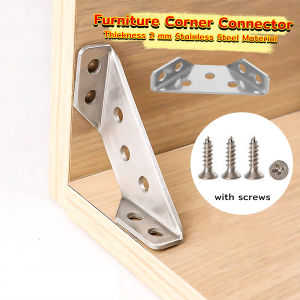
Lovira Stainless Steel Corner Brace: Home Decor Accessories & Furniture Fasteners
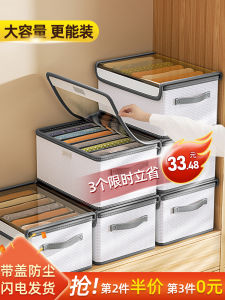
Pants Storage Organizer Home Wardrobe Clothes Layered Divided Box Clothing Storage Container Basket Simplistic Design Foldable
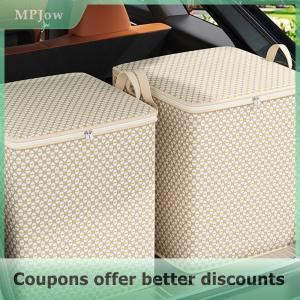
【MPJow】 Portable Large Capacity Clothes Quilt Storage Bag Dust-proof Toy Home Moving Storage Bag Wardrobe Accessories
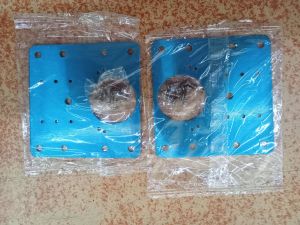
Concealed Hinges Repair Plate - set (2pcs)
4/8Pcs Furniture Leveling Spacer Clear Furniture Leveling Shims Cabinet Leg Adjusters Wedge Gasket for Uneven Flooring
Double Door Folding Storage Cabinet 45/60CM Storage Box With Wheels Plastic Magnetic Storage Cabinet
Multifunctional Desk with Drawer: Perfect Home Office Solution