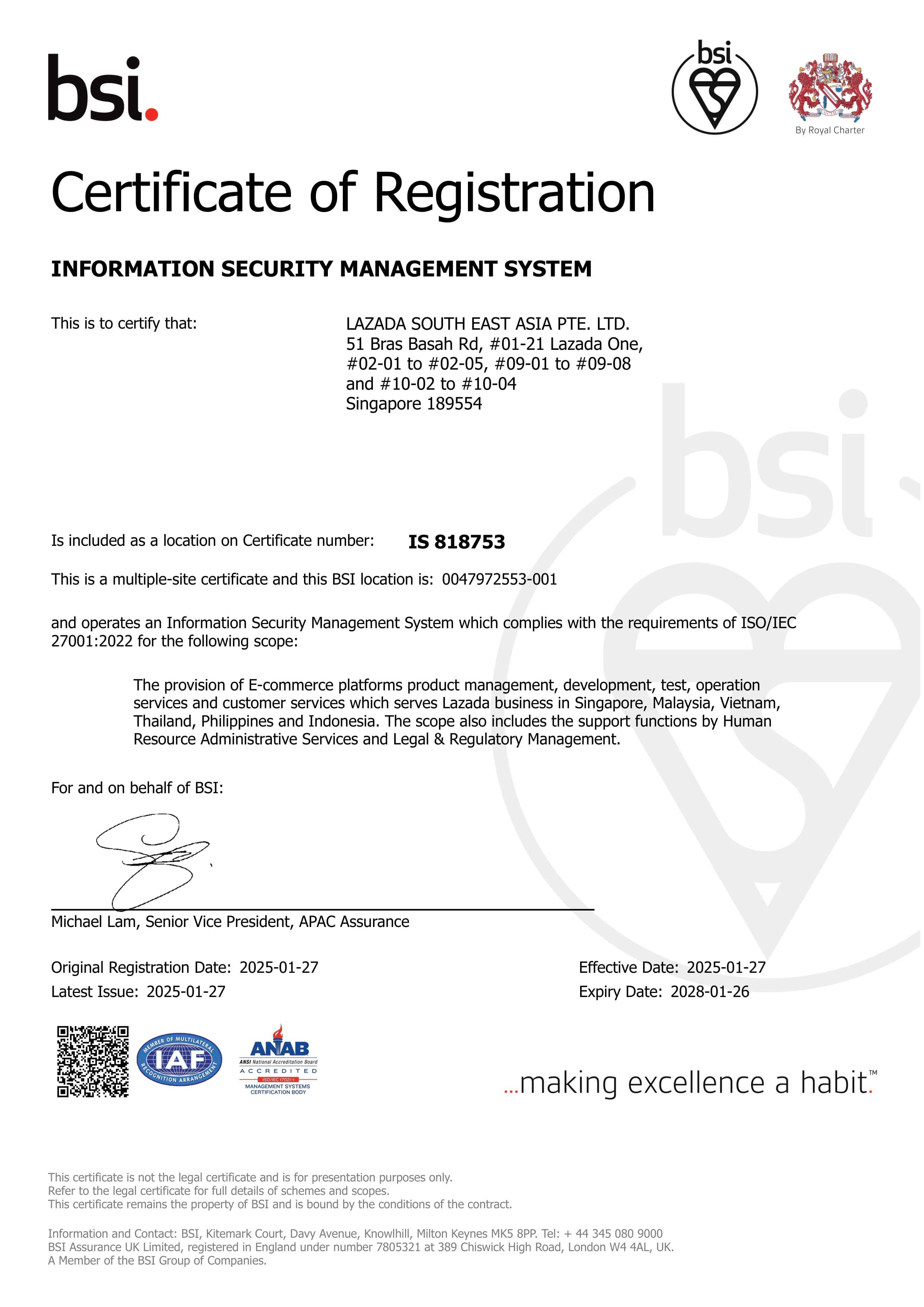



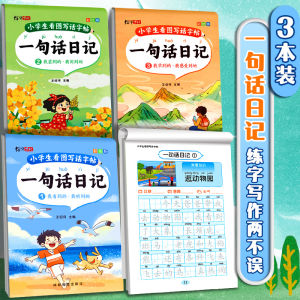
Daily Writing Practice & Calligraphy Exercises for Primary School Students
Daily Writing Practice & Calligraphy Exercises for Primary School Students
Introduction to Hard Pen Calligraphy Practice
Hard pen calligraphy is a form of writing that emphasizes the beauty and precision of strokes using a hard pen, such as a ballpoint pen or a fountain pen. It is a skill that can be mastered through regular practice and dedication. In this article, we will focus on hard pen calligraphy practice for primary school students, specifically in the context of English language learning.
What is Hard Pen Calligraphy?
Hard pen calligraphy is a technique that involves creating visually appealing letters and words using a hard pen. This type of calligraphy focuses on the uniformity of letter shapes, consistency of line thickness, and overall neatness of the written text. It is a great way to improve handwriting skills and develop a sense of artistic expression through writing.
Benefits of Hard Pen Calligraphy Practice for Kids
Engaging in hard pen calligraphy practice can bring numerous benefits to primary school students, including:
- Improved fine motor skills
- Enhanced concentration and focus
- Increased self-confidence and self-esteem
- Better handwriting and legibility
- Development of artistic expression
How to Get Started with Hard Pen Calligraphy Practice
To start practicing hard pen calligraphy, you will need a few essential items:
- A good quality hard pen (ballpoint or fountain pen)
- A smooth paper surface
- A comfortable writing posture
Begin by practicing basic strokes and gradually move on to more complex letterforms. It is important to maintain consistent pressure and speed while writing. Regular practice and patience will help you develop your own unique style of hard pen calligraphy.
Composition & Sentence Writing Practice
In addition to hard pen calligraphy, primary school students can benefit greatly from regular composition and sentence writing practice. This skill helps them express their thoughts and ideas clearly and effectively in written form.
Importance of Composition & Sentence Writing Practice
Regular composition and sentence writing practice helps primary school students improve their:
- Vocabulary and grammar skills
- Reading comprehension
- Critical thinking and problem-solving abilities
- Creativity and imagination
- Communication skills
Tips for Improving Composition & Sentence Writing Skills
To enhance composition and sentence writing skills, primary school students can:
- Read widely and regularly
- Practice writing different types of compositions (e.g., narrative, descriptive, persuasive)
- Use writing prompts to spark creativity
- Seek feedback from teachers and peers
- Edit and revise their work
Recommended Books for Primary School Students
Here are some recommended books to help primary school students improve their composition and sentence writing skills:
- "Writing Workshop: The Essential Guide" by Ralph Fletcher
- "The Writer's Toolbox" by Mary Lee Hahn
- "The Art of Writing: A Guide for Young Writers" by William Zinsser
Daily Writing Practice for Kids
Incorporating daily writing practice into a primary school student's routine can have a significant impact on their overall language development and academic success.
Why Daily Writing Practice is Important
Daily writing practice helps primary school students:
- Develop good writing habits
- Build confidence in their writing abilities
- Improve their grammar and vocabulary skills
- Enhance their critical thinking and problem-solving abilities
- Foster creativity and imagination
Recommended Activities for Daily Writing Practice
Here are some recommended activities for daily writing practice:
- Keeping a journal or diary
- Writing letters to friends or family members
- Creating short stories or poems
- Practicing descriptive or persuasive writing
- Participating in writing challenges or contests
How to Incorporate Daily Writing Practice into Your Routine
To incorporate daily writing practice into a primary school student's routine, try these tips:
- Set aside a specific time each day for writing
- Create a designated writing space
- Make writing fun and engaging
- Provide positive feedback and encouragement
- Celebrate writing achievements and milestones
By following these guidelines and incorporating daily writing practice into their routines, primary school students can develop strong writing skills and become confident, creative writers.

pingouboran
Review

You May Also Like
How to hug a porcupine

Bundle Trio Atomic Habits + The 7 Habits of Highly Effective People + Talk Like Ted

Professional Ukulele Gig Bag Thickened Shockproof Protection Durable Canvas with Adjustable Backpack Straps and Breathable Double-Layer Storage for 26-inch Ukulele.

The Complete Ethiopian Bible 81-Book Canon with English Version Leather Easy To Read With Wisdom Books埃塞俄比亚88部经文

Guitar String Mute Dampener Adjustable Bass Mute Silencers Guitar Fretboard Muting Wraps Neck Mute Belt Guitar Accessory
Musiclily Pro 42mm Steel Guitar R2 Locking Nut String Lock for Floyd Rose Tremolo Bridge Electric Guitar

Humans and Other Animals Chi P. Pham Chitra Sankaran

Big Dipper LP001-H PLUS Par 60 LED 3W RGBW with 4 dmx cable wires Led par light (ALL ORIGINAL) - Lazada

In Stock!! 18x 10W RGBW 4 in 1 Color LED Par Light/ Stage Light LED/Event/Clubs/DJ/Lighting/Effect factory/Party

Additional Textured Keycaps Showcasing Glowing Butterfly Heart Designs For Ergonomic Keyset Tailoring

Rixton 61 Keys Electronic Piano Digital Keyboard Piano Portable Piano Beginner Keyboard