


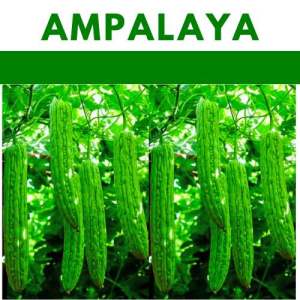
AMPALAYA Seeds Sta. Lucia Vegetable Repacked Seeds Gardening
AMPALAYA Seeds Sta. Lucia Vegetable Repacked Seeds Gardening
Growing AMPALAYA plants from organic seeds is a rewarding experience for gardeners, especially those interested in cultivating nutritious and beneficial vegetables. This article will guide you through the process of growing AMPALAYA plants using organic seeds, specifically the Sta. Lucia vegetable repacked seeds. We will cover the key features of organic AMPALAYA seeds, preparing your garden, planting, caring for the plants, and harvesting.
What Are Organic AMPALAYA Seeds?
Organic AMPALAYA seeds are produced without the use of synthetic pesticides, fertilizers, or genetically modified organisms (GMOs). These seeds offer a natural and sustainable way to grow AMPALAYA plants, which are known for their health benefits and culinary uses.
Key Features of Organic AMPALAYA Seeds
- Non-GMO
- Free from synthetic pesticides and fertilizers
- Suitable for organic gardening practices
- Provide a healthy and nutritious crop
Where to Buy Organic AMPALAYA Seeds
Organic AMPALAYA seeds can be purchased from reputable seed suppliers, garden centers, and online retailers. Make sure to choose a reliable source that offers high-quality, organic seeds. For example, Sta. Lucia vegetable repacked seeds are known for their reliability and quality.
Preparing Your Garden for Growing AMPALAYA Plants
Before planting your organic AMPALAYA seeds, it's essential to prepare your garden properly. This will ensure optimal growth and yield for your plants.
Soil Requirements for AMPALAYA Plants
AMPALAYA plants thrive in well-draining soil with a pH level between 6.0 and 7.5. The soil should be rich in organic matter, such as compost or well-rotted manure, to provide the necessary nutrients for healthy growth.
Watering and Fertilizing AMPALAYA Plants
AMPALAYA plants require regular watering, especially during dry periods. It's best to water the plants deeply once or twice a week, depending on the weather conditions. Fertilize the plants every two weeks with a balanced, organic fertilizer to promote healthy growth.
Growing AMPALAYA Plants from Sta. Lucia Vegetable Repacked Seeds
Now that your garden is prepared, it's time to plant your organic AMPALAYA seeds. Follow these steps to ensure successful germination and growth.
Planting AMPALAYA Seeds
Plant the seeds about 1/2 inch deep in the soil, spacing them about 2 inches apart. Keep the soil moist until the seeds germinate, which usually takes 7 to 14 days.
Caring for AMPALAYA Plants
Once the plants are established, continue to water and fertilize them regularly. Provide support for the vines by using stakes or trellises. Monitor the plants for pests and diseases, and take appropriate action if necessary.
Harvesting and Using AMPALAYA Plants
Harvesting your AMPALAYA plants is the final step in the growing process. Here's what you need to know.
When to Harvest AMPALAYA Plants
AMPALAYA plants are ready for harvest when the fruits are firm and green, usually around 60 days after planting. Pick the fruits regularly to encourage continuous production.
How to Store and Use AMPALAYA Plants
Store harvested AMPALAYA fruits in the refrigerator for up to 5 days. Use them in various dishes, such as soups, stews, and stir-fries. They can also be juiced or used in traditional remedies for their health benefits.
By following these steps and using organic AMPALAYA seeds, you can successfully grow and enjoy this nutritious and beneficial vegetable in your garden.

Punla Project Ph
Review
You May Also Like
ECOR 100/200M Weed Control Barrier Fabric Weeding Cloth Black Degradable Film Weed Block Gardening Mat
Banana Plant (Saging Lakatan) in plastic bag

caiti022 【Hot Sale】Iron sulfate fertilizer for adjusting soil pH and preventing yellow leaves
![Garden Pavement Mold DIY Paving Cement Brick Stone Road Concrete Path Maker[Ueb Shop]](https://img.lazcdn.com/g/ff/kf/Sf6dc4a072b1547afbe0662ea56cdf7cbd.jpg_300x300q80.jpg)
Garden Pavement Mold DIY Paving Cement Brick Stone Road Concrete Path Maker[Ueb Shop]
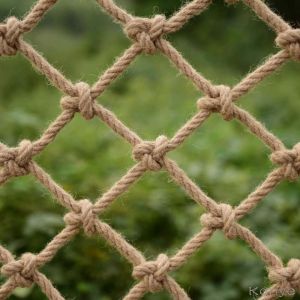
1x2m Playground Protection Net Climbing Net for Climbing Net Children Garden Playground Protection Indoor & Outdoor Decor
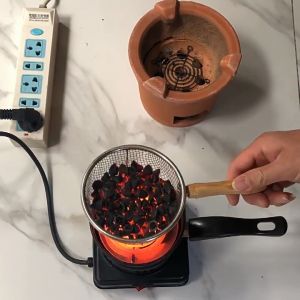
Multifunctional Electric Charcoal Stove: A Complete Guide
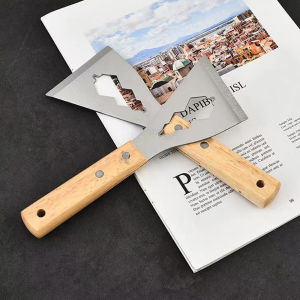
Amoki【Ready in Stock】 Stainless Multi-Purpose Scraper Durable Cleaning Outdoor Garden Shovel Farm Weeding Tool 1Pc
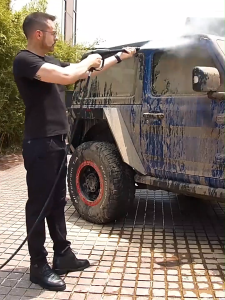
DEG Portable High Pressure Car Washing Machine Heavy Duty Power Sprayer Machine Car Wash

Lithium battery lawn mower garden lawn mower rechargeable electric lawn mowerBrushless motor

KUAIBU High Quality Double door Big Mouse Rats Live Trap Cage Strong Catch Bait Pest Control

PROFESSIONAL 3800W Pressure Washer 400BAR Heavy Duty - Portable Car Wash Machine with Foam Blaster Hose Nozzle Tips & Self-Priming Function for Auto Patio Fence Cleaning (220V)