


200M Grafting Tape & Stretchable Grafting Film: A Comprehensive Guide
200M Grafting Tape & Stretchable Grafting Film: A Comprehensive Guide
What Are Stretchable Grafting Films?
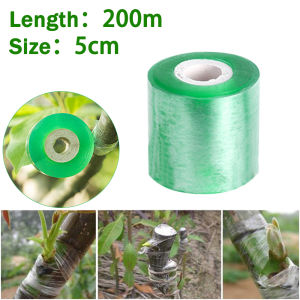
Stretchable grafting films are flexible materials used in plant repair and grafting processes. They are designed to wrap around plant stems, branches, or trunks to protect them during the grafting process. These films come in various sizes, thicknesses, and materials, making them suitable for different types of plants and gardening needs.
Understanding the Materials
Stretchable grafting films are typically made from polyethylene (PE) or polypropylene (PP). These materials offer excellent flexibility, durability, and water resistance. Some films may also contain UV inhibitors to protect plants from sun damage during the grafting process.
Applications in Plant Repair
Stretchable grafting films have multiple applications in plant repair, including:
- Grafting fruit trees
- Healing plant wounds
- Preventing insect infestations
- Protecting plants from extreme weather conditions
How to Use 200M Grafting Tape
Using 200M grafting tape is a straightforward process. Follow these steps to ensure successful plant repair:
Step-by-Step Instructions
- Prepare the plant by removing any damaged or diseased parts.
- Cut the grafting tape to the desired length, ensuring it is long enough to wrap around the plant stem or branch.
- Wrap the tape around the plant, starting at the base of the wound or graft site.
- Continue wrapping the tape upwards, overlapping each layer by about one-third of its width.
- Secure the end of the tape with a small piece of adhesive tape or a knot.
Tips for Best Results
- Ensure the tape is snug but not too tight, allowing room for plant growth.
- Remove the tape after the graft has healed or the plant has recovered.
- Monitor the plant regularly to check for any signs of infection or disease.
Choosing the Right Grafting Tape
Selecting the appropriate grafting tape depends on various factors, such as the type of plant, the size of the wound, and the environmental conditions.
Comparing Options
Some popular options include:
- Polyethylene (PE) grafting tape: Suitable for most plants, including fruit trees and flowers.
- Polypropylene (PP) grafting tape: Ideal for plants that require higher water resistance.
- Biodegradable grafting tape: Environmentally friendly option for gardeners who prefer eco-friendly materials.
Factors to Consider
When choosing the right grafting tape, consider the following factors:
- Plant type: Different plants may require different types of tapes.
- Wound size: Larger wounds may require thicker or wider tapes.
- Environmental conditions: Plants exposed to extreme weather conditions may benefit from water-resistant tapes.
Benefits of Using Grafting Tapes
Using grafting tapes offers several benefits for promoting healthy plant growth and enhancing garden aesthetics.
Promoting Healthy Plant Growth
Grafting tapes protect plants during the healing process, preventing infection and disease. They also help maintain proper moisture levels, ensuring optimal plant growth.
Enhancing Garden Aesthetics
Grafting tapes can improve the appearance of plants by covering wounds and scars. They can also be used to create unique designs and patterns on plant stems, adding visual interest to gardens.
Conclusion
In conclusion, 200M grafting tape and stretchable grafting films are essential tools for plant repair and grafting. By understanding the materials, applications, and proper usage techniques, gardeners can successfully promote healthy plant growth and enhance garden aesthetics.

OKDAMall
Review

You May Also Like
8-Liter Premium Outdoor Potting Mix: A Better Alternative to Loam Soil
25FT-200FT Expandable Garden Watering Hose High Pressure Car Wash Magic Flexible Water Hose Jardin Irrigation Cleaning Tools
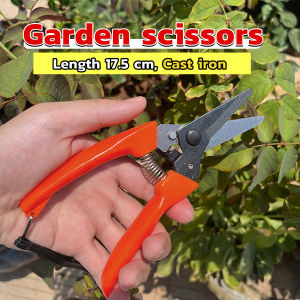
BIBLIO & NAU.K Garden Pruning Grafting Shears: Durable Cast Iron Scissors
Grand Humus Plus - Organic NPK and Foliar Fertilizer for Plants Vegetables Corn and Rice. Better than Humic - NPK
Sweet Tooth Candy Melon Seeds Four Seasons High Yield Courtyard Balcony Potted Fruit Seeds Candy Melon Seeds
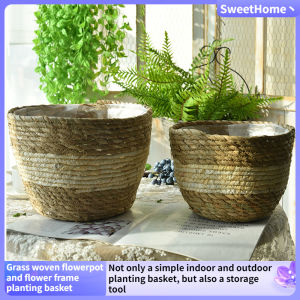
Grass Woven Flower Pots: Home Furnishings Floor To Ceiling
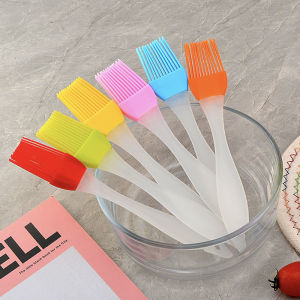
1PCS Silicone Brush: The Ultimate Barbecue & Baking Tool
Seed Starter Pack package of assorted vegetable herbs flowers and fruits seeds
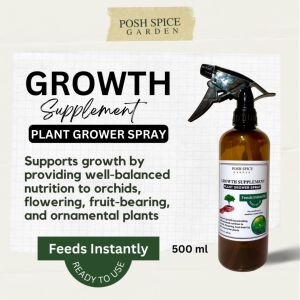
Plant Growth Supplement Ready to Use Plant Growth Spray by Posh Spice Growth Booster Plant Growth Stimulant
Swimming Pool Main Drain Port Bottom 8 Inch Spa Water Outlet Suction For Water park/ Spa/ aquarium/ swimming pool
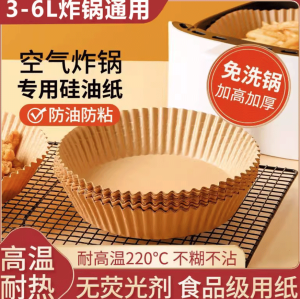
Household Air Fryer Universal Type Baking Tray High Temperature Resistant Oil Absorbing Paper Pad for BBQ And Oven Cooking