



Stainless Steel Roof Ventilators: A Guide to High-Performance Air Vents
Stainless Steel Roof Ventilators: A Guide to High-Performance Air Vents
What Are Stainless Steel Roof Ventilators?
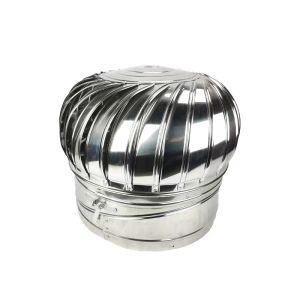
Stainless steel roof ventilators are durable, high-performance air vents designed to improve ventilation in residential and commercial buildings. They are made from corrosion-resistant stainless steel, ensuring longevity and reliability. These roof ventilators come in various sizes, ranging from 200mm to 600mm, to accommodate different ventilation needs.
Understanding Ventilation Needs
Ventilation is crucial for maintaining indoor air quality, energy efficiency, and structural integrity. Poor ventilation can lead to mold growth, dampness, and poor air circulation, which can negatively impact your health and home. By installing stainless steel roof ventilators, you can ensure proper airflow, reduce energy costs, and prolong the life of your building.
Types of Roof Ventilators
There are two primary types of roof ventilators: static and wind turbine air vents. Static roof ventilators rely on natural convection to draw warm air out of the attic, while wind turbine air vents harness wind power to rotate a turbine, creating a suction effect that pulls air through the vent. Wind turbine air vents are more efficient and effective at removing hot air from the attic, making them a popular choice for homeowners.
Choosing the Right Size: 200mm-600mm Ventilators
Selecting the appropriate size for your stainless steel roof ventilator is essential for optimal performance. The size of the vent depends on the square footage of your attic and the ventilation requirements of your home.
Measuring Your Space
To determine the correct size for your roof ventilator, measure the length and width of your attic in feet. Multiply these two numbers to find the total square footage. For example, if your attic measures 20 feet by 30 feet, the total square footage is 600 square feet.
Ventilation Requirements Based on Square Footage
The International Residential Code (IRC) recommends one square foot of ventilation for every 150 square feet of attic space. Therefore, for a 600-square-foot attic, you would need at least four square feet of ventilation. Based on this calculation, a 200mm-600mm stainless steel roof ventilator would be appropriate for most attics.
Installation & Maintenance Tips
Installing and maintaining your stainless steel roof ventilator is essential for optimal performance and longevity.
Tools & Materials Needed
Before beginning installation, gather the necessary tools and materials, including:
- Drill
- Screwdriver
- Roofing sealant
- Flashing
- Screws
Step-by-Step Installation Guide
- Choose a location for your roof ventilator, ensuring it is centered over the attic space.
- Measure and mark the center point of the vent on the roof.
- Drill a pilot hole at the marked center point.
- Use a hole saw to cut a hole in the roof, ensuring it is slightly larger than the vent.
- Apply roofing sealant around the edges of the hole.
- Install flashing around the edges of the vent to create a watertight seal.
- Secure the vent to the roof using screws.
Regular Maintenance for Optimal Performance
Regular maintenance is crucial for keeping your stainless steel roof ventilator functioning properly. Check the vent periodically for any signs of damage or wear and tear. Clean the vent and surrounding area to remove debris and ensure proper airflow. Replace any damaged parts or seals to maintain a watertight seal.
High-Performance Roof Ventilators: Benefits & Applications
Stainless steel roof ventilators offer numerous benefits, making them an excellent choice for homeowners looking to improve their home's ventilation.
Energy Efficiency & Cost Savings
By improving attic ventilation, stainless steel roof ventilators can help reduce energy costs associated with heating and cooling your home. Proper ventilation helps regulate indoor temperatures, reducing the workload on your HVAC system and saving you money on utility bills.
Improved Indoor Air Quality
Stainless steel roof ventilators promote healthy indoor air quality by removing stale, humid air from the attic. This reduces the risk of mold growth, dampness, and other air quality issues that can negatively impact your health.
Durability & Longevity
Made from corrosion-resistant stainless steel, these roof ventilators offer unparalleled durability and longevity. They can withstand harsh weather conditions, UV exposure, and temperature fluctuations, ensuring reliable performance for years to come.
Attic Ventilator Exhaust: Maximizing Airflow
Proper attic ventilation is essential for maintaining optimal indoor air quality and energy efficiency. A well-designed attic ventilator exhaust system helps remove hot air from the attic, reducing the workload on your HVAC system and improving overall home comfort.
Importance of Proper Attic Ventilation
Poor attic ventilation can lead to several issues, including:
- Increased energy costs
- Structural damage
- Mold growth
- Reduced indoor air quality
A well-designed attic ventilator exhaust system helps mitigate these problems by promoting proper airflow and maintaining a consistent indoor temperature.
Choosing the Right Attic Ventilator Exhaust System
When selecting an attic ventilator exhaust system, consider factors such as:
- Size of your attic
- Climate conditions
- Energy efficiency goals
- Budget
Consult with a professional to determine the best attic ventilator exhaust system for your home's specific needs.
In conclusion, stainless steel roof ventilators are an excellent investment for homeowners looking to improve their home's ventilation, energy efficiency, and indoor air quality. By choosing the right size, following proper installation and maintenance procedures, and selecting the appropriate attic ventilator exhaust system, you can enjoy the many benefits of high-performance roof ventilators for years to come.

Have what u want.
You May Also Like

Automatic Aroma Machine Perfume Machine Fragrance Machine Atomizer Essential Oil Supplement Liquid

Finger Massager Roller Massage Clip Relief Mouse Hand Meridian Unblocking Hand Joint Acupoint Massage Tool Suning-Szamqi-250423

High Flow 600GPD Tankless RO Dispenser | Reduced TDS Mineral Alkaline Water | 1:2 Low Waste | Alkaline Mineral Water for Family Health

Kemei KM-809A Hair Clipper Hair Cut Machine Hair Trimmer for Men Clipper Machine Rechargeable Wireless Professional Barber

Portable Washing Machine: Blue Light Sterilization & Intelligent Timing

2pcs Round Ice Cubes Molds with Funnel Lid for Freezers Silicone Ice Ball Maker For Cocktails And Beverages

Lumbar Traction Massager Waist Pain Back Physiotherapy Massage Instrument Cervical Spine Lumbago Repair Straight Correction Device
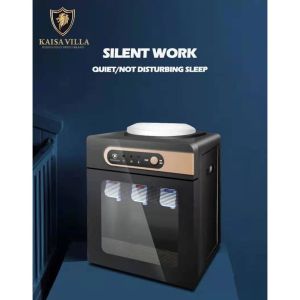
Kaisa Water Dispenser: A Compact Solution for Easy Access to Hot & Cold Water

CRYSALIS 33.8oz Soda Maker Streaming Machine Sparkling Water Sodarizer Portable Soda Stream Machine
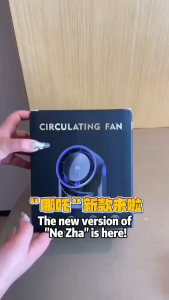
Usb Bladeless Fan Desktop Silent Wall Mounted Fan Home Office Indoor Camping Fan

Mist Fan Air Conditioner & Humidifier Fan: A Low Noise Table Fan with Colorful Night Light
![[COD] kunzhan 50Pcs 5cm Cute Mini Transparent Blank Fan Child Kids DIY Art Fan Wedding Birthday Party Favors Girlfriend Boyfriend Ideas Gift](https://img.lazcdn.com/g/p/ddf3168330f5bcdb22069076c1385668.jpg_300x300q80.jpg)