


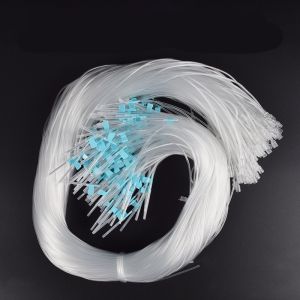
Comprehensive Guide to Veterinary Infusion Needles & Extensions
Comprehensive Guide to Veterinary Infusion Needles & Extensions
Introduction to Veterinary Infusion Needles
In the veterinary field, infusion needles play a vital role in delivering essential fluids and medications to animals. These needles are specifically designed to meet the unique needs of different animal species, ensuring safe and effective treatment. In this comprehensive guide, we will explore the various types of veterinary infusion needles, their applications, and best practices for using them.
Types of Veterinary Infusion Needles
There are several types of veterinary infusion needles available, including:
-
Hose Infusion Needles: These needles feature a flexible hose attached to the needle, allowing for easy insertion and removal. They are commonly used for intravenous (IV) infusions and blood transfusions.
-
Scalp Needles: Designed for subcutaneous (SQ) administration, these needles have a sharp tip that allows for quick and painless insertion into the skin. They are often used for administering vaccines, antibiotics, and other medications.
-
Infusion Tubes for Animals: These flexible tubes are used in conjunction with infusion needles to deliver fluids and medications directly into the bloodstream. They come in various sizes and materials to accommodate different animal species and treatment needs.
Applications of Veterinary Infusion Needles
Veterinary infusion needles are used in a wide range of applications, including:
-
Fluid Therapy: Administering fluids to animals suffering from dehydration, shock, or other conditions requiring fluid replacement.
-
Medication Delivery: Delivering medications directly into the bloodstream for faster absorption and more effective treatment.
-
Blood Transfusions: Transferring blood from a donor animal to a recipient animal in cases of severe anemia or blood loss.
Understanding Needle Extension Cables
Needle extension cables, also known as needle extension tubes, are flexible hoses that connect the infusion needle to the IV tubing. They provide several benefits, including:
Benefits of Using Needle Extension Cables
-
Improved Patient Comfort: By allowing the needle to remain in place while the IV tubing is moved, needle extension cables reduce patient discomfort and minimize the risk of accidental dislodgement.
-
Enhanced Mobility: Needle extension cables enable patients to move more freely during treatment, reducing stress and anxiety.
-
Reduced Risk of Contamination: By keeping the infusion needle separate from the IV tubing, needle extension cables help prevent contamination and infection.
Proper Installation of Needle Extension Cables
When installing a needle extension cable, follow these steps:
-
Connect the needle extension cable to the infusion needle.
-
Attach the other end of the needle extension cable to the IV tubing.
-
Secure the connection points to ensure a tight seal.
-
Monitor the patient closely during treatment to ensure proper functioning of the needle extension cable.
Choosing the Right Infusion Tube for Animals
Selecting the appropriate infusion tube for animals is crucial for effective treatment. When choosing an infusion tube, consider the following factors:
Factors to Consider When Selecting Infusion Tubes
-
Animal Species: Different animal species have unique anatomical features and treatment requirements. Choose an infusion tube that is specifically designed for the intended species.
-
Fluid Type: Some infusion tubes are better suited for certain types of fluids, such as blood, saline, or medication solutions. Select an infusion tube that is compatible with the intended fluid type.
-
Size and Material: Infusion tubes come in various sizes and materials to accommodate different animal species and treatment needs. Choose an infusion tube that is appropriate for the intended application.
Common Types of Infusion Tubes
Some common types of infusion tubes include:
-
Polyvinyl Chloride (PVC) Tubes: These flexible tubes are commonly used for IV infusions and blood transfusions.
-
Silicone Tubes: These soft, flexible tubes are ideal for SQ administration and can be used for both fluid therapy and medication delivery.
-
Polyurethane Tubes: These durable tubes are suitable for long-term IV infusions and can withstand repeated sterilization cycles.
Best Practices for Using Veterinary Scalp Needles
When using veterinary scalp needles, follow these best practices:
Safety Precautions for Using Scalp Needles
-
Proper Sterilization: Ensure that all scalp needles are properly sterilized before use to prevent infection.
-
Correct Insertion Technique: Use a gentle, steady hand to insert the scalp needle into the skin at the appropriate angle.
-
Monitoring for Complications: Monitor the patient closely during treatment to detect any signs of complications, such as infection or allergic reactions.
Proper Disposal of Used Scalp Needles
After use, dispose of scalp needles in a designated sharps container to prevent injury and contamination. Follow local regulations for proper disposal of medical waste.
Conclusion
Veterinary infusion needles and extensions play a crucial role in delivering essential fluids and medications to animals. By understanding the various types of infusion needles, their applications, and best practices for using them, veterinarians can provide safe and effective treatment for their animal patients. Remember to always prioritize patient safety and comfort when using veterinary infusion needles and extensions.

yoyopet
Review

You May Also Like

Pet Dog Cat House Kennel Super Large Instant Noodle Warm Dog Cat Nest Beds Cushion Cup Cozy Nest
Cat Teaser Interactive Stick Feather Toy
AUK 500g Medicinal Aquarium Salt: Aquarium Fish Diseases Treatment & Sterilization Salt Tablets
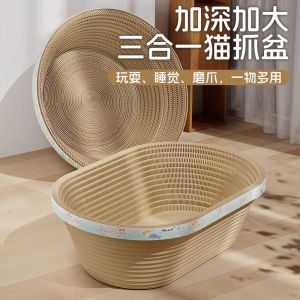
Extra Large Cat Scratching Board Bowl Shape Wear Resistant No Shedding Corrugated Paper Cat Claw Board Toy Cat Supplies

Pet Logic Meat Jerky Strips Dental Chews DOYPACK 70g Dog Treats Pet Grooming Oral Care
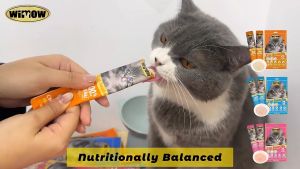
15gx50pcs Cat Treat 100% Tuna Kitten & Cat Snacks High Quality Cat Treats Snacks
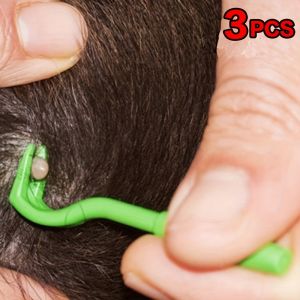
3Pcs Pet Flea Remover Tool Kit Plastic Scratching Hook Remover Pet Cat Dog Grooming Supplies Tick Picker Pet Accessories

Automatic Pet Water Feeder Hanging Style Cat Dog Drinking Fountain Rabbit Food Bowl Pet Water Supply Products
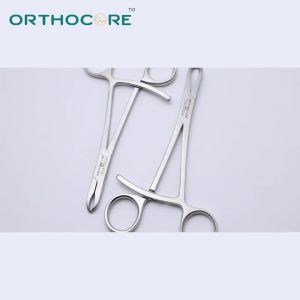
Bone Holding Forceps with JawsSerrated Bone Holding Forceps veterinary orthopedic equipments
Luscious PETPERO: Discover the Benefits of Waggy Bites Treats
DR VET Imidacloprid and Mexidectin Spot on Solution For cats over 4kg 0.8ml