


A Comprehensive Guide to Sensor Specifications: AK1/AP-3H & AK1/AN-3H
A Comprehensive Guide to Sensor Specifications: AK1/AP-3H & AK1/AN-3H
Introduction to Sensor Specifications
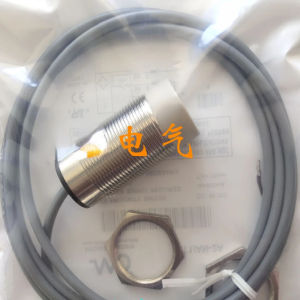
Welcome to our comprehensive guide on sensor specifications, specifically focusing on the AK1/AP-3H and AK1/AN-3H proximity sensors. This guide aims to provide you with a thorough understanding of the basics of sensor specifications, working principles, application scenarios, and how to choose the right sensor for your needs.
Understanding the Basics of Sensor Specifications
Before diving into the specifics of the AK1/AP-3H and AK1/AN-3H sensors, it's essential to understand the basics of sensor specifications. Sensors are devices that detect changes in physical properties and convert them into electrical signals. These signals can then be processed by other electronic components, such as microcontrollers, to perform various tasks.
Some common sensor specifications include:
- Model variations and color options
- Working principle and technology used
- Switch sensor output models
- Applicable scenarios and use cases
Overview of Proximity Sensors
Proximity sensors are a type of sensor that detects the presence of nearby objects without any physical contact. They are widely used in various industries, including automotive, manufacturing, and consumer electronics. Proximity sensors come in different types, such as inductive, capacitive, ultrasonic, and optical sensors.
In this guide, we will focus on inductive proximity sensors, specifically the AK1/AP-3H and AK1/AN-3H models. Inductive proximity sensors use the principle of electromagnetic induction to detect the presence of metallic objects. They consist of a coil, which generates a magnetic field, and a detection circuit that detects changes in the magnetic field caused by nearby metallic objects.
Detailed Specifications of AK1/AP-3H & AK1/AN-3H
Now that we have covered the basics of sensor specifications and proximity sensors, let's dive into the detailed specifications of the AK1/AP-3H and AK1/AN-3H sensors.
Model Variations & Color Options
The AK1/AP-3H and AK1/AN-3H sensors come in various models and color options, including:
- AK1/AP-3H
- AK1/AN-3H
- AK1/AP-1H
- AK1/AN-1H
- AK1/AP-2H
- AK1/AN-2H
- AK1/AP-4H
- AK1/AN-4H
- AT1/AP-1A
- AT1/AN-1A
- AT1/AN-2A
- AT1/AP-2A
- AT6/AN-3A
- AT6/AP-3A
These sensors are available in different colors, such as black, white, and gray.
Working Principle & Inductive Sensor Technology
As mentioned earlier, the AK1/AP-3H and AK1/AN-3H sensors use inductive sensor technology. This means they rely on the principle of electromagnetic induction to detect the presence of metallic objects.
The working principle of these sensors involves the generation of a magnetic field by a coil. When a metallic object enters the sensing range of the sensor, it causes a change in the magnetic field, which is detected by the detection circuit. This change in the magnetic field is then converted into an electrical signal that can be processed by other electronic components.
Switch Sensor Output Models
The AK1/AP-3H and AK1/AN-3H sensors come in different switch sensor output models, including:
- Normally open (NO)
- Normally closed (NC)
- Change-over (CO)
These output models determine how the sensor responds to the presence of a metallic object. For example, a normally open (NO) sensor will close its contacts when a metallic object enters its sensing range, while a normally closed (NC) sensor will open its contacts.
Application Scenarios & Real-World Examples
The AK1/AP-3H and AK1/AN-3H sensors can be used in various application scenarios, such as:
- Automotive industry: detecting the presence of metal parts during assembly
- Manufacturing industry: detecting the presence of metal objects on conveyor belts
- Consumer electronics: detecting the presence of metal objects in household appliances
Some real-world examples of these sensors being used include:
- In automotive assembly lines, these sensors can be used to detect the presence of metal parts during the assembly process.
- In manufacturing plants, these sensors can be used to detect the presence of metal objects on conveyor belts, ensuring that only the correct items are processed.
- In household appliances, these sensors can be used to detect the presence of metal objects, preventing damage to the appliance.
How to Choose the Right Sensor for Your Needs
When choosing the right sensor for your needs, consider the following factors:
- Sensing range: choose a sensor with a sensing range that meets your requirements.
- Operating voltage: choose a sensor with an operating voltage that matches your power supply.
- Output model: choose a sensor with an output model that suits your application.
- Color and size: choose a sensor with a color and size that fits your design requirements.
Ordering & Contact Information
If you have any questions about the product or want to order in large quantities, please contact us at W923336976@163.com or +8615200231096. We offer bulk order discounts and pricing, so don't hesitate to reach out for more information." }

oqwuwh
Review

You May Also Like
4 In 1 Detachable Window Screen Cleaner Brush with Handle Squeegee for Clean Windows Floors Glass Surfaces Wiper Scraper Grout Scrubber Screen Gap Brush Glass Cleaning Tools
ZHUYUN Portable Magnifying 10X Handheld 60 70 80 90 100mm Portable Magnifier
(2pcs) Bisagra Door Hinges Stainless Steel Ball Bearing Hinges Heavy Duty Hinge 3x33.5x3.54x44x35x3 Flat hinge
Pink Ladies Steel Toe Safety Shoes Anti Crush Breathable Air Cushioned Womens Work Shoes Fashionable Upgraded Design
4 Inch Drill Power Brush: Ultimate Cleaning Tool for Bathroom Floors & Tubs

1PCS Multi-Purpose Lever Tool: Stainless Steel Durable Locksmith Pry Bar

Adjustable Black Booster Shower Head 5 Modes Universal Massage Shower Sprayer Bathroom Accessories

Practical Magnetic Eyeglass Clip Fashion Jewelry PU Eyeglasses Strap Holder Suitable for Commuters and Travelers
20Pieces Furniture Leveling Set M8Threaded Adjustable Leg Extenders for Tables Chairs Cabinets Uneven Surfaces
XUHAN 12-150mm Carbide Tip TCT Drill Bit Hole Saw Drill Bit Set Hole Saw Cutter For Stainless Steel Metal Alloy Drilling
Ecoco Silicone Floor Drain Deodorant Pad Anti-odor Bathroom Floor Drain Cover Sink Water Stopper