


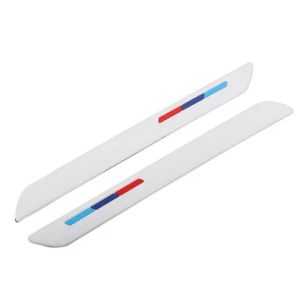
Universal Car Front & Rear Bumper Protector: A Comprehensive Guide
Universal Car Front & Rear Bumper Protector: A Comprehensive Guide
Introduction to Car Bumper Protectors
What Are Car Bumper Protectors?
Car bumper protectors, also known as corner scratch strips, rear bumper guards, rubber bumper protection, adhesive bumper plates, or bumper stickers, are protective devices that shield your car's front and rear bumpers from scratches, dents, and other damage caused by minor collisions, road debris, or accidental contact with objects such as shopping carts or other vehicles.
Types of Car Bumper Protectors
There are several types of car bumper protectors available on the market, including:
- Rubber bumper protectors: Made of flexible rubber material that conforms to the shape of your car's bumper and provides excellent protection against scratches and dents.
- Adhesive bumper plates: These are thin, adhesive-backed plates that stick directly to your car's bumper, providing a protective layer against minor damage.
- Corner guards: These protectors are specifically designed to cover the corners of your car's bumper, which are particularly vulnerable to damage.
Benefits of Using Car Bumper Protectors
Using car bumper protectors offers several benefits, such as:
- Protection against minor damage: Bumper protectors can help prevent scratches, dents, and other minor damage caused by collisions, road debris, or accidental contact.
- Enhanced appearance: Many bumper protectors are designed to enhance the appearance of your car's bumper, giving it a sleek and polished look.
- Easy installation: Most bumper protectors can be installed quickly and easily, without the need for professional assistance.
Choosing the Right Bumper Protector
Key Features to Look For
When selecting a car bumper protector, consider the following key features:
- Material: Choose a bumper protector made of high-quality materials that will provide durable protection against damage.
- Fit: Make sure the bumper protector fits your car's make and model, and consider the size and shape of your bumper when selecting a protector.
- Ease of installation: Look for a bumper protector that can be installed quickly and easily, without the need for special tools or professional assistance.
Factors to Consider When Selecting a Bumper Protector
In addition to the key features listed above, consider the following factors when choosing a bumper protector:
- Price: Compare prices from different manufacturers and retailers to find the best value for your money.
- Warranty: Check if the bumper protector comes with a warranty, which can provide peace of mind in case of any defects or issues.
- Customer reviews: Read customer reviews to get an idea of the quality and performance of the bumper protector before making a purchase.
Popular Options in the Market
Some popular options for car bumper protectors include:
- Universal Car Front Rear Bumper Protector Corner Guard Scratch Strip Sticker Rubber Black Auto Bumper Protection Adhesive Plate: This versatile bumper protector offers excellent protection against scratches and dents, and can be easily installed on most car makes and models.
Installation Guide
Tools & Materials Needed
To install a car bumper protector, you will need the following tools and materials:
- Bumper protector: The actual bumper protector you have purchased.
- Clean cloth: To clean the surface of your car's bumper before installation.
- Scissors: To cut the bumper protector to the correct size if necessary.
- Ruler or measuring tape: To measure the size of your car's bumper and ensure proper fit.
Step-by-Step Installation Process
Follow these steps to install your car bumper protector:
- Clean the surface of your car's bumper using a clean cloth and mild soap.
- Measure the size of your car's bumper using a ruler or measuring tape.
- Cut the bumper protector to the correct size if necessary, using scissors.
- Peel off the adhesive backing on the bumper protector.
- Carefully align the bumper protector with your car's bumper and press it firmly into place.
- Smooth out any air bubbles or wrinkles using a clean cloth.
Tips for a Smooth Installation Experience
To ensure a smooth installation experience, keep the following tips in mind:
- Clean the surface: Make sure the surface of your car's bumper is clean and free of dirt, oil, or other contaminants before installing the bumper protector.
- Measure carefully: Take accurate measurements of your car's bumper to ensure the bumper protector fits properly.
- Cut carefully: Cut the bumper protector to the correct size using scissors, being careful not to damage the adhesive backing.
- Align carefully: Carefully align the bumper protector with your car's bumper to ensure a smooth, even fit.
Maintaining Your Car Bumper Protector
Cleaning & Care Instructions
To keep your car bumper protector in good condition, follow these cleaning and care instructions:
- Regular cleaning: Clean the surface of the bumper protector regularly using a clean cloth and mild soap.
- Avoid harsh chemicals: Avoid using harsh chemicals or abrasive cleaners, which can damage the bumper protector.
- Check for wear: Inspect the bumper protector regularly for signs of wear or damage, and replace it if necessary.
Troubleshooting Common Issues
If you encounter any issues with your car bumper protector, try the following troubleshooting tips:
- Air bubbles or wrinkles: Smooth out any air bubbles or wrinkles using a clean cloth.
- Peeling or lifting edges: Reapply the adhesive backing to the edges of the bumper protector if they begin to peel or lift.
- Damage: Replace the bumper protector if it becomes damaged or worn out.
Extending the Lifespan of Your Bumper Protector
To extend the lifespan of your car bumper protector, follow these tips:
- Regular cleaning: Clean the surface of the bumper protector regularly to prevent dirt and grime buildup.
- Avoid harsh chemicals: Avoid using harsh chemicals or abrasive cleaners, which can damage the bumper protector.
- Inspect regularly: Inspect the bumper protector regularly for signs of wear or damage, and replace it if necessary.

GlobalLifestyle
You May Also Like
Rear Windshield Wiper Blade Windscreen Wipers Accessories For Toyota Land Cruiser 200 J200 2008-2020 2009 2010 2011 2012 2013
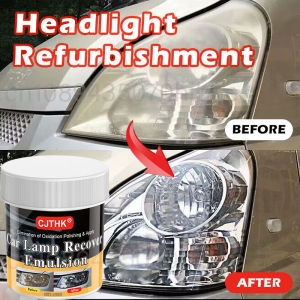
Car Headlight Restoration Polishing Kits Headlamp Scratch Remover Repair Cleaning Paste Remove Oxidation Headlight Polish Liquid
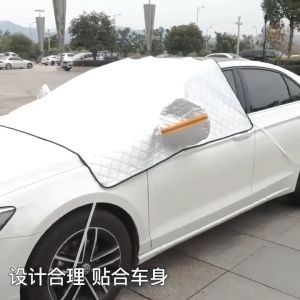
Car Sunshade Snow Cover Front Windshield Half-car Cover Thick Cotton Cream Anti-frost Rainproof Protector Car Accessories

For HONDA WAVE 100 /100R Motorcycle LED LCD Digital Meter Tachometer Gauge Speedometer Odemeter
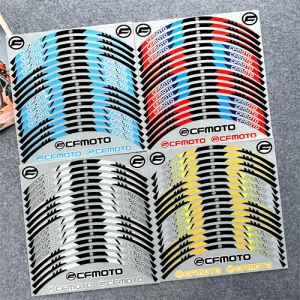
17\" Reflective Motorcycle Rim Hub Strips Decal Stickers For CFMoto 150NK 250SR 300NK 300SR 400NK 400GT 650NK 650GT 650MT
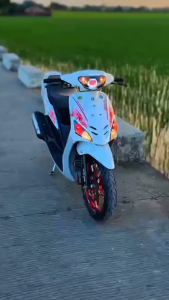
MIO SPORTY STICKER MIO SPORTY INDO CONCEPT STICKER MIO SPORTY FLOWER DECALS
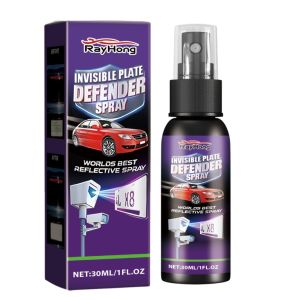
Rayhong Invisible Plate Protection Spray Effective Invisible Defense Transparent Coating Vehicle License Plate Number Spray 30ml
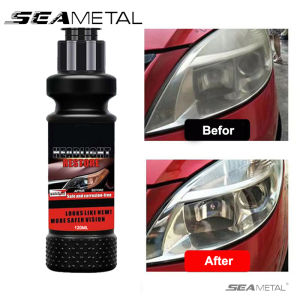
SEAMETAL Car Headlamp Repair Liquid Car Head Lamp Coating Renew Headlamp Wax Headlamp Restorer Brightener Motorcycle Lights Fluid Polish
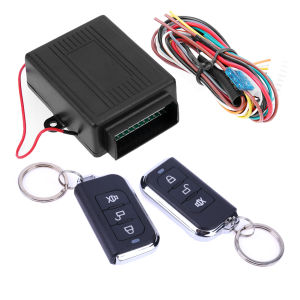
【Free Shipping】 Car Remote Central Door Lock Keyless System Opening Trunk Windows Remote Central Locking Kit Auto Accessories
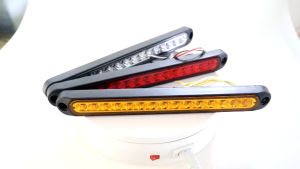
【COD+ 24-hour Delivery】1x Car Light Bar 15LED Bulbs for Car Truck SUV RV Brake Light Signal Side Marker Turn Signal Warning Rear Light 12v 24v
Manual Oil Pump Siphon Transfer Gas Oil Plastic Liquid Oil Pump Liquid Extractor Corrosion Resisting