


GI Nipple Pipe Fittings: A Comprehensive Guide
GI Nipple Pipe Fittings: A Comprehensive Guide
Understanding GI Nipple Pipe Fittings
What are GI Nipple Pipe Fittings?
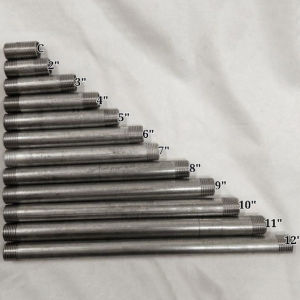
GI nipple pipe fittings are essential components used in plumbing systems and various industrial applications. They are typically made from galvanized iron (GI) and are designed to connect two pipes or tubes, allowing fluid to flow smoothly through the system. These fittings come in different sizes, schedules, and pressure ratings to cater to specific requirements.
Key Features of GI Nipple Pipe Fittings
Some key features of GI nipple pipe fittings include:
- Durability: GI nipple pipe fittings are known for their long-lasting performance due to the galvanized iron material.
- Corrosion Resistance: The galvanization process helps protect the fittings from corrosion, ensuring they maintain their integrity even in harsh environments.
- Versatility: These fittings can be used in various applications, including plumbing, HVAC systems, and industrial processes.
Applications of GI Nipple Pipe Fittings
GI nipple pipe fittings find applications in numerous industries, including:
- Plumbing Systems: Connecting pipes and tubes in residential and commercial buildings.
- HVAC Systems: Ensuring smooth airflow in heating, ventilation, and air conditioning systems.
- Industrial Processes: Facilitating fluid transfer in manufacturing plants and other industrial settings.
Choosing the Right GI Nipple Pipe Fitting
Size Considerations
When selecting a GI nipple pipe fitting, consider the size of the pipes or tubes that need to be connected. The fitting's size should match the diameter of the pipes to ensure a secure connection.
Material Selection
Galvanized iron is the most common material used for GI nipple pipe fittings due to its durability and corrosion resistance. However, other materials such as stainless steel and brass may be used depending on specific requirements.
Schedule & Pressure Ratings
GI nipple pipe fittings come in different schedules and pressure ratings to accommodate various applications. Ensure the chosen fitting meets the required schedule and pressure rating for your project.
Installation Tips for GI Nipple Pipe Fittings
Preparation Before Installation
Before installing a GI nipple pipe fitting, make sure to:
- Inspect the Fitting: Check for any defects or damage to the fitting before installation.
- Clean the Pipes: Clean the pipes or tubes to be connected to remove any dirt or debris.
- Measure the Distance: Measure the distance between the two pipes or tubes to determine the appropriate length of the nipple fitting.
Step-by-Step Installation Process
To install a GI nipple pipe fitting, follow these steps:
- Align the Pipes: Align the two pipes or tubes that need to be connected.
- Insert the Nipple: Insert the nipple fitting into the pipes, ensuring it is centered and aligned properly.
- Secure the Fitting: Use appropriate tools such as wrenches or pliers to secure the fitting in place.
Post-Installation Maintenance
To maintain the performance of GI nipple pipe fittings, follow these tips:
- Regular Inspections: Regularly inspect the fittings for any signs of wear or damage.
- Cleaning: Clean the fittings periodically to remove any dirt or debris that may accumulate.
- Repairs: Address any issues promptly to prevent further damage and ensure the system continues to function properly.

Glad Mart
You May Also Like
Solar Lantern Outdoor Solar Lights for Outside Decorative Outdoor Hanging Lights Waterproof Solar Lanterns yard garden lamp
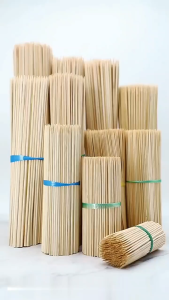
100pcs Disposable Bamboo Barbecue Sticks - Sturdy Smooth Good to Use for Business and Family Event
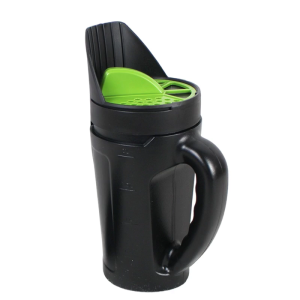
Practical Hand Spreader Plastic Texture for Lawn & Garden Seed Fertilizers & Ice Melts Featuring Multiple Opening Sizes
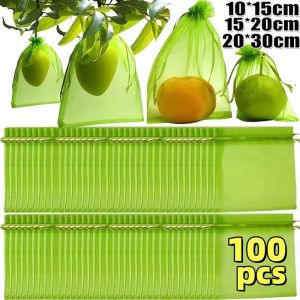
100/50Pcs Fruit Protection Bags with Drawstring Fruit Protection Mesh Bag Protective Pouches for Strawberry Organza Gift Bags
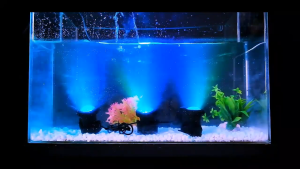
Waterproof 1/2/3 LED Pool Light Solar Power Light Submersible Lamps Projector Light Garden Solar LED Light Underwater Pond Light

【BUY 1 TAKE 1】Growth Vitamins for Plants Organic Fertilizer Rooting Hormone Growth Enhancer Nutrient Supplement Rapid Growth Boost Healthy Growth Increase Resistance to Pests and Diseases Increase Yields
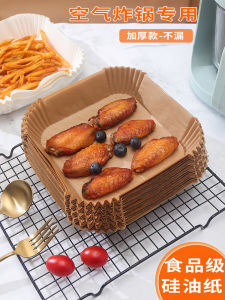
Thickened Food Grade Air Fryer Paper Square Large Size Baking Oven Paper Microwave Safe Non-Stick Kitchen Cooking Tools
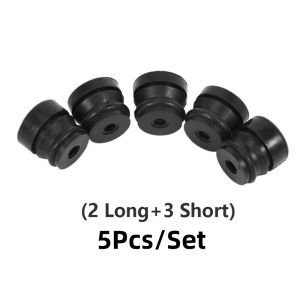
5PCs/SetAV Buffer Shock Mounting Kit for Chinese Chainsaw 4500/5200/5800
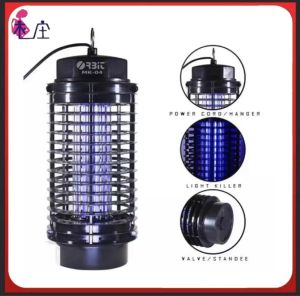
Mosquito Killer UV Lamp Electric Insect Killer Pest Control Lamp/LED Color-Control Fly Insect Zapper
1PC Rebar Tie Wire Twister Semi-automatic Concrete Metal Wire Twisting Fence Tool Straight Hook

Dried Acacia Leaves Powder - All Natural Soil Additive for Garden Soil and Potting Mix