



Wall Repair Paint: A Comprehensive Guide
Wall Repair Paint: A Comprehensive Guide
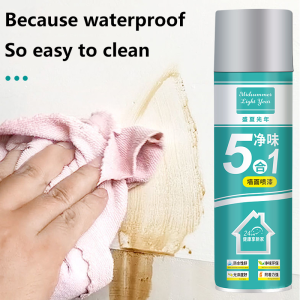
Wall repair paint is a versatile solution for addressing imperfections on walls and ceilings. This guide will cover the key features and benefits of wall repair paint, types available, how to choose the right one, application techniques, and more.
What is Wall Repair Paint?
Wall repair paint is a specially formulated paint designed to conceal cracks, holes, and other minor surface imperfections on walls and ceilings. It is thicker than regular paint, allowing it to fill in gaps and provide a smooth finish. Wall repair paint comes in various forms, including spray paint, water-based, and stain covering options.
Key Features & Benefits
- Conceals cracks, holes, and other minor imperfections
- Thick consistency fills gaps and provides a smooth finish
- Available in spray paint, water-based, and stain covering options
- Dries quickly, allowing for fast touch-ups
- Easy to apply, even for DIY enthusiasts
Types of Wall Repair Paint
There are three main types of wall repair paint:
- Spray Paint: Ideal for quick touch-ups and easy application.
- Water-Based Paint: Offers low odor and easy cleanup.
- Stain Covering Paint: Specifically designed to cover stains and discolorations.
Choosing the Right Wall Repair Paint
When selecting a wall repair paint, consider the following factors:
- Surface Type: Different paints work better on specific surfaces, such as drywall, wood, or concrete.
- Coverage: Stain covering paint is ideal for hiding stains and discolorations.
- Odor: Odorless water-based paint is a great choice for indoor use.
- Application Method: Spray paint is convenient for quick touch-ups, while water-based paint is ideal for larger areas.
Wall Repair Paint vs. Regular Paint
Wall repair paint differs from regular paint in several ways:
- Thickness: Wall repair paint is thicker, allowing it to fill gaps and provide a smooth finish.
- Coverage: Stain covering paint is specifically designed to cover stains and discolorations.
- Application: Wall repair paint can be applied using spray cans, brushes, or rollers, depending on the type and surface.
Indoor Ceiling Paint & Odorless Water-Based Paint
Indoor ceiling paint is designed specifically for ceilings and provides a smooth finish. Odorless water-based paint is perfect for indoor use, as it has minimal odor and is easy to clean up.
How to Use Wall Repair Paint
To achieve the best results with wall repair paint, follow these steps:
Preparing the Surface
- Clean the surface thoroughly to remove dirt, dust, and debris.
- Sand any rough areas to ensure a smooth finish.
- Fill any large holes or cracks with spackle or joint compound.
Application Techniques
- Apply the wall repair paint using a brush, roller, or spray can, depending on the type and surface.
- Apply thin, even coats, allowing each coat to dry before applying the next.
- For best results, apply multiple thin coats rather than one thick coat.
Tips for a Smooth Finish
- Sand lightly between coats to remove any bumps or imperfections.
- Feather the edges of the paint to blend it seamlessly with the surrounding surface.
- Allow the paint to dry completely before applying any final touches or decorations.
Stain Covering Paint & Drywall Repair Paint
Stain covering paint and drywall repair paint are two specialized types of wall repair paint that address specific issues.
Understanding Stain Covering Paint
Stain covering paint is formulated to conceal stains and discolorations on walls and ceilings. It is ideal for covering water damage, smoke stains, or other stubborn marks.
Drywall Repair Paint: A Closer Look
Drywall repair paint is designed specifically for repairing drywall surfaces. It fills in gaps, cracks, and holes while providing a smooth finish. Drywall repair paint is available in both water-based and stain covering options.
Combining Wall Repair Paint & Stain Covering Paint
For optimal results, consider combining wall repair paint with stain covering paint. First, apply the wall repair paint to fill in gaps and cracks, then use the stain covering paint to conceal any remaining discolorations.
In conclusion, wall repair paint is a versatile solution for addressing imperfections on walls and ceilings. By choosing the right type of wall repair paint and following proper application techniques, you can achieve a smooth, professional-looking finish that conceals cracks, holes, and other minor surface imperfections.

bosston tools
You May Also Like

ARMAK Electrical Tape: Original Wholesale Prices & Usage Guide
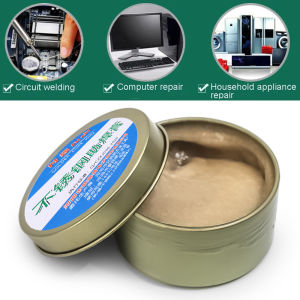
On Sale: 3Pcs Soldering Flux Paste Solder High Intensity Welding Paste
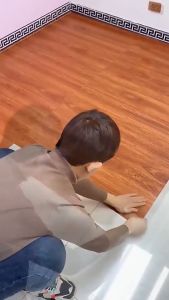
Wooden Vinyl Floor Stickers Self-adhesive PVC Vinyl Wood Tiles For Flooring 2mm thick 91X15cm
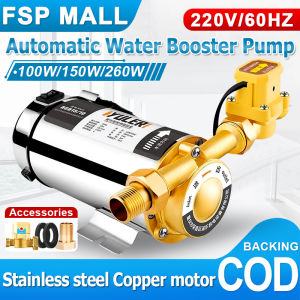
Automatic Booster Pump 220V 100W/150W/260W Stainless Steel Shower Washing Machine Electronic Automatic Booster Water Pump Jet Booster Pump Automatic Home Water Boosting Pump
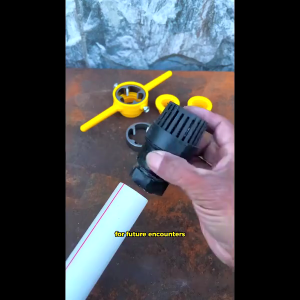
Wrench Specialized Plastic Pipe Threading Mold External Threading Processing for Plastic Pipe Repair
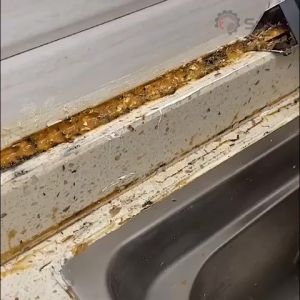
5 In 1 Silicone Scraper Sealant Smooth Remover Tool Set Caulking Finisher Smooth Grout Kit Floor Mould Removal Hand Tools Set
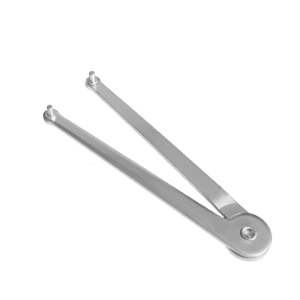
Double Hook Angle Grinder Spanner Black Silver Color Option Metal Stamping Technology Two Size Choice

HONI RJ45 Crimp Tool: All-in-One Cat6 Crimping Solution

E1023510 Pressing Cap Dismantling Device: A Comprehensive Guide
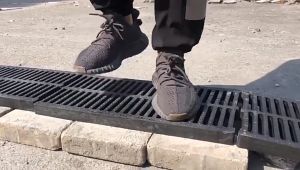
Drain Cover Trench Coverplate Sewer Cover Floor Drain Cover Rainwater Grate Resin Gutter Cover
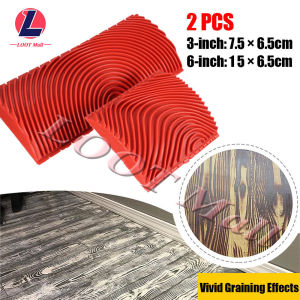
2pcs Rubber Wood Grain Painting Tool: A DIY Guide to Vivid Imitation Wood Graining