


GI Nipple Pipe Fittings: A Comprehensive Guide
GI Nipple Pipe Fittings: A Comprehensive Guide
Introduction to GI Nipple Pipe Fittings
What Are GI Nipple Pipe Fittings?
GI nipple pipe fittings, also known as galvanized iron nipple pipe fittings, are essential components used in plumbing systems. They are designed to connect two pipes together, ensuring a secure and leak-free connection. These fittings are widely used in residential, commercial, and industrial applications due to their durability and cost-effectiveness.
Applications of GI Nipple Pipe Fittings
GI nipple pipe fittings are commonly used in various plumbing applications, including water supply systems, drainage systems, HVAC systems, and fire protection systems. They are suitable for both indoor and outdoor installations and can withstand harsh environmental conditions.
Understanding GI Nipple Pipe Fittings Specifications
Dimensions & Materials
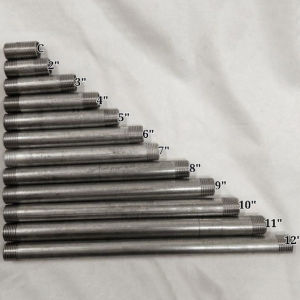
GI nipple pipe fittings come in various dimensions and materials to meet different application requirements. The dimensions include the pipe diameter, nipple length, and thread size. The material used for these fittings is typically galvanized iron, which provides excellent corrosion resistance and durability.
Schedule 30 Explained
Schedule 30 is a standard wall thickness designation for pipe fittings, including GI nipple pipe fittings. It specifies the thickness of the pipe wall, which affects the pressure rating and overall strength of the fitting. Schedule 30 fittings are suitable for low-pressure applications, such as water supply systems.
Other Important Specifications
Other important specifications to consider when selecting GI nipple pipe fittings include the thread type (e.g., NPT, BSP), connection method (e.g., threaded, flanged), and pressure rating. These specifications ensure that the fitting is compatible with the existing plumbing system and meets safety standards.
How to Install GI Nipple Pipe Fittings
Tools Required for Installation
To install GI nipple pipe fittings, you will need the following tools: wrenches, pliers, pipe cutter, pipe threader, and Teflon tape or pipe dope. These tools help ensure a secure and leak-free connection between the pipes.
Step-by-Step Installation Process
- Cut the pipe to the desired length using a pipe cutter.
- Thread the pipe ends using a pipe threader.
- Apply Teflon tape or pipe dope to the threads.
- Insert the GI nipple pipe fitting between the two pipes.
- Tighten the connection using wrenches or pliers.
Troubleshooting Common Installation Issues
Common installation issues include loose connections, leaks, and damage to the threads. To avoid these issues, ensure that the pipes and fittings are clean and free from debris before installation. Follow the manufacturer's instructions and use appropriate tools for the job.
Benefits of Using GI Nipple Pipe Fittings
Cost-Effectiveness
GI nipple pipe fittings offer excellent value for money due to their low cost and long service life. They are a cost-effective alternative to more expensive materials, such as stainless steel or copper.
Durability & Longevity
GI nipple pipe fittings are known for their durability and longevity. They can withstand harsh environmental conditions and resist corrosion, making them suitable for both indoor and outdoor installations.
Ease of Installation & Maintenance
GI nipple pipe fittings are easy to install and maintain, requiring minimal tools and expertise. They are compatible with various plumbing systems and can be easily replaced if necessary.
Conclusion & Final Thoughts
GI nipple pipe fittings are essential components used in plumbing systems, offering cost-effectiveness, durability, and ease of installation. By understanding their specifications, installation process, and benefits, you can make informed decisions when selecting and installing these fittings in your plumbing projects.

Lucky Mart-Hardware
You May Also Like
Free Flower Pots: Tropical Plant Decoration with 94cm Artificial Palm & 24PCS Artificial Plant
Stone Floor Road Mold Reusable Floor Molding Machine Mold DIY Manually Handmade Practical Portable Multi-function Garden Tools

Plants Growth Vitamins growth enhancer organic fertilizer rooting hormone for all vegetables flowers ornamental plant

100PCS Disposable Bamboo Skewers Set: Outdoor Grilling & Barbecue Sticks
6pc Plant Rooting Ball S-l High Pressure Graft Breeding Case Nursery Box Propagation Jardinage Plant Root Pot Garden Accessories
~Glitter Miniature Resin Duck Mini Tiny Ducks for DIY Garden Micro Landscape Aquarium Potted Dollhouse Decoration Decor
100PCS PVC Pots Nursery 15CM 17CM Seedling Flower Plant Container For Flower Seedling
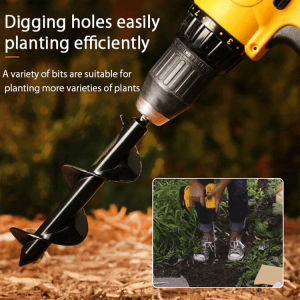
Garden Ground Drill Planting Weeding and Loosening Short Pole Flower Vegetable Garden Machine: A Comprehensive Guide
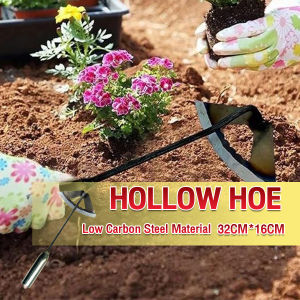
ItemMart Hollow Hoe Durable Weeding Rake Handheld Hoeing Garden Pine Soil Farm Tool Weeding Tools
![[Local Shipment]16mm Hole Punches Drip Agricultural Irrigation Drip Tape Hose Pipe Puncher Tool](https://img.lazcdn.com/g/p/27ba87474a2f5542f1b6f56fa659ae95.jpg_300x300q80.jpg)
[Local Shipment]16mm Hole Punches Drip Agricultural Irrigation Drip Tape Hose Pipe Puncher Tool
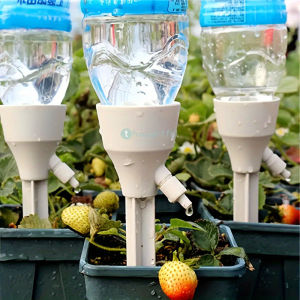
3Pcs Automatic Drip Irrigation System DIY Automatic Plant Waterers Taper Watering Water