


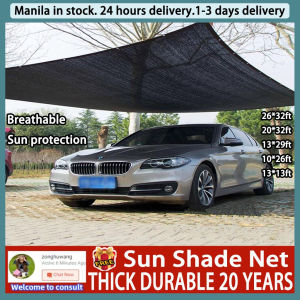
[24 Hours Ship] Sunshade Net Anti-UV 90% Outdoor Garden 18 Pin Net Farm Net Greenhouse Net Sunscreen Sunshade Shelter Pergola Canopy Sun Cover Agriculture Greenhouse
[24 Hours Ship] Sunshade Net Anti-UV 90% Outdoor Garden 18 Pin Net Farm Net Greenhouse Net Sunscreen Sunshade Shelter Pergola Canopy Sun Cover Agriculture Greenhouse
Introduction to Sun Cover for Agriculture
Sun covers have become increasingly popular among farmers and garden enthusiasts due to their numerous benefits. These versatile solutions help protect plants from harsh sunlight, extreme temperatures, and pests, ultimately leading to improved crop yields and plant health. This article will guide you through the process of selecting, installing, and maintaining a sun cover that best suits your needs.
Understanding Sun Cover Types
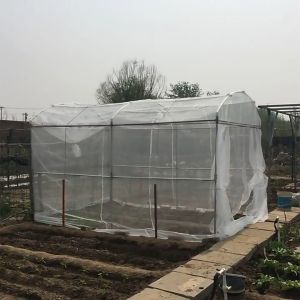
There are several types of sun covers available, including sunshade nets, greenhouse nets, and pergola canopy shelters. Each type serves a specific purpose and has unique features that cater to different gardening requirements. Sunshade nets, like the Anti-UV 90% Sunscreen, offer excellent protection against harmful UV rays, while greenhouse nets, such as the 18 Pin Greenhouse Net, provide a balanced environment for plant growth. Pergola canopy shelters, on the other hand, serve as both sun covers and attractive garden accents.
Key Benefits of Sun Covers
Sun covers offer numerous benefits for agriculture and gardening, including:
- Protection against harsh sunlight and extreme temperatures
- Reduced water evaporation and irrigation costs
- Prevention of pest infestations
- Improved crop yields and plant health
- Enhanced appearance of outdoor spaces
Choosing the Right Sun Cover for Your Needs
When selecting a sun cover, consider the specific requirements of your garden or farm. Factors such as climate, soil conditions, and plant species will influence your decision. Assess your garden's exposure to sunlight, wind, and precipitation to determine the appropriate level of protection needed. Additionally, evaluate the materials used in sun covers, such as polyethylene, polypropylene, or polyester, to find the most suitable option for your needs.
Installing & Maintaining Your Sun Cover
Proper installation and maintenance are crucial for maximizing the effectiveness of your sun cover. Follow these steps to ensure a successful setup:
- Measure the area requiring coverage and choose the appropriate size sun cover.
- Install the support structure, such as poles or frames, according to the manufacturer's instructions.
- Attach the sun cover to the support structure using clips, ties, or stakes.
- Secure the edges of the sun cover to prevent wind damage.
Regular maintenance is essential for extending the life of your sun cover. Clean the cover periodically to remove dirt, debris, and pests. Inspect the support structure and attachments for signs of wear or damage, and make repairs as needed.
Maximizing Sun Cover Performance
To optimize the performance of your sun cover, consider the following tips:
- Place the sun cover strategically to provide adequate shade while allowing air circulation.
- Combine sun covers with other gardening techniques, such as mulching and proper irrigation, to further enhance plant growth.
- Monitor the temperature and humidity levels within the covered area to ensure a balanced environment for plant growth.
By following these guidelines, you can effectively utilize sun covers to protect your plants, improve crop yields, and enhance the appearance of your outdoor spaces." }

Dole Shopping
Review
You May Also Like
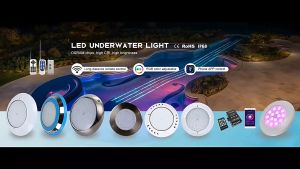
Emauxi RGB Underwater Waterproof Fountain Spotlight: A Comprehensive Guide
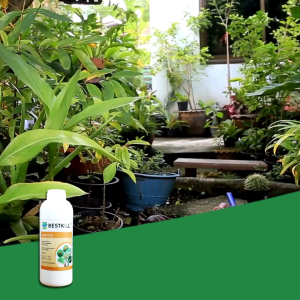
B2T1 BESTKILL 1L 2PCS + RED MAGIC 1L 1PC FOR YOUR PLANT

1kg Premium Cow Manure - Ready for Potting Mix Soil Tea Fertilizer Pataba sa Haman Pampabunga Pataba sa Palay
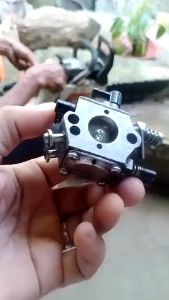
【COD + Local Seller】General Replacement Carburetor for Chinese Gasoline Chainsaw 43F 45F 45cc 52cc 58cc
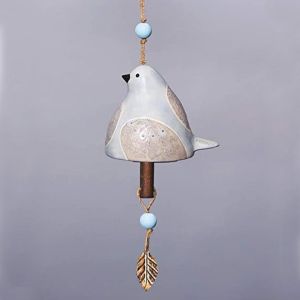
European Style Creative Cartoon Bird Wind Chimes Resin Craft Hanging Ornament Garden Courtyard Bar Coffee Shop Window Decorations
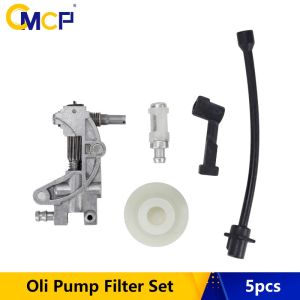
CMCP 5pcs Oil Pump Filter Pipe Hose Line Oil Nozzle Turbine Kit For 4500 5200 5800 45CC 52CC 58CC Gasoline Chainsaw Spare Parts
BAIPUXI Cordless Lawn Mower: A Comprehensive Guide
White Mosquito Netting: A Comprehensive Guide
(Fast Delivery)Heavy Silver-gray Metal Shovel with D-shaped steel handle Pointed/Flat suitable for gardening and digging
8 FT LAPAD 15 FT HABA/BILARAN NG PALAY/FINE NET/WASHABLE/SHADE NET SUN PROTECTION/GARDEN NET/ANTI-LANGAW
Household Air Fryer Universal Type Baking Tray High Temperature Resistant Oil Absorbing Paper Pad for BBQ And Oven Cooking