


Patient Moving Belt & Wheelchair Transfer Support: A Guide for Elderly Patient Care
Patient Moving Belt & Wheelchair Transfer Support: A Guide for Elderly Patient Care
Elderly patient care requires a comprehensive approach to ensure the safety, comfort, and well-being of patients. In this guide, we will explore the benefits of using a patient moving belt, wheelchair transfer support, and complementary bed care assistance devices. We will discuss the different types of patient moving belts available, proper techniques for using them, safety precautions, and how to integrate these tools with other equipment to provide optimal care for elderly patients.
What is a Patient Moving Belt?
A patient moving belt is a specialized tool designed to assist caregivers in safely transferring elderly patients from one position to another. These belts come in various types, each tailored to specific needs and preferences. They are typically made from durable materials like nylon or polyester, with reinforced stitching and adjustable straps for secure fitting.
Understanding the Benefits of Patient Moving Belts
Patient moving belts offer numerous benefits for both caregivers and patients. By providing a secure grip, these belts help reduce the risk of injury during transfers, ensuring a safer and more comfortable experience for all involved. Additionally, patient moving belts can help minimize the physical strain on caregivers, reducing the likelihood of musculoskeletal injuries and improving overall job satisfaction.
Types of Patient Moving Belts Available
There are several types of patient moving belts available, including:
- Single-point lifting belts: These belts feature a single point of attachment, making them ideal for transferring patients from one position to another.
- Two-point lifting belts: With two points of attachment, these belts provide additional support and stability during transfers.
- Three-point lifting belts: Offering three points of attachment, these belts are suitable for patients requiring maximum support during transfers.
Choosing the Right Patient Moving Belt for Your Needs
When selecting a patient moving belt, consider factors such as the patient's weight, mobility level, and any specific medical conditions that may affect their ability to transfer safely. Additionally, assess the caregiver's strength and experience to determine which type of belt will provide the most effective support during transfers.
How to Use a Patient Moving Belt
Using a patient moving belt requires proper technique and adherence to safety precautions to ensure a successful transfer. In this section, we will discuss the correct way to use a patient moving belt, as well as tips for effective usage.
Proper Technique for Using a Patient Moving Belt
To use a patient moving belt effectively, follow these steps:
- Ensure the patient is positioned correctly on the bed or chair.
- Secure the belt around the patient's waist, adjusting the straps as needed for a comfortable fit.
- Position yourself behind the patient, grasping the belt at the designated lifting points.
- Instruct the patient to push off the surface they are transferring from, using their arms and legs for support.
- Lift the patient slowly and steadily, maintaining proper form and posture throughout the transfer.
Safety Precautions When Using a Patient Moving Belt
To minimize the risk of injury during transfers, it is essential to adhere to safety precautions, including:
- Always assess the patient's condition and mobility level before attempting a transfer.
- Ensure the patient is wearing appropriate clothing that will not interfere with the belt's fit or function.
- Use proper lifting techniques to avoid straining your back or other muscles.
- Communicate clearly with the patient throughout the transfer process.
Tips for Effective Patient Moving Belt Usage
To maximize the benefits of using a patient moving belt, consider these tips:
- Practice proper body mechanics and maintain good posture during transfers.
- Encourage the patient to participate actively in the transfer process.
- Regularly inspect the belt for signs of wear or damage, replacing it as needed.
Bed Care Assistance Devices: Complementary Tools for Elderly Patient Support
In addition to patient moving belts, bed care assistance devices play a crucial role in providing comprehensive elderly patient support. These devices help caregivers perform tasks such as repositioning, turning, and bathing patients safely and efficiently.
The Role of Bed Care Assistance Devices in Elderly Patient Care
Bed care assistance devices offer numerous benefits for both caregivers and patients. They help reduce the physical strain on caregivers, minimize the risk of injury during transfers, and improve the overall quality of care provided to elderly patients.
Common Bed Care Assistance Devices & Their Uses
Some common bed care assistance devices include:
- Transfer boards: These boards provide a stable surface for patients to slide across during transfers.
- Turning aids: Turning aids help caregivers safely reposition patients in bed, reducing the risk of pressure sores.
- Bathing chairs: Bathing chairs offer a secure and comfortable way for patients to bathe while seated.
Integrating Bed Care Assistance Devices with Patient Moving Belts
To maximize the effectiveness of elderly patient care, it is essential to integrate bed care assistance devices with patient moving belts. By combining these tools, caregivers can provide a comprehensive support system that addresses various aspects of patient care, including transfers, repositioning, and bathing.
Wheelchair Transfer Support: Enhancing Mobility for Elderly Patients
Wheelchair transfer support is another critical aspect of elderly patient care. These techniques and devices help caregivers safely transfer patients to and from wheelchairs, enhancing their mobility and independence.
Understanding the Importance of Wheelchair Transfer Support
Wheelchair transfer support plays a vital role in elderly patient care by enabling patients to maintain their mobility and independence. By providing safe and effective transfer techniques, caregivers can help patients maintain their quality of life and overall well-being.
Techniques for Safe Wheelchair Transfers
When transferring patients to and from wheelchairs, it is essential to use proper techniques and adhere to safety precautions. Some common transfer techniques include:
- Slide board transfers: These transfers involve using a slide board to assist the patient in sliding from one surface to another.
- Gait belt transfers: Gait belt transfers involve using a gait belt to secure the patient during the transfer process.
- Mechanical lifts: Mechanical lifts use hydraulic systems to lift and transfer patients safely.
Combining Wheelchair Transfer Support with Patient Moving Belts
By combining wheelchair transfer support with patient moving belts, caregivers can provide a comprehensive support system that addresses various aspects of elderly patient care. This integrated approach helps ensure the safety, comfort, and well-being of both patients and caregivers.
Conclusion: Empowering Elderly Patient Care with Patient Moving Belts & Complementary Tools
In conclusion, patient moving belts, wheelchair transfer support, and bed care assistance devices play a vital role in providing comprehensive elderly patient care. By understanding the benefits of these tools and integrating them effectively, caregivers can empower elderly patients to maintain their mobility, independence, and overall well-being." } }

GOODBAI
You May Also Like
Thumb Brace Thumb Support Splints Right Hand & Thumb Splints Left Hand Wrist & Thumb Support Thumb Stabilizer

Dopamine patch mood relief patch continuous release of dopamine regulating mood relieving fatigue providing emotional support moisturizing the skin多巴胺贴片
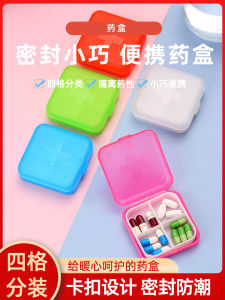
Portable Mini Medicine Box Pill Organizer Compact Travel Size Drug Storage Container Easy to Carry Home Organization Tool
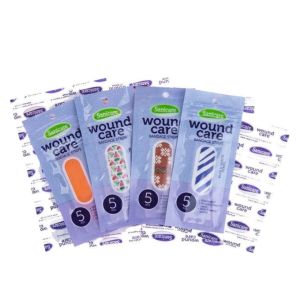
Sanicare Wound Care Bandage Strips (Pack of 1)
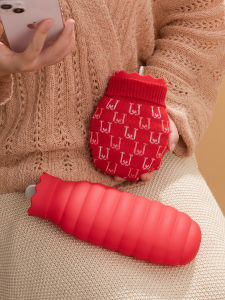
Large Silicone Rubber Hot Water Bag: Menstrual Pain Relief & Explosion-Proof Hand Warmer
Portable Nebulizer & Hydrating Tools: A Guide for Parents
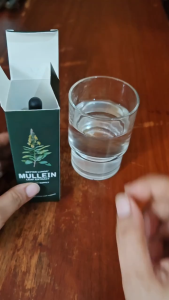
【Ready Stock】Mullein Leaf Extract Drops Powerful Lung Support Cleanse & Respiratory Drops
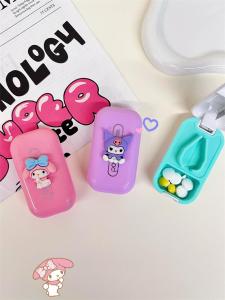
Portable Travel Medicine Cutter: Three Liouue Half Splitter Tablet Cutter & Sealed Box Light Blocking Medicine Organizer

InoGlow : Myo-Inositol & D-Chiro Inositol Supplement for Women | Fertility Supplements for Hormonal Balance & Ovarian Health Support

Weekit7 Organic Acai Berry Powder Anti-Aging Strawberry Cherry 7 in 1 Berry Beauty Whitening Drink FDA Approved
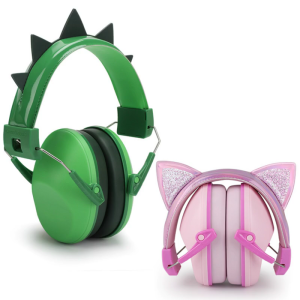
Kids Ear Protections Headphones Sound Blocking Child Hearing Protections Earmuffs Hearing Protectors for Studying