


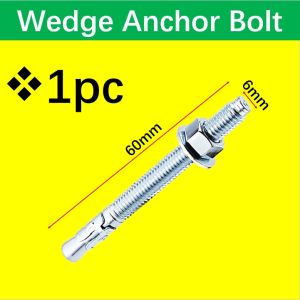
Mago 6-8-10-12mm Wedge Anchor Bolts: Heavy Duty Fasteners for Concrete
Mago 6-8-10-12mm Wedge Anchor Bolts: Heavy Duty Fasteners for Concrete
Introduction to Mago Wedge Anchor Bolts
Mago Wedge Anchor Bolts are high-quality concrete bolts designed to provide strong, reliable fastening solutions for construction projects. These heavy-duty fasteners are made from galvanized steel, making them resistant to corrosion and rust. In this article, we will explore the benefits of using Mago Wedge Anchor Bolts, how to choose the right one for your project, installation instructions, troubleshooting common issues, and why they are essential for construction projects.
What Are Mago Wedge Anchor Bolts?
Mago Wedge Anchor Bolts are designed specifically for concrete fastening applications. They consist of a bolt with a wedge-shaped sleeve that expands when tightened, creating a secure connection between the bolt and the concrete. These bolts are available in various sizes, ranging from 6mm to 12mm, to accommodate different load requirements and project specifications.
Benefits of Using Mago Wedge Anchor Bolts
Using Mago Wedge Anchor Bolts offers several advantages, including:
- High tensile strength and load-bearing capacity
- Galvanized steel construction for corrosion resistance
- Easy installation process
- Versatile applications in various construction projects
How to Choose the Right Mago Wedge Anchor Bolt
Selecting the appropriate Mago Wedge Anchor Bolt for your project requires considering several factors. This section will guide you through the decision-making process.
Factors to Consider When Selecting a Mago Wedge Anchor Bolt
When choosing a Mago Wedge Anchor Bolt, consider the following factors:
- Load requirements: Determine the weight and force that the anchor will need to support.
- Concrete type: Ensure the bolt is compatible with the type of concrete used in your project.
- Diameter and length: Select the appropriate size based on the hole diameter and depth required.
Understanding the Differences Between Various Types of Mago Wedge Anchor Bolts
Mago Wedge Anchor Bolts come in different sizes, including 6mm, 8mm, 10mm, and 12mm. Each size has its own load-bearing capacity and is suitable for specific applications. Familiarize yourself with the differences between these sizes to make an informed decision.
Installation Guide for Mago Wedge Anchor Bolts
Installing Mago Wedge Anchor Bolts is a straightforward process that requires minimal tools and equipment. This section will provide a step-by-step guide to help you install these bolts safely and effectively.
Tools Required for Installing Mago Wedge Anchor Bolts
To install Mago Wedge Anchor Bolts, you will need the following tools:
- Drill
- Drill bits
- Hammer
- Socket wrench or ratchet
Step-by-Step Instructions for Installing Mago Wedge Anchor Bolts
Follow these steps to install Mago Wedge Anchor Bolts:
- Mark the location for the anchor bolt on the concrete surface.
- Drill a hole using a drill bit that matches the diameter of the wedge anchor bolt.
- Insert the wedge anchor bolt into the drilled hole.
- Tighten the nut using a socket wrench or ratchet until the wedge expands and creates a secure connection.
- Repeat the process for additional anchor bolts as needed.
Troubleshooting Common Issues with Mago Wedge Anchor Bolts
While Mago Wedge Anchor Bolts are generally reliable, some issues may arise during installation or use. This section will help you identify and resolve common problems.
Identifying Problems with Mago Wedge Anchor Bolts
Common issues with Mago Wedge Anchor Bolts include:
- Inadequate expansion of the wedge
- Loose anchor bolts
- Damage to the concrete surface
Solutions for Common Issues with Mago Wedge Anchor Bolts
To address these problems, follow these solutions:
- Ensure proper drilling depth and diameter
- Tighten the nut securely
- Inspect the concrete surface for damage before installation
Conclusion: Why Mago Wedge Anchor Bolts Are Essential for Construction Projects
Mago Wedge Anchor Bolts are essential for construction projects due to their high tensile strength, load-bearing capacity, and ease of installation. By choosing the right size and following proper installation procedures, you can ensure a safe and reliable fastening solution for your construction project. Investing in Mago Wedge Anchor Bolts will provide long-lasting performance and peace of mind.

Mago Machinery
Review
You May Also Like
Precision Electric Screwdriver Handle 6 in 1 Power Tools Rechargeable Wireless Mini Small Bits for Xiaomi Mobile Cell Repair New

BEST SELLER HIGH ADHESIVE STRENGTH DOUBLE-SIDED MESH DUCT TAPE | 2CM X 10 M | Heavy Duty Universal Strong Multifunctional Adhesive Mesh Duct Tape | Super Sticky Household Clear Tape | Fiberglass Tear Resistant Cloth Double-sided Tape | Multi Purpose Tape
Bella Room's Innovative Handle Holders: 2/4Pcs Multifunctional Leaf Shape Plastic Handle Holder Non-contact Toilet Seat Lifter Self Adhesive Cabinet Handle
2lb/2.5lb/3lb Hammer Ergonomic Handle Small Portable Home Tool Woodworking Hand Tools Multifunctional Window Breaker

4/8Pcs Free Punching Seamless Paste Storage RackWallMounted Multifunctional Round Hooks Kitchen Bathroom Household Ring Hangers

Copper Soldering Iron Tips Circuit Board Soldering Tip Flat Thermal Tips Upgrades for Professional leading Frees Welding

Electric Drill Metal Sheet Plate Cutter: A Comprehensive Guide

Voltstack Mobile Lighting Kit: Compact Solar System & Portable Outdoor Lighting
![[COD] CHENJ KITCHEN Lint Roller Refills Sticky Remover Pet Dog Hair Clothes Sofa Dust Cleaning Remover Replaceable Roll Brush Cleaning Accessory](https://img.lazcdn.com/g/p/17fb778144359f66b21769ca23174639.jpg_300x300q80.jpg)
[COD] CHENJ KITCHEN Lint Roller Refills Sticky Remover Pet Dog Hair Clothes Sofa Dust Cleaning Remover Replaceable Roll Brush Cleaning Accessory

10PCS Punch Free Plug Wall Holder Reusable Self Adhesive Hanging Hook Anti-skid Trace less on Bathroom Kitchen Hook for Wall Hanging

14 Stages Shower Water Filter & Kitchen Faucet Filtration: Remove Chlorine, Heavy Metals & Soften Hard Water