


Baby BPA Free Food Storage Container: A Comprehensive Guide
Baby BPA Free Food Storage Container: A Comprehensive Guide
Introduction to Baby Food Containers
What is a Baby Food Container?
A baby food container is a storage device designed specifically for storing homemade or pre-made baby food. These containers come in various shapes, sizes, and materials, making it easy to find one that suits your needs. They are typically made from food-grade materials and are safe for both freezing and reheating.
Types of Baby Food Containers
There are three main types of baby food containers: single-serving containers, stackable containers, and freezer storage trays. Single-serving containers are ideal for on-the-go feeding, while stackable containers help save space in the refrigerator or freezer. Freezer storage trays allow you to portion out and freeze individual servings of baby food, making meal prep more convenient.
Benefits of Using Baby Food Containers
Using baby food containers offers numerous benefits, including:
- Portion control: Store specific serving sizes to avoid waste and ensure proper nutrition.
- Convenience: Easily transport baby food to different locations or prepare meals ahead of time.
- Hygiene: Keep baby food fresh and free from contamination by storing it in a clean container.
- Cost-effective: Save money by making your own baby food instead of purchasing pre-made options.
Choosing the Right Baby Food Container
Factors to Consider When Selecting a Baby Food Container
When selecting a baby food container, consider the following factors:
- Material: Look for containers made from BPA-free materials, such as glass, silicone, or stainless steel.
- Size: Choose containers that fit your storage needs, whether it's for single servings or larger portions.
- Ease of use: Opt for containers with easy-to-open lids and clear markings for date and serving size.
- Durability: Select containers that can withstand repeated use and cleaning.
BPA Free Food Storage Containers
BPA-free food storage containers are essential for baby food storage, as they eliminate the risk of harmful chemicals leaching into the food. Look for containers made from glass, silicone, or stainless steel, as these materials are safe and durable.
Freezer Storage Trays
Freezer storage trays are ideal for portioning out and freezing individual servings of baby food. They come in various shapes and sizes, making it easy to find one that suits your needs. Some popular options include silicone trays, which are flexible and easy to remove frozen cubes, and plastic trays, which are lightweight and durable.
How to Use Baby Food Containers
Preparing Baby Food for Storage
Before storing baby food in containers, ensure it has cooled to room temperature. This helps prevent condensation from forming inside the container, which can lead to bacterial growth. Once the food has cooled, transfer it to the container and seal tightly.
Storing Baby Food in Containers
Store baby food containers in the refrigerator or freezer, depending on how soon you plan to use them. Refrigerated containers should be used within two days, while frozen containers can last up to three months. Label each container with the date and contents to keep track of expiration dates.
Thawing and Reheating Stored Baby Food
When ready to use stored baby food, thaw it in the refrigerator overnight or run the container under warm water. To reheat, place the container in a pot of warm water or use a microwave-safe container and heat on low power until warm. Always check the temperature before feeding to avoid burns.
Maintaining Baby Food Containers
Cleaning and Sanitizing Baby Food Containers
Regularly clean and sanitize baby food containers to prevent bacterial growth. Wash containers with hot, soapy water and rinse thoroughly. For extra sanitization, run them through the dishwasher or soak them in a solution of one tablespoon of bleach per gallon of water.
Storing Baby Food Containers Properly
Store baby food containers in a cool, dry place away from direct sunlight. Avoid stacking containers too high, as this can cause them to become misshapen or damaged. If storing containers in the refrigerator or freezer, leave some space between them for proper air circulation.
Extending the Lifespan of Baby Food Containers
To extend the lifespan of baby food containers, avoid using harsh chemicals or abrasive sponges during cleaning. Instead, opt for gentle cleansers and soft cloths. Regularly inspect containers for signs of wear and tear, and replace them if necessary.

Mamobabe Store

Review
You May Also Like
MamyPoko Day and Night Pants Baby Diapers Large 50
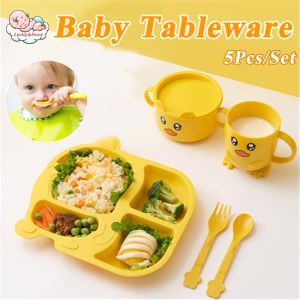
5Pcs/Set Baby Tableware Baby Dinner Set Cartoon Cute Toddler Anti-fall Cup Plastic Dinner Plate BPA Free
Children's Milk Cup: Borosilicate Glass & Cute Cartoon Design
Poultry Continuous Injector with Scale Adjustable Liquid Feeding with Needles 1ml/2ml/5ml for Farm Animal
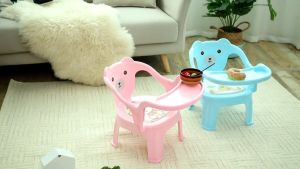
Portable Dining Stools & Chairs for Kids: A Comprehensive Guide
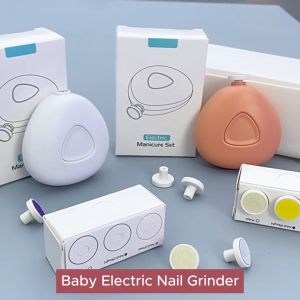
HOMSA Baby Nail Trimmer: Safe & Effective 6-in-1 Manicure Solution
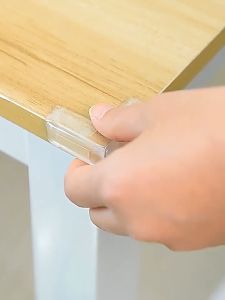
Baby Safety Table Corner Protector Protective Pad Corner Protector Furniture Table Corner Protector Corner and Edge Safety Crash Pad Transparent Protection for Table Corner Furniture Sharp Corner (L-Shaped)
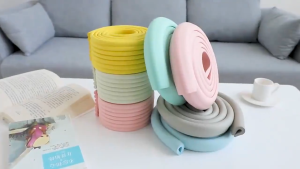
Baby Anti Collision Strip Safety Edge Guard Bumper Angle Protective Strip for Baby Infant

Organic Baby Wipes Eco-Pack 64 Sheet Pack of 5 with Zip Clutch Reusable Pouch
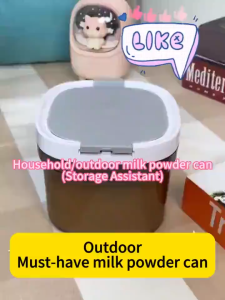
UV-Resistant Milk Powder Jar Stackable Food Sealed Box with Scraper Spoon Food Storage Canisters
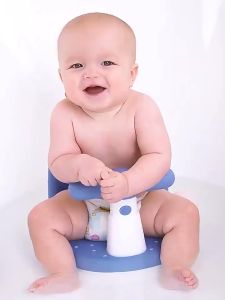
Baby Bath Seat: A Comprehensive Guide