


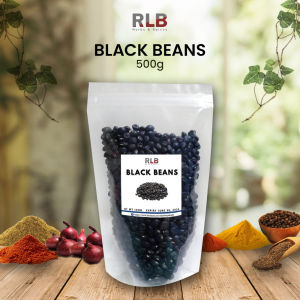
500 Grams Black Beans: A Healthy & Versatile Ingredient
500 Grams Black Beans: A Healthy & Versatile Ingredient
Black beans have a satisfying texture and mildly sweet flavor. They're also incredibly healthy, providing multiple vital nutrients with minimal fat and sugar. This article will explore the nutritional value, health benefits, cooking tips, and environmental impact of whole black beans, specifically focusing on organic natural black beans.
What Are Whole Black Beans?
Whole black beans, also known as uncooked black turtle beans, are a type of legume that belongs to the Phaseolus vulgaris family. These beans are small, oval-shaped, and have a dark black color. They are packed with essential nutrients, such as antioxidants, fiber, protein, and carbohydrates, making them nutritionally powerful.
Nutritional Value
A diet rich in beans can reduce your risk of several serious medical conditions and help your body to process calories more effectively. Here's a breakdown of the nutritional value of 500 grams of black beans:
- Protein: 20 grams
- Fiber: 15 grams
- Carbohydrates: 60 grams
- Fat: 1 gram
- Sugar: 0 grams
Health Benefits
The antioxidants, fiber, protein, and carbohydrates in black beans make them nutritionally powerful. Here are some health benefits associated with consuming whole black beans:
- Blood sugar regulation
- Heart health
- Lowering cholesterol levels
- Reducing diabetes risk
Blood Sugar Regulation & Heart Health
Unlike many other foods that are high in carbohydrates, black beans don't cause a spike in blood sugar. Studies have actually found the opposite. When people eat black beans with rice, their blood sugar levels tend to be lower than if they only ate rice. For people with diabetes, adding beans to a healthy diet can improve blood sugar control while reducing heart disease risk.
Lowering Cholesterol Levels
Studies show that eating beans can lower the total amount of cholesterol and levels of "bad" cholesterol in your blood. This helps reduce the risk of heart disease and stroke.
Reducing Diabetes Risk
Black beans can help regulate blood sugar levels, which is essential for people with diabetes. By incorporating black beans into your diet, you can improve blood sugar control and reduce the risk of developing type 2 diabetes.
Cooking & Using Uncooked Black Turtle Beans
Cooking and using uncooked black turtle beans is simple and straightforward. Here are some tips for preparation and storage:
- Rinse the beans before cooking to remove any dirt or debris.
- Soak the beans overnight in water to help soften them and speed up cooking time.
- Cook the beans in a pot of water until they're tender, usually around 1-2 hours.
- Store cooked beans in an airtight container in the refrigerator for up to 5 days or freeze them for later use.
Incorporating into Recipes
Black beans can be incorporated into a variety of recipes, such as soups, stews, salads, and dips. Here are some ideas:
- Black bean soup
- Black bean and corn salad
- Black bean tacos
- Black bean dip
Organic Natural Black Beans: A Sustainable Choice
Choosing organic natural black beans is a sustainable choice for several reasons:
- Environmental impact: Organic farming practices reduce the use of harmful chemicals and pesticides, which helps protect the environment.
- Supporting local farmers: By choosing organic natural black beans, you're supporting local farmers who use sustainable farming methods.
In conclusion, whole black beans are a healthy and versatile ingredient that can be incorporated into a variety of recipes. They provide numerous health benefits, such as blood sugar regulation, heart health, lowering cholesterol levels, and reducing diabetes risk. By choosing organic natural black beans, you're making a sustainable choice that supports local farmers and protects the environment.

RLB HERBS AND SPICES
Review

You May Also Like
Bestseller King of Raisins Turpan Sapphire Raisins Premium Natural Sweet Dried Grapes Natural Dried Grapes Premium Quality

KAPENATO 9 in 1 Coffee Mix: A Convenient 20 Sachets Pack
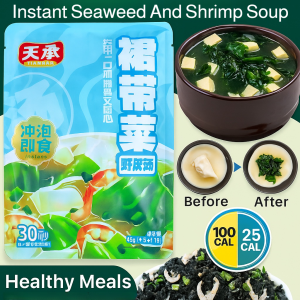
Instant Seaweed Soup with Shrimp Skin Low-Fat Wakame Soup Mix Quick Meal Ready to Eat No Cooking Required

SUBORO Sambal Extreme Hot (Indo Thai Malay Style All Around Chili Sauce)

Himalayan Bitter Candy Soft Candy Snacks Snacks

30 Pieces Choco Egg Beans / Wholesale Candy / Wholesale Paninda / Loot bag filler HAPPY BOX

Black Forest Blended Series 500g
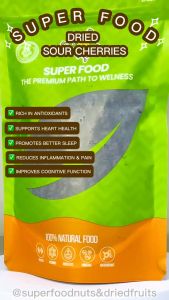
Pitted Dried Sour Cherry - Naturally Tangy Perfect for Salads Cereal Yogurt Toppings and Snacking 250g & 500g
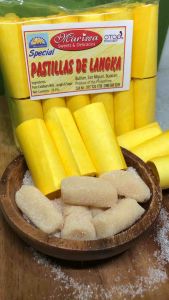
Langka Pastillas 24pcs

Joel Gott Washington Red Blend 750ml: A Premium Red Wine Experience
![[BUDGET COMBO] 7 Box of Assorted Chocolate Butter Chocolate Cookies and Milky Biscuit Snacks](https://img.lazcdn.com/g/ot/common/e970a787918045ffacabf5d4341e12b1.png_300x300q80.png)
[BUDGET COMBO] 7 Box of Assorted Chocolate Butter Chocolate Cookies and Milky Biscuit Snacks