


MELLI Dry Shirataki Rice: A Keto Low Carb Diet Healthy Rice Alternative
MELLI Dry Shirataki Rice: A Keto Low Carb Diet Healthy Rice Alternative
Shirataki rice, also known as miracle rice, konjac rice, or konnyaku rice, is a great keto rice substitute. This article will guide you through the world of shirataki rice, covering everything from its benefits and preparation tips to cooking techniques and meal ideas.
What is Shirataki Rice?
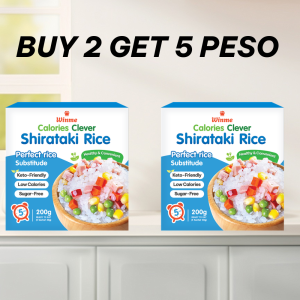
Shirataki rice is made from konjac plant – a type of root vegetable with 97% water and 3% fiber. It has a bouncy and jell-o like texture and is a great diet food as it has 5 grams of calories and 2 grams of carbs with no sugar, fat, and protein.
Key Ingredients & Benefits
The primary ingredient in shirataki rice is glucomannan, a type of soluble fiber derived from the konjac plant. This fiber has numerous health benefits, including:
- Promoting healthy digestion
- Lowering cholesterol levels
- Controlling blood sugar levels
- Boosting satiety and reducing hunger
Preparation Tips
When you first open up the packet of shirataki rice, it has a somewhat unappealing smell and texture. To prepare it correctly, rinse the rice under cold running water for at least 30 seconds. This will remove the odor and excess water, leaving you with a flavorless and easy-to-cook rice alternative.
How to Cook Konjac Rice in 5 Minutes
Cooking shirataki rice is quick and simple. Follow this step-by-step guide to prepare your rice in just 5 minutes:
- Rinse the rice under cold running water for at least 30 seconds.
- Place the rice in a microwave-safe bowl.
- Microwave the rice on high for 2 minutes.
- Let the rice sit for 1 minute before serving.
Cooking Tips & Tricks
To enhance the flavor of your shirataki rice, try these cooking tips and tricks:
- Add your favorite seasonings and spices during cooking.
- Mix in vegetables, protein sources, or sauces to create a delicious meal.
- Store leftover rice in an airtight container in the refrigerator for up to 5 days.
Shirataki Rice vs. Traditional Rice
Shirataki rice and traditional rice differ significantly in terms of nutritional value, flavor, and texture.
Nutritional Comparison
| Nutrient | Shirataki Rice | Traditional Rice | | --- | --- | --- | | Calories | 5g | 200g | | Carbs | 2g | 45g | | Sugar | 0g | 0g | | Fat | 0g | 0g | | Protein | 0g | 5g |
Flavor & Texture Differences
Shirataki rice has a neutral flavor and a slightly chewy texture, while traditional rice has a mild, nutty taste and a soft, fluffy texture.
Shirataki Rice Recipes & Meal Ideas
Explore these easy and healthy meal plans using shirataki rice:
- Shirataki Rice Stir-Fry: Mix rice with vegetables, protein sources, and sauces for a flavorful meal.
- Shirataki Rice Salad: Combine rice with fresh vegetables, nuts, and dressings for a refreshing dish.
- Shirataki Rice Bowl: Layer rice with toppings such as grilled chicken, avocado, and salsa for a satisfying meal.
Flavorful Cooking Techniques
Experiment with different seasonings, spices, and cooking methods to enhance the flavor of your shirataki rice:
- Sauté rice with garlic, ginger, and soy sauce.
- Add fresh herbs like cilantro, basil, or parsley.
- Mix in diced vegetables, such as bell peppers, onions, or mushrooms.
Frequently Asked Questions
Storage & Shelf Life
Store shirataki rice in an airtight container in the refrigerator for up to 5 days. Discard any rice that has an off smell, taste, or appearance.
Freezing & Thawing Tips
Shirataki rice changes texture when frozen, so do not freeze shirataki made products! Instead, store cooked rice in the refrigerator and reheat it before serving.

Fitgum Store Health & Beauty
You May Also Like

Combo 7 CAN - Ovisure Gold Milk Original Organic Milk Reduce Bone and Joint Pain Imported Ingredients form USA
Essentials Ceremonial Matcha Powder 250g – Premium Quality Ideal for Tea Ceremonies Beverages and Baking
![[IN STOCK] Chocolate Lava Mochi - Soft and Chewy Mochi with Irresistible Melted Chocolate Filling Authentic Japanese Style](https://img.lazcdn.com/g/ff/kf/S706dc7f0d9ab4cddab14312d505b3f8cv.png_300x300q80.png)
[IN STOCK] Chocolate Lava Mochi - Soft and Chewy Mochi with Irresistible Melted Chocolate Filling Authentic Japanese Style
Healthy Drinks Collagen Matcha Powder Glutathione Matcha Drinks
Relish All Purpose Flour 200g Pack of 5

Budget Pack Spice Mix Blend Seasoning No Preservatives 100% Organic
Rizaleño Sinandomeng - Pure Local Rice Sariling Atin - READY TO SHIP

Purehub Ultimate Mixed Nuts
Muscovado Brown Sugar 2.7kl / Milk Tea brown sugar powder
caiumana Chilli Sarap Seasoning Chili Powder Basta Spicy Yummy
Yolefu Sugar-Free Xylitol Biscuits Small Packaged Soda Biscuits Snacks 2 Jin Wood Pulp Sugar-Free Biscuits Crispy Biscuits