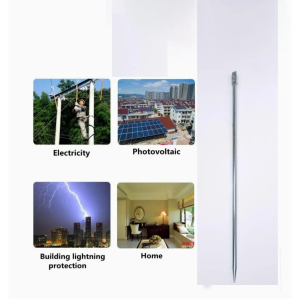

Engineering Domestic Power Plant Hot-Dip Galvanized Grounding Needle Pole Household Lightning Rod

Engineering Domestic Power Plant Hot-Dip Galvanized Grounding Needle Pole Household Lightning Rod

Introduction to Grounding Solutions for Domestic Use

Grounding solutions play a crucial role in ensuring the safety and reliability of domestic power plants. A lightning protection system is essential to safeguard homes and their occupants from the potential dangers of electrical surges and lightning strikes. In this article, we will explore the importance of grounding solutions, specifically focusing on hot-dip galvanized grounding needle poles and household lightning rods.

Overview of Hot-Dip Galvanized Grounding Needle Pole

Hot-dip galvanized grounding needle poles are an effective solution for grounding domestic power plants. These poles are coated with a layer of zinc through a process called hot-dip galvanization, which provides corrosion resistance and extends the lifespan of the pole. This makes them ideal for outdoor applications where they may be exposed to harsh weather conditions.

Importance of Lightning Protection System

A lightning protection system is essential for protecting homes from the devastating effects of lightning strikes. By providing a safe path for electrical surges to travel to ground, these systems minimize the risk of fire, damage to electrical equipment, and injury to occupants. Investing in a reliable grounding solution is crucial for ensuring the safety and longevity of your home.

Engineering Power Plant Equipment for Home Use

When designing power plant equipment for home use, it is important to consider the specific needs and requirements of domestic applications. In this section, we will discuss the key components of a household lightning rod and the design considerations for domestic power plants.

Key Components of a Household Lightning Rod

A household lightning rod consists of several key components, including:

  • Lightning rod: The lightning rod is the most visible component of the system, typically mounted on the highest point of a building. It serves as the primary attraction point for lightning strikes.

  • Down conductor: The down conductor connects the lightning rod to the grounding electrode, providing a safe path for electrical surges to travel to ground.

  • Grounding electrode: The grounding electrode is buried underground and provides a low-resistance path to ground for electrical surges.

  • Surge protection devices: Surge protection devices are installed throughout the home to protect sensitive electronic equipment from voltage spikes caused by lightning strikes.

Design Considerations for Domestic Power Plants

When designing power plant equipment for home use, several factors must be taken into account, including:

  • Size and capacity: The size and capacity of the power plant must be sufficient to meet the energy needs of the home.

  • Safety features: Safety features such as surge protection devices and grounding solutions must be incorporated into the design to protect the home and its occupants.

  • Aesthetics: The design of the power plant equipment must be aesthetically pleasing and blend seamlessly with the home's architecture.

Choosing the Right Grounding Solution for Your Home

Selecting the right grounding solution for your home requires careful consideration of several factors. In this section, we will discuss the factors to consider when selecting a grounding solution and compare different types of grounding needles.

Factors to Consider When Selecting a Grounding Solution

When choosing a grounding solution for your home, consider the following factors:

  • Soil conditions: The type of soil in your area can affect the effectiveness of a grounding solution. Some grounding solutions work better in certain types of soil.

  • Climate: The climate in your area can impact the performance of a grounding solution. For example, hot-dip galvanized grounding needle poles are ideal for outdoor applications where they may be exposed to harsh weather conditions.

  • Budget: The cost of different grounding solutions can vary significantly. Consider your budget when selecting a grounding solution.

Comparing Different Types of Grounding Needles

There are several types of grounding needles available on the market, including:

  • Hot-dip galvanized grounding needle poles: These poles are coated with a layer of zinc through a process called hot-dip galvanization, which provides corrosion resistance and extends the lifespan of the pole.

  • Copper grounding needles: Copper grounding needles are another popular option due to their high conductivity and corrosion resistance.

  • Steel grounding needles: Steel grounding needles are a cost-effective option, but they may require additional maintenance to prevent rust and corrosion.

Installation and Maintenance of Household Lightning Rods

Proper installation and maintenance of household lightning rods are essential for ensuring their effectiveness and longevity. In this section, we will provide a step-by-step guide to installing a lightning rod and offer tips for maintaining a household lightning rod.

Step-by-Step Guide to Installing a Lightning Rod

Installing a lightning rod involves several steps, including:

  1. Choosing the right location: The lightning rod should be installed on the highest point of the building, typically the roof.

  2. Mounting the lightning rod: The lightning rod should be securely mounted to the building using appropriate hardware.

  3. Connecting the down conductor: The down conductor should be connected to the lightning rod and run to the grounding electrode.

  4. Installing the grounding electrode: The grounding electrode should be buried underground and connected to the down conductor.

  5. Testing the system: Once the lightning rod is installed, it should be tested to ensure it is functioning properly.

Tips for Maintaining a Household Lightning Rod

To maintain the effectiveness and longevity of a household lightning rod, consider the following tips:

  • Regular inspections: Regularly inspect the lightning rod and its components for signs of damage or corrosion.

  • Cleaning: Clean the lightning rod and its components regularly to remove dirt and debris that may affect its performance.

  • Testing: Test the lightning rod annually to ensure it is functioning properly.

Conclusion

Grounding solutions are essential for ensuring the safety and reliability of domestic power plants. Hot-dip galvanized grounding needle poles and household lightning rods are effective solutions for protecting homes from the potential dangers of electrical surges and lightning strikes. By considering the factors discussed in this article, homeowners can select the right grounding solution for their needs and ensure the safety and longevity of their homes.

Summary of Key Points

  • Grounding solutions play a crucial role in ensuring the safety and reliability of domestic power plants.

  • Hot-dip galvanized grounding needle poles and household lightning rods are effective solutions for protecting homes from electrical surges and lightning strikes.

  • When selecting a grounding solution, consider factors such as soil conditions, climate, and budget.

  • Proper installation and maintenance of household lightning rods are essential for ensuring their effectiveness and longevity.

Final Thoughts on Grounding Solutions for Domestic Use

Investing in a reliable grounding solution is crucial for ensuring the safety and longevity of your home. By selecting the right grounding solution and maintaining it properly, homeowners can protect their homes and their occupants from the potential dangers of electrical surges and lightning strikes.

meygawell

meygawell

Seller ratings 97%