


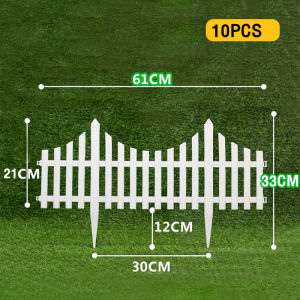
10pcs Plastic Fence: Enhance Your Courtyard & Garden Decor
10pcs Plastic Fence: Enhance Your Courtyard & Garden Decor
Plastic fences have become increasingly popular in recent years due to their durability, low maintenance, and aesthetic appeal. This article will explore the benefits of using plastic fences, compare them with other materials, and provide a step-by-step guide to installing a small flower bed fence. We'll also discuss how to maintain your white garden fence to ensure it remains beautiful and functional for years to come.
What Are Plastic Fences?
Plastic fences are made from high-density polyethylene (HDPE), a durable and weather-resistant material that can withstand various environmental conditions. They come in different styles, colors, and sizes, making them a versatile option for enhancing your courtyard and garden decor.
Benefits of Using Plastic Fences
Plastic fences offer several advantages over traditional fencing materials, including:
-
Low maintenance: Unlike wood fences, plastic fences don't require regular painting or staining. They're resistant to rot, insects, and UV rays, making them a low-maintenance option.
-
Cost-effective: Although plastic fences may have a higher upfront cost, they're more affordable in the long run due to their durability and low maintenance requirements.
-
Environmentally friendly: Plastic fences are made from recycled materials, making them an eco-friendly choice for your outdoor space.
Types of Plastic Fences
There are several types of plastic fences available, including:
-
Privacy fences: These fences provide a barrier between your property and your neighbors, offering privacy and security.
-
Decorative fences: These fences are designed to enhance the aesthetics of your courtyard and garden, adding a touch of elegance and charm.
-
Small flower bed fences: These fences are perfect for delineating flower beds and protecting plants from foot traffic.
How to Choose the Right Plastic Fence for Your Courtyard
Choosing the right plastic fence for your courtyard depends on several factors, including your budget, desired style, and functional requirements.
Factors to Consider When Choosing a Plastic Fence
When selecting a plastic fence, consider the following factors:
-
Budget: Determine how much you're willing to spend on a fence and choose a model that fits within your budget.
-
Style: Consider the overall look you want to achieve and choose a fence that complements your home's architecture and landscaping.
-
Functionality: Think about the purpose of the fence, whether it's for privacy, security, or decorative purposes.
Comparing Plastic Fences with Other Materials
Compared to traditional fencing materials such as wood, metal, and vinyl, plastic fences offer several advantages, including:
-
Durability: Plastic fences are resistant to rot, insects, and UV rays, making them more durable than wood fences.
-
Low maintenance: Unlike wood fences, plastic fences don't require regular painting or staining, making them easier to maintain.
-
Cost-effective: Although plastic fences may have a higher upfront cost, they're more affordable in the long run due to their durability and low maintenance requirements.
Installing a Small Flower Bed Fence
Installing a small flower bed fence is a straightforward process that can be completed in a few hours with the right tools and materials.
Tools Needed for Installation
To install a small flower bed fence, you'll need the following tools:
-
Shovel: For digging holes for fence posts.
-
Level: To ensure the fence posts are straight and level.
-
Hammer: To drive fence posts into the ground.
-
Screwdriver: To attach fence panels to the posts.
Step-by-Step Guide to Installing a Small Flower Bed Fence
-
Measure and mark the area: Measure the length and width of the flower bed and mark the corners with stakes.
-
Dig holes for fence posts: Dig holes for the fence posts at each corner and along the sides of the flower bed.
-
Install fence posts: Drive the fence posts into the ground using a hammer.
-
Attach fence panels: Attach the fence panels to the posts using screws.
-
Check for levelness: Ensure the fence is straight and level by checking with a level.
Maintaining Your White Garden Fence
Maintaining your white garden fence is essential to keep it looking beautiful and functional. Here are some tips for cleaning and repairing your fence:
Cleaning Tips for a White Garden Fence
To clean your white garden fence, use a mild soap solution and a soft-bristled brush. Rinse the fence with water and allow it to dry completely before applying any sealant or paint.
How to Repair Damaged Sections of Your White Garden Fence
If your white garden fence has damaged sections, you can repair them by sanding down the affected areas and applying a fresh coat of paint or sealant. For more severe damage, you may need to replace the damaged section entirely.

FIELD 1
Review

You May Also Like
![BUNNY POOP**** All-Natural Eco-friendly*** Made from 100% Dried Rabbit Manure [2-liters]](https://img.lazcdn.com/g/ff/kf/Se4ff9b554e9e4ebfbdd26446064d59bbQ.png_300x300q80.png)
BUNNY POOP**** All-Natural Eco-friendly*** Made from 100% Dried Rabbit Manure [2-liters]
Long Handle Agricultural Weeding Tool 60cm For Gardening Harvest the Banana Betel Nut Open Road Cutting Grass Sickle Weeding Sickle Manganese Steel Agricultural Sickle GardenTools Blade Karet Scythe Bolo
Ceramic Flower Pot for Balcony: Home Use Luxury Large Size & Nordic Style
500/1000ml Sprouting Kitwith Stainless Steel Sprouting Stands for Growing Organic Sprouts
Makita 78V Grass Cutter Cordless Electric Lawn Mower Trimmer Rechargeable Portable Garden Pruning
Automatic Soaker Drip Waterer
Solar Lawn Moon Sculpture Light Outdoor Courtyard Villa Landscape Plug in Light LED Moon Iron Decoration
UNROOTED grapes cuttings VELEZ SEEDLESS GRAPE CUTTING AS PLANTING MATERIALS C1 seedless THRU ez gib ga3 seedlings
Jozoo & Digeo Cleaning Shovels: Multifunctional Outdoor Garden Tools
3pcs Mini Gardening Shovel Rake Tool Metal Miniature Spade with Wooden Handle for Potting Plants

DLS 3Gs Foliar Growth Enhancer/Soil Conditioner and Bustimilant (4 Liters) With Measuring Cup and Instruction ng kasama