



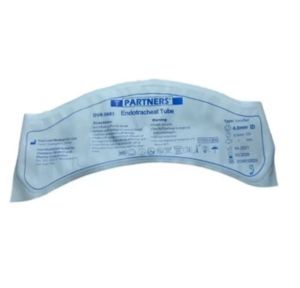
Partners Sterile Endotracheal Tube - ET Tube (1pc)
Partners Sterile Endotracheal Tube - ET Tube (1pc)
Sterile endotracheal tubes are essential medical devices used in intubation procedures to ensure a patient's airway remains open during surgery or other medical treatments. This comprehensive guide will cover the key features, proper usage, specifications, selection factors, and maintenance of the Partners Sterile Endotracheal Tube.
What is a Sterile Endotracheal Tube?
A sterile endotracheal tube (ET tube) is a flexible tube inserted through the mouth or nose into the trachea to maintain a patent airway. It ensures that air can flow freely between the lungs and the outside environment, facilitating breathing during medical procedures.
Key Features of Single Piece Endotracheal Tubes
Single piece endotracheal tubes, like the Partners Sterile ET Tube, offer several advantages:
- Ease of insertion: The single piece design simplifies the intubation process.
- Reduced risk of disconnection: Unlike multi-piece tubes, single piece tubes have fewer connections, reducing the likelihood of disconnection during use.
- Lower cost: Single piece tubes tend to be more affordable than their multi-piece counterparts.
Differences Between Sterile & Non-Sterile Tubes
The primary difference between sterile and non-sterile endotracheal tubes lies in their sterility. Sterile tubes have been sterilized using a validated method, ensuring they are free from microorganisms. Non-sterile tubes may contain contaminants and require sterilization before use.
How to Use the Partners Sterile ET Tube
Proper insertion techniques and understanding common applications are crucial for effective use of the Partners Sterile ET Tube.
Proper Insertion Techniques
To ensure successful intubation:
- Prepare the patient and equipment.
- Position the patient appropriately.
- Insert the tube through the mouth or nose, depending on the situation.
- Verify proper placement using auscultation, capnography, or other methods.
Common Applications & Situations
Sterile endotracheal tubes are commonly used in various medical scenarios, including:
- General anesthesia: Maintaining a patent airway during surgical procedures.
- Emergency situations: Providing ventilation support in critical care settings.
- Respiratory failure: Assisting patients with compromised breathing capabilities.
Endotracheal Tube Specifications
Understanding the key dimensions and material construction of the Partners Sterile ET Tube is essential for proper selection and use.
Understanding the Key Dimensions
Key dimensions to consider include:
- Tube length: Measured from the distal tip to the end of the tube.
- Cuff diameter: The size of the balloon that inflates to seal the airway.
- ID/OD: Inner diameter (ID) and outer diameter (OD) of the tube.
Material & Construction
Sterile endotracheal tubes are typically made from materials like polyvinyl chloride (PVC), silicone, or polyurethane. These materials provide flexibility, durability, and resistance to tearing.
Choosing the Right Endotracheal Tube
Selecting the appropriate endotracheal tube depends on several factors:
Factors to Consider When Selecting a Tube
Consider the following factors when choosing an endotracheal tube:
- Patient size: Ensure the tube is suitable for the patient's age and size.
- Procedure requirements: Choose a tube that meets the specific needs of the procedure.
- Material preferences: Select a material that aligns with the patient's needs and preferences.
Comparing Partners Sterile ET Tubes to Other Brands
When comparing the Partners Sterile ET Tube to other brands, consider factors such as:
- Cost: Compare prices to find the best value.
- Quality: Evaluate the materials and construction of each brand.
- Availability: Check the availability of the desired tube in your region.
Maintaining & Storing Your Endotracheal Tube
Proper cleaning, disinfection, and storage are crucial for maintaining the functionality and sterility of the Partners Sterile ET Tube.
Proper Cleaning & Disinfection Procedures
Follow these steps to clean and disinfect the tube:
- Remove any visible debris.
- Rinse the tube with sterile water.
- Disinfect the tube using an appropriate method, such as chemical sterilization or autoclaving.
Storage Recommendations
Store the Partners Sterile ET Tube in a clean, dry environment, away from direct sunlight and potential contaminants. Keep it in its original packaging until ready for use.

Instrumedic
Review

You May Also Like

Creatine Monohydrate Gummies 4000MG for Muscle Recovery & Builder Muscle Workout Recovery Supplements Boosts Energy for Men & Women-Grape flavor

BUY1 TAKE 1 HEMORRHOIDS OINTMENT CREAM 100% Authentic Hemorrhoid Treatment Ointment Health Care for Almoranas Pain Relief Antibacterial Cream

【Fast delivery】Adult Walker with Wheels Elderly Walker Stainless Steel Folding Torque Walker Crutche
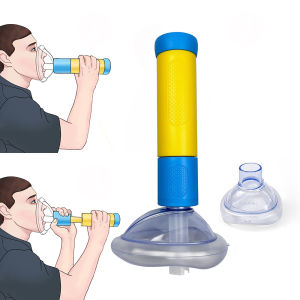
New Upgrade Portable Anti Choking Device Choking Emergency Life Saving Suction Vac Anti Choke Device First Aid Kit for Kid Adult

Jingukang Cold Compress Gel: A Solution for Muscle Injuries & Joint Pain

Medicus Walking Belt Rehabilitation Auxiliary Belt Leg Loops Nursing Safety Gait Assist Device Physical Therapy Training Aids

Insulin Pen Needles BD Ultra-Fine Pen Needle PRO 0.23mm (32G) x 4mm x100

2025Disposable Endoscopic Flexible Rotatable Hemoclip Gastroenterology Hemostatic Clips 1950mm teaching
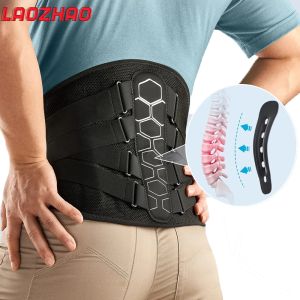
1PCS Back Brace for Lower Back Pain Relief with Pulley System Lumbar Support Belt for Men Women with Lumbar Pad Ergonomic Design

Simple Five-pointed Star Stud Earrings Stainless Steel Piercing Earrings Sweet Cool Minimalist Star Stud Earring

26L Trauma Bag Family Medicals Bag Emergency Package Outdoor First Aid Kit Emergency Kit Camping Equipment Large-First-Aid-Bag