



Comprehensive Guide to Aluminum Alloy Edge Strips
Comprehensive Guide to Aluminum Alloy Edge Strips
What Are Aluminum Alloy Edge Strips?
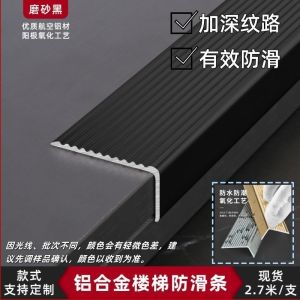
Aluminum alloy edge strips, also known as protective edge strips, anti-slip stair tread strips, edge strips for flooring, wood floor corner guards, and aluminum alloy edge strips, are versatile and durable accessories designed to protect and enhance the appearance of various surfaces, particularly floors and stairs. These strips are made from high-quality aluminum alloy, which provides excellent resistance to corrosion, moisture, and water damage. In this comprehensive guide, we will explore the features, benefits, applications, and installation methods of these valuable products.
Key Features & Benefits
Aluminum alloy edge strips offer numerous advantages over other materials, including:
-
Corrosion-resistant: These strips are designed to withstand harsh environmental conditions, making them ideal for both indoor and outdoor use.
-
Waterproof: They effectively prevent water from seeping into the edges of floors, reducing the risk of damage caused by moisture.
-
Moisture-proof: These strips protect against humidity and condensation, helping to maintain the integrity of the flooring material.
-
Stylish appearance: With a sleek and modern design, aluminum alloy edge strips add a touch of elegance to any space.
Applications & Usage
Aluminum alloy edge strips are commonly used in a variety of settings, including:
-
Wood floors: To protect the edges of hardwood floors from damage caused by furniture, foot traffic, and moisture.
-
Stairs: To provide a non-slip surface on stair treads, enhancing safety and preventing accidents.
-
Corners: To guard against impact and wear at the corners of floors and walls.
-
Thresholds: To seal gaps between different surfaces, such as doors and floors, while maintaining a clean and seamless appearance.
Choosing the Right Edge Strip for Your Home
When selecting an aluminum alloy edge strip, consider the following factors:
Material Selection
Look for products made from high-quality aluminum alloy, which offers superior strength, durability, and resistance to corrosion. Additionally, ensure that the edge strip is compatible with the flooring material you wish to protect.
Installation Methods
Aluminum alloy edge strips can be installed using various methods, including adhesive, nails, screws, or clips. Choose an installation method that best suits your needs and the type of flooring you are working with.
How to Install an Aluminum Alloy Edge Strip
Installing an aluminum alloy edge strip is a straightforward process that can be completed in just a few steps. Follow these guidelines to ensure a successful installation:
Tools Needed
- Tape measure
- Pencil
- Utility knife or scissors
- Adhesive (if applicable)
- Nails, screws, or clips (if applicable)
- Hammer or drill (if applicable)
Step-by-Step Instructions
-
Measure the length of the area where the edge strip will be installed.
-
Cut the aluminum alloy edge strip to the appropriate length using a utility knife or scissors.
-
If using an adhesive, apply a thin layer to the back of the edge strip, following the manufacturer's instructions.
-
Press the edge strip firmly into place, ensuring it is aligned with the edges of the floor or wall.
-
If using nails, screws, or clips, secure the edge strip to the surface according to the manufacturer's recommendations.
Maintaining Your Edge Strip
To ensure the longevity and effectiveness of your aluminum alloy edge strip, follow these maintenance tips:
Cleaning & Care Tips
-
Regularly clean the edge strip using a soft cloth and mild detergent.
-
Avoid using abrasive cleaners or harsh chemicals, which may damage the surface of the strip.
-
Periodically inspect the edge strip for signs of wear or damage, and replace it if necessary.
Troubleshooting Common Issues
If you encounter any issues with your aluminum alloy edge strip, refer to the manufacturer's instructions for troubleshooting advice. Some common problems include:
-
Loose or detached strips: Re-secure the edge strip using the appropriate installation method.
-
Rust or corrosion: Clean the affected area and apply a rust-resistant coating to prevent further damage.
-
Dented or damaged strips: Replace the damaged section with a new piece of edge strip.

EDSRWEGFDAG
Review

You May Also Like
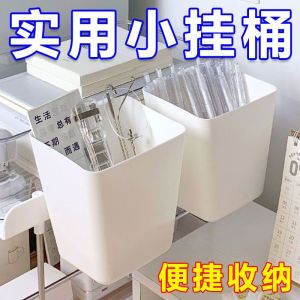
Bedside Hanging Basket Small Shelf for Mobile Phone Storage in Dormitory Student Dormitory Essential Storage Rack for Upper And Lower Bunks
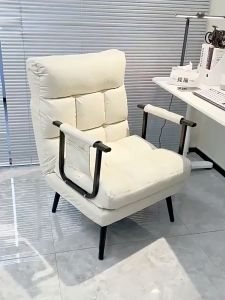
Dofia Folding chair computer sofa chair office nap folding bed lazy people can lie and sit dual-purpose
Drawer Divider Adjustable Diy Storage Organizer Separator for Tidying Underwear Socks Clothes
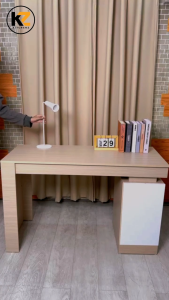
KitchenZ 120cm 4Ft Writing Table with Storage 15mm Thick Board Durable Stable Office Study Table Jordan Series
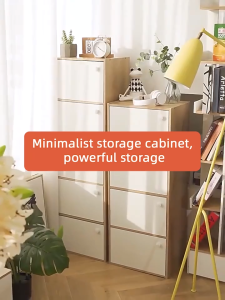
【Ready Stock】Wood Cabinet MiNi 3/4/5 layer simple locker cabinet organizer cabinets wood furnitures home
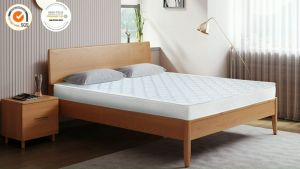
SEA CHOICE Spring Mattress with Memory Foam Medium Hardness 3D Breathable Knitting Fabric Support System 7 Inches Deep 10-year quality promise / Kutson memory foam katamtamang tigas 3D breathable na niniting na tela 7 pulgada ang lalim - Lazada
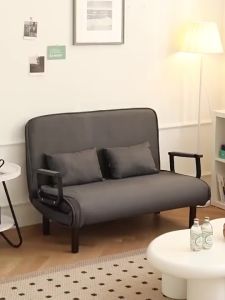
80/120CM Multi-Function Living Room Sofa: A Dual-Purpose Solution
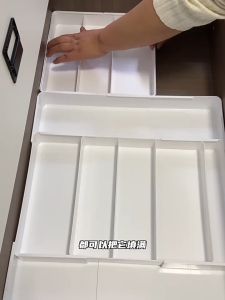
UUOY Drawer Organizer Expandable Cutlery Spoon and Fork Organizer Adjustable Separation Drawer Spoons Forks Storage Box
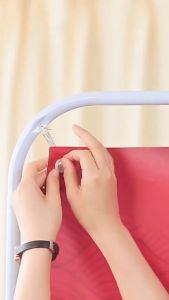
KGS Door Frame Type Banner Stand Tarpaulin Standee 180cm x 80 cm | Event Displays| Event Stand
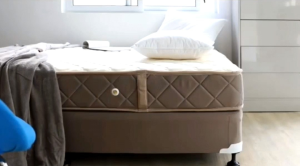
Mandaue Foam Gala Firm Pocket Spring Mattress: A Comprehensive Guide
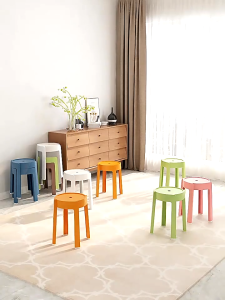
Nordic Stackable Stool Thickened Plastic Chair Durable Dining Table Restaurant Round Stool