


Carbon Steel Metric Rivet Nut: A Comprehensive Guide
Carbon Steel Metric Rivet Nut: A Comprehensive Guide
Flat Head Threaded Insert Nuts, also known as Nutserts, are versatile fasteners that provide secure connections in various applications. This guide will focus on the M6, M8, and M10 Nutsert specifications, their applications, choosing the right metric rivet nut, installation techniques, and maintenance tips.
What Are Flat Head Threaded Insert Nuts?
Flat Head Threaded Insert Nuts, or Nutserts, are metal inserts that are inserted into a pre-drilled hole to create a threaded internal surface. They are commonly used in applications where traditional nuts and bolts may not provide sufficient strength or durability.
M6, M8, & M10 Nutsert Specifications
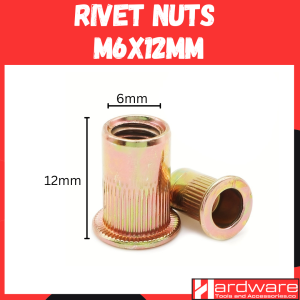
Nutserts come in various sizes, including M6, M8, and M10. These sizes refer to the metric thread diameter of the nutsert. Each size has its own specifications, including thread pitch, length, and material composition. For example, M6 Nutserts have a diameter of 6mm, while M8 Nutserts have a diameter of 8mm.
Applications of Threaded Insert Nuts
Threaded insert nuts are widely used in various industries, including automotive, aerospace, construction, and manufacturing. They are particularly useful in applications where a strong, secure connection is required, such as in structural steel connections, automotive chassis, and aircraft components.
Choosing the Right Metric Rivet Nut
When selecting a metric rivet nut, it is essential to consider the material requirements and load capacity of the application.
Assessing Material Requirements
The material composition of the nutsert is crucial in determining its strength and durability. Carbon steel is a popular choice due to its high tensile strength and resistance to corrosion. Other materials, such as stainless steel or brass, may be used depending on the specific application requirements.
Evaluating Load Capacity
It is essential to assess the load capacity of the application to ensure that the chosen metric rivet nut can withstand the expected forces. The load capacity of a nutsert depends on factors such as the material composition, thread pitch, and diameter.
Installing Carbon Steel Metric Rivet Nuts
Proper installation techniques are critical to ensure the optimal performance of carbon steel metric rivet nuts.
Preparing the Surface
Before installing a nutsert, it is essential to prepare the surface by cleaning and drilling a hole of the appropriate size. The hole should be slightly larger than the diameter of the nutsert to allow for proper insertion.
Proper Riveting Techniques
Once the surface is prepared, the nutsert can be inserted using a riveting tool. The riveting tool should be set to the appropriate pressure to ensure a secure connection. Over-tightening can cause damage to the nutsert, while under-tightening can result in a loose connection.
Maintaining Optimal Performance
Regular inspection and maintenance are essential to ensure the optimal performance of carbon steel metric rivet nuts.
Regular Inspection & Maintenance
It is recommended to inspect the nutserts regularly for signs of wear, corrosion, or damage. Any damaged nutserts should be replaced immediately to prevent potential failures.
Troubleshooting Common Issues
Common issues with carbon steel metric rivet nuts include loose connections, corrosion, and damage. These issues can be resolved by replacing the damaged nutserts, cleaning and lubricating the connections, or adjusting the installation techniques.
In conclusion, carbon steel metric rivet nuts are versatile fasteners that provide secure connections in various applications. By understanding the specifications, applications, choosing the right metric rivet nut, installation techniques, and maintenance tips, you can ensure optimal performance and longevity of these fasteners.

HARDWARE_TOOLS_AND_ACCESSORIES
You May Also Like
Quick Release Connector Valves Fishtanks Water Outlet Hose Adapter for Water Pumps Aquariums Filters Outlet Accessories
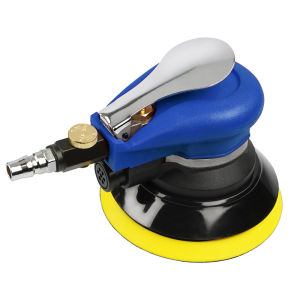
5Inch 125mm Pneumatic Orbital Sander Air Grinder Car Body Waxing Polishing For Furniture Grinding 100Pcs Sandpaper Set Optional
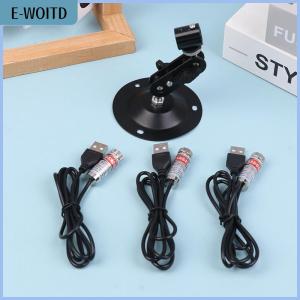
【E-WOITD】 12mm 5mw Adjustable Focus Red Diode Industrial Laser Module Positioning Copper Head With USB Line 650nm Dot Line Cross
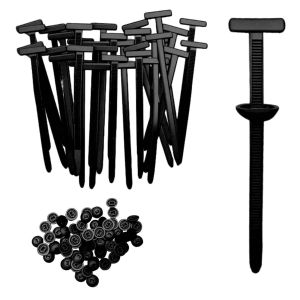
100PCS Heavy Duty Nylon Ties Self-Locking Design with Pins and ButtonsUV Resistant Tie Buckle Tool for Everyday Automotive F
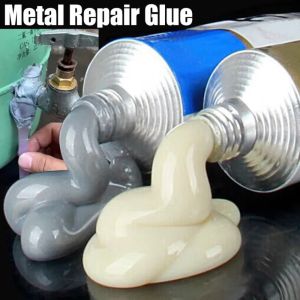
Strong Metal Repair Glue Cold Welding Glue Heat Resistance AB Sealant Glue High Strength Repair Paste Casting Adhesive Agent
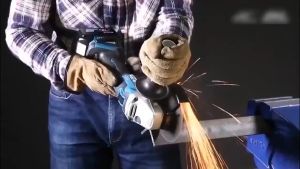
Makita Grinder Heavy Duty Original Japan 1500W High Power Professional Grinder Power 220V
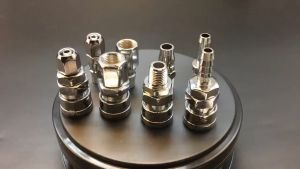
How to Choose & Use 1/4 Inch ID Hose Connector Fittings
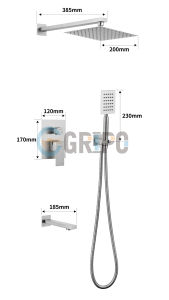
GRIPO New High End 304 Stainless Concealed shower set with faucet GP2820
Automatic Water Stop Tap Fast Opening Split One to Two Extended Freezing Proof 4 Parts 304 Stainless Steel Tap for Washing Machine
Unicorn 3500W Electric Car Washing Machine: High Temperature & High Pressure Steam Cleaner
Desk Cable Organizer Adjustable Thickness Under Table Cable Management Rack Metal Mesh Cable Holder for Desk Kitchen