


Portable Safety Seats for Kids: A Comprehensive Guide
Portable Safety Seats for Kids: A Comprehensive Guide
Portable safety seats for kids are essential to ensure the safety of children during car rides. In this article, we will discuss the importance of child safety seats, their key features, how to choose the right portable safety seat, installation process, maintenance, and frequently asked questions.
What Are Portable Safety Seats?
Portable safety seats, also known as portable car seats, are designed to secure children during car rides, offering them maximum protection against accidents. These seats come in various sizes and designs, catering to different age groups and weight ranges. They are equipped with advanced features such as adjustable headrests, harnesses, and impact-absorbing materials, which help in minimizing the risk of injuries during sudden stops or collisions.
Understanding the Importance of Child Safety Seats
Child safety seats play a crucial role in protecting kids from severe injuries or fatalities during car accidents. According to the National Highway Traffic Safety Administration (NHTSA), child safety seats reduce the risk of fatal injuries by 71% for infants and 54% for toddlers. Therefore, it is essential to invest in a reliable portable safety seat for your child's safety.
Key Features of Portable Safety Seats
Some of the important features to look for in portable safety seats include:
- Adjustable headrests and harnesses
- Impact-absorbing materials
- Side-impact protection
- Easy installation and removal
- Lightweight and compact design
- Compatibility with various car models
How to Choose the Right Portable Safety Seat
Choosing the right portable safety seat for your child requires careful consideration of several factors, such as age, weight, height, and specific needs. Here are some essential factors to consider when selecting a portable safety seat:
- Age range: Portable safety seats are designed for children aged 0-12 years. It is crucial to choose a seat that is appropriate for your child's age group.
- Weight capacity: Check the weight capacity of the portable safety seat to ensure it is suitable for your child's weight.
- Installation method: Some portable safety seats use a rear seat belt, while others may require a base. Make sure to choose a seat that is compatible with your car model and easy to install.
- Comfort features: Look for seats with comfortable padding, adjustable headrests, and harnesses to ensure your child's comfort during long rides.
Recommended Age Ranges for Portable Safety Seats
Portable safety seats come in different types, each designed for specific age groups:
- Infant car seats: Suitable for newborns up to 1 year old or 22 pounds.
- Convertible car seats: Designed for children aged 0-4 years or up to 40 pounds.
- Booster seats: Ideal for children aged 4-12 years or up to 100 pounds.
How to Install a Portable Safety Seat
Proper installation of a portable safety seat is crucial to ensure maximum protection for your child. Here is a step-by-step guide to installing a portable safety seat:
- Read the manufacturer's instructions carefully before installation.
- Position the portable safety seat in the rear seat of the car, away from airbags.
- Adjust the headrest and harness according to your child's age and weight.
- Secure the portable safety seat using the rear seat belt or base, depending on the model.
- Check the tightness of the portable safety seat by trying to move it side-to-side or forward.
Tips for Ensuring Proper Installation
- Install the portable safety seat at a 45-degree angle to ensure maximum protection.
- Avoid placing bulky items, such as blankets or toys, around the portable safety seat.
- Regularly check the portable safety seat for wear and tear or loose parts.
Maintaining Your Portable Safety Seat
Proper maintenance of your portable safety seat is essential to ensure its longevity and effectiveness. Here are some guidelines for cleaning and storing your portable safety seat:
- Clean the portable safety seat regularly using mild soap and water.
- Avoid using harsh chemicals or abrasive materials to clean the portable safety seat.
- Store the portable safety seat in a cool, dry place away from direct sunlight.
Troubleshooting Common Issues
If you encounter any issues with your portable safety seat, such as loose parts or difficulty in installation, refer to the manufacturer's instructions or contact customer support for assistance.
Frequently Asked Questions About Portable Safety Seats
Common Concerns and Solutions
Q: How often should I replace my portable safety seat? A: Portable safety seats have a lifespan of about 6 years. Replace them if they have been involved in an accident or show signs of wear and tear.
Q: Can I use a portable safety seat in any car model? A: Portable safety seats are designed to be compatible with most car models. However, it is crucial to check the manufacturer's instructions for compatibility before installation.
Q: How do I know if my child has outgrown their portable safety seat? A: Check the weight capacity and height limit of the portable safety seat. If your child exceeds these limits, it is time to switch to a different type of portable safety seat.
In conclusion, portable safety seats are an essential investment for every parent who wants to ensure their child's safety during car rides. By choosing the right portable safety seat, installing it correctly, and maintaining it properly, you can provide your child with maximum protection against accidents.

ovseari.store
Review
You May Also Like

Sleeping bag baby spring and winter outing bag foot anti-kick is thickened newborn baby bag is dual-purpose
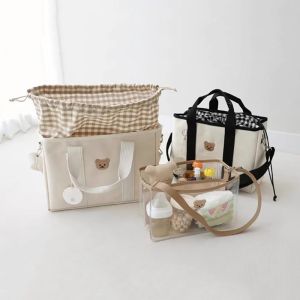
YUDESHUI Heat Preservation Baby Diaper Bag High-capacity Canvas Mummy Bag Multifunctional Mommy Maternity Packs

Baby Pillow Newborn Baby Soft Head Pillow Baby Anti-flat Head Soft And Comfortable Pillow
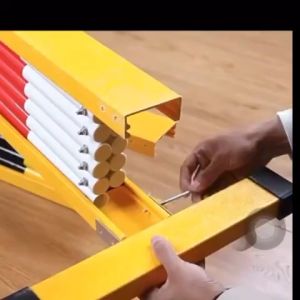
Fiberglass Guardrail Safety Protection Warning Isolation Folding Telescopic Pipe Type Power Safety Construction Fence Road Control Fence
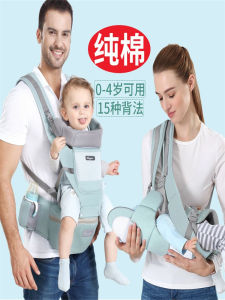
Multi-Functional Baby Carrier: A Comprehensive Guide
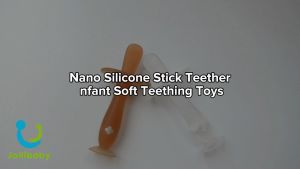
Silicone Teether Stick Soft Nano Color Transparent Baby Toys Oral Care No BPA
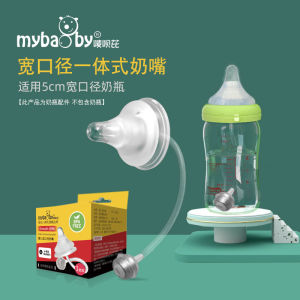
Silicone Wide Neck Bottle Parts & Anti-explosion Straw Nipple: Essential Newborn Feeding Accessories
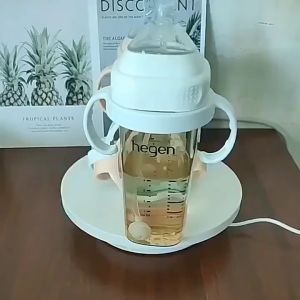
Angel Handle for Hegen Feeding Bottle Accessories Grip BPA-Free

HOK 1.2M/1.5M / 1.8M / 2.0M Adjustable Baby Playpen Safety Bed Fence Kids Vertical Lift Bed Rail Infants Security Fencing Barrier Children Crib Guardrail
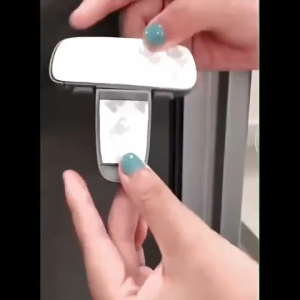
Single Door Refrigerator Safety Lock T-Type Double Button Cabinet Fastening Buckle Child Baby Safety Household Protector 3myhb Super Glue Gray
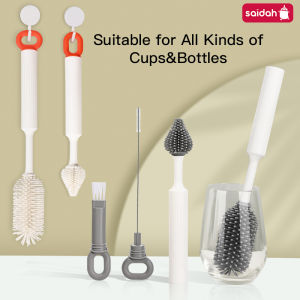
Reusable 4 in 1 Silicone Bottle Brush Set: A Comprehensive Guide