


CVC Sight Words & Phonics Reading Booklet: A Comprehensive Guide for Pre-School Learning
CVC Sight Words & Phonics Reading Booklet: A Comprehensive Guide for Pre-School Learning
What Are CVC Sight Words?
CVC sight words, also known as consonant-vowel-consonant sight words, are simple three-letter words that follow a specific pattern of consonant, vowel, and consonant sounds. These words are essential building blocks for early reading skills and help children develop phonemic awareness, which is the ability to identify and manipulate individual sounds within words.
How to Teach CVC Sight Words Effectively
To teach CVC sight words effectively, consider the following strategies:
- Use flashcards with CVC sight words to help children recognize and read them quickly.
- Incorporate CVC sight words into interactive games and activities to make learning fun.
- Encourage children to practice writing CVC sight words to reinforce their understanding.
- Read books that contain CVC sight words to help children see them in context.
Benefits of Using CVC Sight Words in Early Education
Using CVC sight words in early education offers several benefits:
- Helps children develop strong foundational reading skills.
- Improves phonemic awareness, which is crucial for decoding and spelling.
- Supports the development of vocabulary and comprehension.
- Builds confidence in young readers.
Understanding the 103 Pages Reading Book
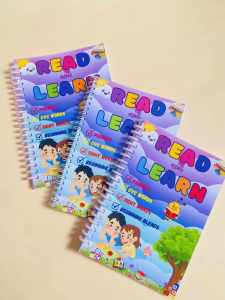
The 103 pages reading book is a valuable resource for pre-school learning materials, designed to introduce children to CVC sight words and phonics through engaging stories and activities.
Key Features of the 103 Pages Reading Book
Some key features of the 103 pages reading book include:
- A variety of engaging stories and activities to keep children interested.
- Colorful illustrations that support the text and help children understand the concepts.
- A gradual progression of difficulty, allowing children to build their skills at their own pace.
- Opportunities for children to practice reading, writing, and identifying CVC sight words.
How to Incorporate the 103 Pages Reading Book into Your Curriculum
To incorporate the 103 pages reading book into your curriculum, consider the following tips:
- Use the book as a supplement to your existing pre-school learning materials.
- Read the stories aloud to children and encourage them to participate by reading along.
- Use the activities in the book to reinforce the concepts introduced in the stories.
- Allow children to work through the book at their own pace, providing support and guidance as needed.
Introduction to the Phonics Reading Booklet
The phonics reading booklet is another valuable resource for pre-school learning materials, designed to introduce children to the sounds and patterns of language through interactive activities and games.
How to Use the Phonics Reading Booklet for Pre-School Learning
To use the phonics reading booklet effectively, consider the following strategies:
- Use the booklet as a supplement to your existing pre-school learning materials.
- Encourage children to practice identifying and producing the sounds introduced in the booklet.
- Use the activities in the booklet to reinforce the concepts introduced in the stories.
- Allow children to work through the booklet at their own pace, providing support and guidance as needed.
Tips for Maximizing the Benefits of the Phonics Reading Booklet
To maximize the benefits of the phonics reading booklet, consider the following tips:
- Use the booklet consistently throughout the school year.
- Incorporate the booklet into your daily routine, using it as a warm-up activity or as part of a lesson plan.
- Encourage children to use the booklet independently, allowing them to develop their skills at their own pace.
- Monitor children's progress and adjust the difficulty level of the activities as needed.
Exploring Beginning Blends for Kids
Beginning blends are combinations of consonant sounds that occur at the beginning of words, such as 'bl' in 'blend' or 'cr' in 'crab'. Teaching beginning blends is essential for developing strong foundational reading skills and supporting the development of vocabulary and comprehension.
Importance of Teaching Beginning Blends in Early Education
Teaching beginning blends in early education offers several benefits:
- Helps children develop strong foundational reading skills.
- Improves phonemic awareness, which is crucial for decoding and spelling.
- Supports the development of vocabulary and comprehension.
- Builds confidence in young readers.
How to Incorporate Beginning Blends into Your Pre-School Curriculum
To incorporate beginning blends into your pre-school curriculum, consider the following tips:
- Introduce beginning blends gradually, starting with simple combinations and building up to more complex ones.
- Use flashcards with beginning blends to help children recognize and read them quickly.
- Incorporate beginning blends into interactive games and activities to make learning fun.
- Read books that contain beginning blends to help children see them in context.
Conclusion: A Comprehensive Approach to Pre-School Learning Materials
In conclusion, CVC sight words, the 103 pages reading book, the phonics reading booklet, and beginning blends are all valuable resources for pre-school learning materials. By incorporating these resources into your curriculum, you can help children develop strong foundational reading skills, improve their phonemic awareness, and build their confidence as young readers.

C.E.V online shop
Review

You May Also Like

OPEN CLOSED SINTRABOARD WATERPROOF DOOR SIGNAGES

TEACHERS ID CARD BIG & SMALL SIZE

PLEASE PAY AS YOU ORDER SIGNAGE A4 Size

WE ACCEPT MAJOR DEBIT CARDS DOOR BANNER

KIOSK BOOTH FOODCART STALL STORE CLOTH COVER GARTERIZED

Dual-Purpose Circlip Pliers Two-in-One Multi-function Internal and External Circlip Pliers Spring Retaining Ring Removal Expansion Pliers汽修两用卡簧钳
4 in 1 Snap Ring Pliers Professional Internal External Circlip Plier with Long Nose Carbon Steel Spring Retainer Remover
2 in 1 Car Door Lock Pick Decoder Unlock Tool Lock picking tool set Decoder Locks for All Type

GCASH OPEN - CLOSED DOOR BANNER SIZE 7.8X3.7"
RYXSKIN PERFUME Mini Collection

High Quality Door Banner: A Comprehensive Guide