



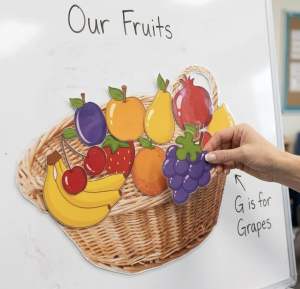
ESL teaching rewards - Fruits in a basket
ESL teaching rewards / teaching props12 fruits, 1 basketHigh print qualityLaminated in 125 microns thicknessThere are two options:Magnet- magnetic board is neededVelcro-can still use even without magnetic boardTeaching props are invaluable tools in the classroom or learning environment, offering a range of benefits that support and enhance the educational experience for children. Here are some key benefits of using teaching props:1. Enhances EngagementTeaching props, whether they're physical objects, visual aids, or interactive tools, capture students' attention. They make learning more dynamic and engaging, keeping children focused and interested in the subject matter. Engaged learners are more likely to retain information.2. Supports Visual LearningMany children are visual learners, and props help them connect abstract concepts to real-world objects. For example, using a globe, maps, or a model of the solar system helps children understand geography or science topics more clearly. The visual nature of props makes complex ideas more accessible.3. Promotes Active LearningProps often encourage hands-on interaction, which is essential for active learning. When children can touch, move, or manipulate objects, they are more involved in the learning process. This kinesthetic involvement can improve understanding and retention, especially for younger children.4. Stimulates Multiple SensesUsing props engages multiple senses—sight, touch, sometimes even smell or sound. This multisensory approach supports various learning styles, including visual, auditory, and tactile learners, ensuring that the lesson is accessible to a wide range of students.5. Simplifies Complex ConceptsProps can break down complicated topics into more understandable pieces. For instance, a model of a plant or animal cell makes the structure clearer than just explaining it with words. Props provide concrete representations of abstract concepts, making them easier to grasp.6. Encourages Critical ThinkingTeaching props can serve as starting points for deeper exploration and critical thinking. For example, showing a real object related to the lesson can prompt questions, discussions, or problem-solving activities that help children think critically and engage with the material in meaningful ways.7. Supports Memory RetentionThe use of props makes learning more memorable. Children are more likely to remember what they've learned when they have physically interacted with an object or seen a visual representation of the concept. This hands-on experience reinforces learning and helps with recall later.8. Fosters CreativityProps often inspire creativity and imagination. For example, using puppets, costumes, or other creative tools can transform a lesson into an imaginative experience. Props can also allow students to create their own projects, express themselves, and explore new ideas.9. Promotes CollaborationWhen props are used in group activities, they can foster collaboration and teamwork. For example, a group of students might work together to assemble a model or use props to create a scene in a role-playing activity. This collaborative effort helps improve social skills and encourages peer learning.10. Improves Focus and AttentionTeaching props can capture children's attention, especially when they are curious about what will happen next. For example, pulling out a bag of props for a storytelling session or a science experiment piques interest and creates anticipation, helping children stay focused throughout the lesson.11. Enhances Classroom ManagementProps can help streamline classroom activities and improve classroom management. For example, using a visual schedule or a classroom reward chart can provide structure and clarity, helping students understand what is expected and stay on track.12. Encourages Independent LearningProps can also be used for independent exploration. For example, providing children with materials they can use to explore a concept on their own, such as a puzzle, model, or set of flashcards, helps develop self-directed learning and problem-solving skills.13. Builds Social and Communication SkillsProps, especially in role-play or group activities, can help children practice social skills, such as sharing, negotiating, and communicating ideas. They also offer opportunities for students to explain or describe what they’re doing, helping to develop both language and interpersonal skills.14. Adapts to Various Learning StylesTeaching props can be tailored to meet different learning styles. Whether using visual aids, tactile objects, or auditory props like sound-based games, props ensure that students with different learning preferences can engage with the material in the way that suits them best.15. Adds Fun and MotivationProps add an element of fun to learning, turning lessons into more interactive and enjoyable experiences. Children often find lessons with props to be more entertaining and motivating, which can increase their enthusiasm for learning and their willingness to participate.16. Boosts Student ConfidenceWhen children successfully use props to demonstrate their understanding or complete a task, it boosts their confidence. They feel empowered and more capable, which fosters a positive attitude toward learning and encourages them to take on new challenges.17. Helps with DifferentiationProps allow for differentiation in the classroom. Teachers can adapt lessons for various levels of learners, whether by offering more complex props for advanced students or simpler ones for beginners. This ensures that all students can access the lesson at their appropriate level of understanding.In conclusion, teaching props are essential tools that enhance learning by making it more engaging, interactive, and accessible. They support diverse learning styles, promote creativity and collaboration, and help students better understand and retain the material.

ESL teaching materials by Kleng's Closet
You May Also Like
Big size Double-sided pattern no smell Kids playmat/ Baby crawling mat 200cm×180cm safety for baby

LITUILI Interactive Electric Dancing Octopus Toy Plastic Simulation Crawling Interactive Octopus Toy Ornament Collection Walking Dancing Octopus Kids Toddlers
BLOKEES | Transformable Optimus Prime Legendary Edition Toy
Battery Operated Train With Rail Toys Car Electric Diy Track Train Toy For Boys Gift Fun Rail Car
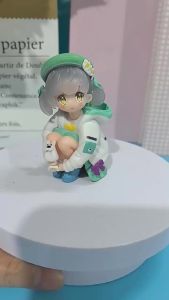
Bandai | Hot Sale 12cm Ageru Sahara Mafuyu Anime Girl Figure EUSUN Flowers for You Action Figure Collection Model Doll Toy Gift
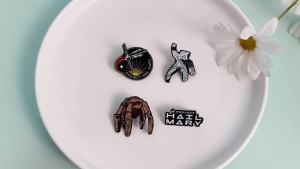
Bandai | 4pc Sci-Fi Enamel Pin Set Project Hail Mary Inspired Collectible Brooch Badges for Backpack

UNIITY Funny Fruit Shape Squeeze Toy Pinch Squeeze Design Release Emotion Anti-Stress Squeeze Toy Portable Soft Durable Stress Relief Toy for Adults Kids
Roblox Red Theme Table Cover Party Loot Bag Candy Square Box Party Tableware sold by Partybeeph
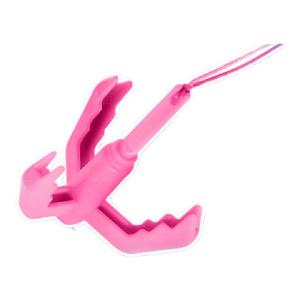
WEIBAI | Glow In The Dark Party Grabber Toy

7V Soft Slow Rebound Butter Stick Squeezing Toy Realistic Butter Sticks Decompression Fidget Toys

KEWANG | Educational Assembly Remote Control Car Toy for Boys Aged 6 to 12