


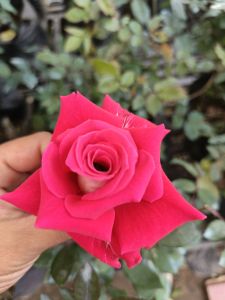
Rose Red Fertilizer: A Comprehensive Guide to Garden Plant Care
Rose Red Fertilizer: A Comprehensive Guide to Garden Plant Care
Rose Red Fertilizer is a popular choice among gardeners looking to enhance their plant growth and overall health. This comprehensive guide will cover everything you need to know about this organic fertilizer, from its ingredients and benefits to application techniques and troubleshooting common issues.
What is Rose Red Fertilizer?
Rose Red Fertilizer is a specially formulated organic fertilizer designed to promote healthy growth and vibrant blooms in garden plants. Its unique blend of natural ingredients provides essential nutrients and minerals to support robust root development, lush foliage, and abundant flowers.
Ingredients & Composition
The primary ingredients in Rose Red Fertilizer include:
-
Composted manure: Rich in nitrogen, phosphorus, and potassium, composted manure helps stimulate strong root growth and overall plant vigor.
-
Bone meal: A slow-release source of phosphorus, bone meal promotes healthy root systems and encourages blooming.
-
Fish emulsion: Packed with amino acids and trace minerals, fish emulsion enhances nutrient uptake and supports overall plant health.
-
Kelp meal: Rich in micronutrients and growth hormones, kelp meal boosts plant resilience and stress tolerance.
Benefits of Organic Fertilizer
Organic fertilizers like Rose Red Fertilizer offer numerous benefits over synthetic alternatives, including:
-
Improved soil health: Organic fertilizers enhance soil structure, increase microbial activity, and promote nutrient cycling.
-
Sustained nutrient release: Unlike synthetic fertilizers, organic fertilizers provide a slow-release source of nutrients that nourish plants over time.
-
Environmental sustainability: Organic fertilizers are derived from natural sources and biodegrade without leaving harmful residues in the soil.
How to Use Rose Red Fertilizer for Optimal Growth
To achieve optimal results with Rose Red Fertilizer, it's important to follow proper application techniques and frequency guidelines.
Application Techniques
There are several ways to apply Rose Red Fertilizer, depending on your garden setup and plant needs. Here are some common methods:
-
Top dressing: Spread a thin layer of fertilizer around the base of plants, taking care not to let it touch the stems or foliage.
-
Side dressing: Mix fertilizer into the soil alongside plants, being careful not to disturb the roots.
-
Water-soluble application: Dissolve the recommended amount of fertilizer in water and apply it directly to the soil or foliage.
Frequency of Application
The frequency of Rose Red Fertilizer application depends on factors such as plant type, growth stage, and environmental conditions. As a general guideline, apply fertilizer every 4-6 weeks during the growing season, adjusting as needed based on plant response.
Rose Red Growth Enhancer: A Closer Look
Rose Red Growth Enhancer is a concentrated version of the organic fertilizer, specifically formulated to boost plant growth and vitality. This section will delve deeper into its key ingredients and effects, as well as compare it to other fertilizers on the market.
Key Ingredients & Their Effects
In addition to the primary ingredients found in Rose Red Fertilizer, the Growth Enhancer also contains:
-
Seaweed extract: Rich in cytokinins and auxins, seaweed extract promotes cell division and elongation, leading to faster growth rates and increased yields.
-
Mycorrhizal fungi: These beneficial soil microorganisms form symbiotic relationships with plant roots, enhancing nutrient uptake and improving overall plant health.
-
Humic acid: A natural chelating agent, humic acid helps bind and release nutrients, making them more readily available to plants.
Comparison with Other Fertilizers
While there are many fertilizers available on the market, Rose Red Fertilizer stands out for its organic composition, sustained nutrient release, and environmental sustainability. Compared to synthetic alternatives, Rose Red Fertilizer offers a more holistic approach to plant nutrition, supporting both short-term growth spurts and long-term soil health.
Troubleshooting Common Issues with Rose Red Fertilizer
Despite its many benefits, Rose Red Fertilizer can sometimes lead to issues if not used correctly. This section will address two common problems: over-fertilization and under-fertilization.
Over-Fertilization
Over-fertilization occurs when too much fertilizer is applied, leading to nutrient imbalances and potential plant damage. Symptoms of over-fertilization include:
-
Yellowing leaves
-
Leaf burn
-
Stunted growth
To avoid over-fertilization, always follow the recommended application rates and frequency guidelines. If you suspect over-fertilization, flush the soil with water to leach excess nutrients and monitor plant response.
Under-Fertilization
Under-fertilization occurs when insufficient fertilizer is applied, resulting in nutrient deficiencies and poor plant growth. Symptoms of under-fertilization include:
-
Pale or yellowing leaves
-
Slow growth
-
Reduced flowering or fruiting
To address under-fertilization, increase the frequency or amount of fertilizer applications, taking care not to exceed the recommended guidelines. Regularly monitoring plant health and adjusting fertilizer applications as needed can help prevent nutrient deficiencies and promote healthy growth.
In conclusion, Rose Red Fertilizer is a powerful tool for gardeners looking to enhance plant growth and overall health. By understanding its ingredients, benefits, and proper application techniques, you can unlock the full potential of your garden and enjoy vibrant blooms and lush foliage all season long.

Yolanda Green
Review

You May Also Like

4pcs plastic Garden Fencing,Decorative Garden Fence Yard Patio Flower Bed Border
![[HomeToolss]Electric Insect Killer with Rotating Reflective Spiral for Outdoor Garden Pest Control Durable and Eco-Friendly Solution for Yard and Patio Protection](https://img.lazcdn.com/g/ff/kf/S9b4af6d2eb014a3fa0da7a6e10f2b6c6E.jpg_300x300q80.jpg)
[HomeToolss]Electric Insect Killer with Rotating Reflective Spiral for Outdoor Garden Pest Control Durable and Eco-Friendly Solution for Yard and Patio Protection

Vanuatu Hand Signal Flag Small Flag Cheer Flag Sports Games Cheer Flag Flags of All Countries in the World
Stainless Steel BBQ Clamp Long Kitchen Food Clamp Steakhouse Specialized Meat Clamp Barbecue Grill Tool Kitchen Utensil
MaxPlus Muti-purpose Adjustable Copper High Pressure Sprayer Garden Watering Car Wash For 1/2" Hose
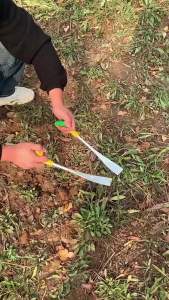
Nexlent Weeding Shovel Gardening Tool Household Planting Flowers To Drive The Sea Agricultural Shovel 1PC
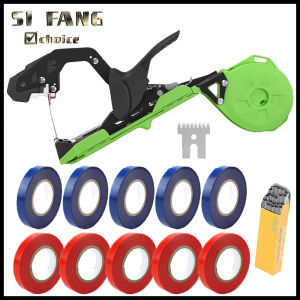
Tomato Binding Machine - New Gardening Tool for Seedling Vine Binding Vegetable Tapener Tapes for Home Garden Branch Tying
High Pressure Box for Trees & Grafting Plant Rooting: A Comprehensive Guide
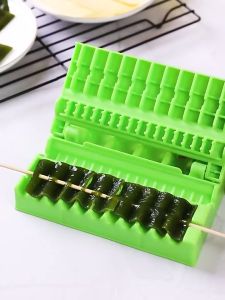
F.R Value Multifunctional Barbecue Skewer Machine Easy Operation Plastic Kebab Maker Pork Meat Picnic Skewer Accessories
COD 405/355mm Lengthened Mower Blade: A Comprehensive Guide
yellow big tomato 5 seeds fruit outdoor garden plant