


Reusable 3D Groove Arabic Alphabet Copybook: A Fun & Effective Learning Tool
Reusable 3D Groove Arabic Alphabet Copybook: A Fun & Effective Learning Tool
What is a Reusable Arabic Alphabet Copybook?
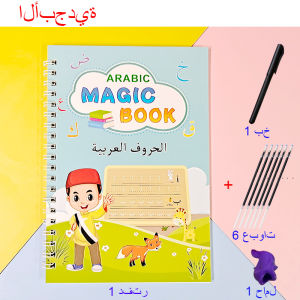
A reusable Arabic alphabet copybook is an educational tool designed to help children learn the Arabic alphabet in a fun and engaging way. This copybook features a unique 3D groove design that allows kids to trace letters repeatedly using washable markers, making it an ideal learning resource for children of various ages and skill levels.
How does it benefit children's learning experience?
The reusable Arabic alphabet copybook offers several benefits that enhance the learning experience for children:
-
Hands-on learning: By tracing letters on the copybook, children can develop their fine motor skills while learning the Arabic alphabet.
-
Visual stimulation: The 3D groove design helps children visualize the shape and formation of each letter, making it easier for them to remember and recognize them.
-
Engaging and interactive: The washable markers make the learning process fun and engaging, encouraging children to practice writing the letters repeatedly.
-
Cost-effective: Unlike traditional paper-based workbooks, the reusable copybook can be used multiple times, making it a cost-effective investment for parents and educators.
Key features of the Reusable Arabic Alphabet Copybook
-
3D groove design: The copybook features a unique 3D groove design that helps children visualize and trace the shape of each letter.
-
Washable markers: The copybook comes with washable markers that can be easily cleaned, allowing children to practice writing the letters repeatedly.
-
Durable construction: Made from high-quality materials, the copybook is designed to withstand repeated use and last for years.
-
Age-appropriate: The copybook is suitable for children of various ages and skill levels, making it an ideal learning resource for both beginners and more advanced learners.
How to Use the Reusable 3D Groove Copybook for Kids
Using the reusable Arabic alphabet copybook is simple and straightforward. Here's a step-by-step guide for parents and educators:
-
Introduce the copybook: Show the child the copybook and explain how it works. Demonstrate how to trace the letters using the washable markers.
-
Practice tracing: Encourage the child to practice tracing the letters using the washable markers. Remind them to follow the 3D groove design carefully.
-
Repeat and review: Encourage the child to repeat the tracing process until they feel comfortable with the shape and formation of each letter. Review the letters periodically to reinforce their memory.
Tips for maximizing learning outcomes
-
Create a routine: Incorporate the copybook into the child's daily learning routine to ensure consistent practice.
-
Make it fun: Use games and activities to make the learning process more enjoyable and engaging.
-
Monitor progress: Keep track of the child's progress and provide positive reinforcement to boost their confidence.
Integrating the Copybook into Children's Daily Learning Routine
Integrating the reusable Arabic alphabet copybook into children's daily learning routine is essential for maximizing their learning outcomes. Here are some tips for creating a conducive learning environment:
-
Designate a specific time: Set aside a specific time each day for the child to practice using the copybook.
-
Create a comfortable space: Provide a quiet and comfortable space for the child to practice using the copybook.
-
Encourage consistent practice: Encourage the child to practice using the copybook regularly to reinforce their learning.
Encouraging consistent practice with fun activities
To make the learning process more enjoyable and engaging, consider incorporating fun activities into the child's daily routine. Some ideas include:
-
Letter scavenger hunt: Create a scavenger hunt where the child has to find objects that start with specific letters.
-
Letter bingo: Create a bingo game using the Arabic alphabet to help children recognize and remember the letters.
-
Letter art: Encourage the child to create art using the letters they've learned.
Choosing the Right Copybook for Your Child
When selecting a reusable Arabic alphabet copybook for your child, consider the following factors:
-
Age-appropriate: Choose a copybook that is suitable for your child's age and skill level.
-
Durability: Look for a copybook made from high-quality materials that can withstand repeated use.
-
Ease of use: Choose a copybook that is easy to use and understand, with clear instructions and a simple design.
-
Price: Consider the price of the copybook and choose one that fits within your budget.
Recommended copybooks for different age groups
-
Beginners (ages 3-5): The [Product Name] Reusable Arabic Alphabet Copybook is ideal for beginners due to its simple design and easy-to-use washable markers.
-
Intermediate learners (ages 6-8): The [Product Name] Advanced Reusable Arabic Alphabet Copybook offers a more challenging design and includes additional features such as letter formation guides.
-
Advanced learners (ages 9-12): The [Product Name] Expert Reusable Arabic Alphabet Copybook is designed for advanced learners and includes advanced letter formation techniques and practice exercises.
The Future of Arabic Language Education: Embracing Innovation
The future of Arabic language education is bright, with technology playing an increasingly important role in enhancing the learning experience for children. By embracing innovation and incorporating hands-on learning experiences, we can ensure that children have access to the best possible resources for learning the Arabic language.
The role of technology in enhancing language learning
Technology has revolutionized the way we learn languages, making it easier and more accessible than ever before. From interactive apps to online courses, there are countless resources available to help children learn the Arabic language.
The importance of hands-on learning experiences
While technology can enhance the learning experience, hands-on learning experiences remain essential for developing a deep understanding of the language. By using tools like the reusable Arabic alphabet copybook, children can develop their fine motor skills while learning the Arabic alphabet, setting them up for success in their future language learning endeavors.
In conclusion, the reusable 3D groove Arabic alphabet copybook is an excellent tool for helping children learn the Arabic alphabet in a fun and engaging way. By incorporating this copybook into your child's daily learning routine and encouraging consistent practice, you can help them develop a strong foundation in the Arabic language and set them up for success in their future language learning endeavors.

Global Merch Park
You May Also Like

Spidey & His Amazing Friends: A Must-Have for Young Comic Lovers
1/ 3 Books By Norman Lewis Power Made Easy/ Instant Word Power/ 30 Days To Better English Improve English Skills Thirty to Better Classic Learning Book for Beginners Self-study Achieve Academic SuccessVocabulary Building Exam Preparations Linguistics
BUSY BOOK (I Can Binder) Pre K Level

New version of the power of words English version Norman Lewis culture Improve English level Office shorthand word strength no one shorthand book
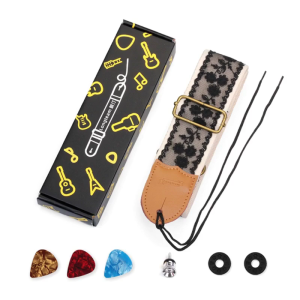
Vintage Black Lace Guitar Straps Universal Guitar Strap Adjustable Nylon Shoulder Strap Belt Guitar Accessories
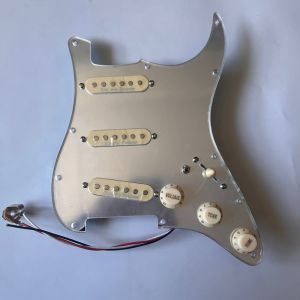
Prewired Loaded Guitar Stratocaster Pickguard SSS Pick Guard Seymour Duncan Single Coil Pickup CTS Copper Shaft Pots Multi Switch Silver Mirror for Fender Electric Guitar Part Replacement
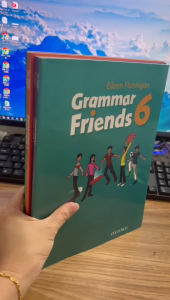
6 Books Grammar Friends 1-6 English Reading Picture Book Primary School Textbook for 6-12 Years Old
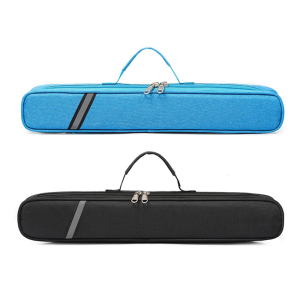
Universal Digital Wind Instrument Bag with Shoulder Sling Waterproof Soprano Saxophone Clarinet Carrying Bag Flute Case
1U Music Level Indicator Light LED Spectrum Display Meter Voice/Wire Remote Control Induction Signal Melody Rhythm Ambient Lamp

Sustain Me by Barbara O’Neill Book Ollie Books Maintain Reading Habits Ollie Books Maintain Read 支持我书芭芭拉 芭芭拉·奥尼尔

PINOY HOMEGROWN VEGETABLE RECIPES COOKBOOK - by Ma. Aurora L. Sicat & Jose A. Laciapag