



Baby Early Toothbrush Silicone Tongue Cleaning Oral Care for Infants And Toddlers Age 3 Months to 3 Years Old
Baby Early Toothbrush Silicone Tongue Cleaning Oral Care for Infants And Toddlers Age 3 Months to 3 Years Old
Understanding Early Childhood Oral Care
The Importance of Early Dental Hygiene
Early dental hygiene plays a crucial role in ensuring the overall health and well-being of infants and toddlers. Establishing good oral care habits at a young age can help prevent tooth decay, gum disease, and other dental issues that may arise later in life.
Key Milestones in Oral Development
Infants typically begin teething around 3-9 months old, with their first tooth emerging through the gums. By the age of 3 years, most children will have a full set of 20 baby teeth. During this time, parents should monitor their child's oral development closely, taking note of any signs of tooth decay, gum inflammation, or other issues.
Common Challenges Parents Face
Parents often face several challenges when it comes to maintaining good oral hygiene for their infants and toddlers. These challenges include teething pain, managing bad breath, and addressing gum inflammation.
Choosing the Right Baby Toothbrush
Factors to Consider When Selecting a Toothbrush
When choosing a baby toothbrush, parents should consider factors such as the size and shape of the brush head, the type of bristles, and the handle design. It's important to select a toothbrush that is appropriate for the child's age and stage of development.
Types of Baby Toothbrushes Available
There are several types of baby toothbrushes available on the market, including:
- Soft-bristled brushes for infants
- Finger toothbrushes for teething babies
- Manual toothbrushes for toddlers
- Electric toothbrushes for older children
Silicone Tongue Cleaners: An Essential Tool
Silicone tongue cleaners are an essential tool for maintaining good oral hygiene in infants and toddlers. They help remove bacteria and food particles from the tongue, reducing the risk of bad breath and gum inflammation.
Establishing a Consistent Oral Care Routine
Daily Brushing Techniques
Parents should establish a consistent oral care routine for their infants and toddlers, including daily brushing techniques. This may involve using a soft-bristled brush and a small amount of fluoride toothpaste, brushing twice a day for at least two minutes.
Proper Flossing Methods
Flossing is an important part of maintaining good oral hygiene in infants and toddlers. Parents should introduce flossing once their child has two teeth that touch, using a gentle, back-and-forth motion to remove food particles and plaque.
Maintaining Good Oral Health Habits
Maintaining good oral health habits is essential for preventing dental issues in infants and toddlers. Parents should encourage their children to brush and floss regularly, limit sugary snacks and drinks, and schedule regular dental check-ups.
Troubleshooting Common Issues
Dealing with Teething Pain
Teething pain can be a common issue for infants and toddlers. Parents can alleviate teething pain by providing teething toys, using a cold washcloth or chilled teething ring, or giving over-the-counter pain relief medication.
Addressing Gum Inflammation
Gum inflammation can be caused by a variety of factors, including poor oral hygiene, teething, or an underlying dental issue. Parents should address gum inflammation by improving their child's oral hygiene routine, scheduling a dental check-up, or consulting with a pediatric dentist.
Managing Bad Breath
Bad breath can be caused by a variety of factors, including poor oral hygiene, gum inflammation, or tooth decay. Parents can manage bad breath by improving their child's oral hygiene routine, addressing any underlying dental issues, and encouraging regular dental check-ups.

TAO Children Fun

Review

You May Also Like

Ampoule Bottle Opener / Nurse Glass Bottle Cutter Injection Glass Bottle Cutter
6 In 1 Electric Milk Bottle Warmer Heater Bottle Steam Sterilizer Multifunctional Large Capacity Baby Electric Milk Warmer Shaker With Temperature Control

Anti-Colic Breast Milk Soothing Pacifier for Infants 0-12 Months Silicone Material Realistic Design Sleep Aid Baby Nipple

A Comprehensive Guide to Foldable Strollers: Lightweight & Stable Baby Carriages

Hntob 2 in 1 Baby Carrier/ Nursing Breastfeeding Cover Newborn Adjustable Baby Sling Wrap

Portable Baby Formula Milk Powder Storage Box Partitioned Outgoing Durable Polypropylene PP Organizer for Infant Toddler

Cloud Soft Tissue 108 Sheets Moisturizing Thickened Cream Paper Towels for Newborn Babies Baby Care Professional Use

2in1Travel Baby Bag Crib Large Capacity Outdoor Lightweight Portable Tote Mother and Baby Bag Foldable Baby Crib Bed

Labubu Childrens Three-Sided Toothbrush 3 to 6-12 Years Old Dedicated Comprehensively Wrapped Cleaning Primary School Students
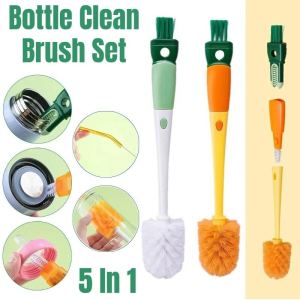
5 in 1 Bottle Cleaning Brush Set: Durable & Versatile Cleaning Tool

COCOME Rainbow CC Nipple 3 Pack Wide Mouth Y Hole Liquid Silicone for Baby under 1 Year Old Gurgling Bottle Special Use