


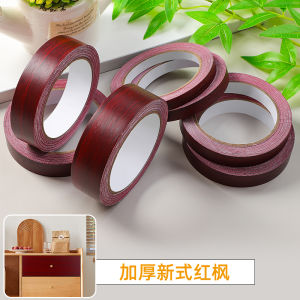
How to Repair Wooden Furniture with Self Adhesive Wood Grain Edge Seal Strip
How to Repair Wooden Furniture with Self Adhesive Wood Grain Edge Seal Strip
Understanding Self Adhesive Furniture Repair
What is a Self Adhesive Wood Grain Edge Seal Strip?
A self adhesive wood grain edge seal strip is a versatile repair tool designed to fix scratches, holes, and other damage on wooden furniture. These strips come in various wood grain patterns, allowing you to choose the perfect match for your project. By applying the strip, you can easily conceal imperfections and maintain the aesthetic appeal of your wooden furniture.
How to Apply a Self Adhesive Wood Grain Edge Seal Strip
To apply a self adhesive wood grain edge seal strip, follow these steps:
- Clean the damaged area thoroughly using a damp cloth.
- Allow the surface to dry completely.
- Measure the length and width of the damaged area.
- Cut the appropriate length of the wood grain edge seal strip using a sharp utility knife.
- Peel off the backing paper from the strip.
- Carefully press the strip onto the damaged area, starting from one end and working your way to the other.
- Smooth out any air bubbles or wrinkles using a credit card or similar tool.
- Trim excess material around the edges using a utility knife.
- Apply a thin layer of wood glue or wood filler to cover any gaps or seams.
- Allow the glue or filler to dry completely before sanding lightly with fine-grit sandpaper.
Repairing Wooden Doors with Self Adhesive Wood Grain Edge Seal Strip
How to Fix Wooden Door Scratch Holes
To fix wooden door scratch holes using a self adhesive wood grain edge seal strip, follow these steps:
- Clean the scratch hole area using a damp cloth.
- Allow the surface to dry completely.
- Measure the length and width of the scratch hole.
- Cut the appropriate size of the wood grain edge seal strip using a sharp utility knife.
- Peel off the backing paper from the strip.
- Carefully press the strip onto the scratch hole, starting from one end and working your way to the other.
- Smooth out any air bubbles or wrinkles using a credit card or similar tool.
- Trim excess material around the edges using a utility knife.
- Apply a thin layer of wood glue or wood filler to cover any gaps or seams.
- Allow the glue or filler to dry completely before sanding lightly with fine-grit sandpaper.
Tips for Preventing Future Damage to Wooden Doors
To prevent future damage to wooden doors, consider these tips:
- Install door stops to prevent the door from slamming against the frame.
- Regularly clean and maintain the door to keep it in good condition.
- Use a soft cloth or duster to wipe off dust and debris.
- Avoid placing heavy objects near the door to reduce the risk of accidental damage.
Floor Repair Tool: A Comprehensive Guide
What is a Floor Repair Tool?
A floor repair tool is a handy device used to fix scratches, dents, and other damage on wooden floors. These tools often come with a variety of attachments and accessories, making them suitable for different types of repairs.
How to Use a Floor Repair Tool with Self Adhesive Wood Grain Edge Seal Strip
To use a floor repair tool with a self adhesive wood grain edge seal strip, follow these steps:
- Clean the damaged area using a damp cloth.
- Allow the surface to dry completely.
- Measure the length and width of the damaged area.
- Cut the appropriate size of the wood grain edge seal strip using a sharp utility knife.
- Peel off the backing paper from the strip.
- Carefully press the strip onto the damaged area, starting from one end and working your way to the other.
- Smooth out any air bubbles or wrinkles using a credit card or similar tool.
- Trim excess material around the edges using a utility knife.
- Apply a thin layer of wood glue or wood filler to cover any gaps or seams.
- Allow the glue or filler to dry completely before sanding lightly with fine-grit sandpaper.
Wood Grain Patterns: An Overview
Common Wood Grain Patterns
There are many types of wood grain patterns, including straight grain, wavy grain, curly grain, and more. Each pattern has its own unique characteristics and aesthetic appeal, making them suitable for different projects.
Choosing the Right Wood Grain Pattern for Your Project
When choosing a wood grain pattern for your project, consider the following factors:
- The overall style and design of the furniture or floor.
- The color and texture of the surrounding materials.
- Personal preference and desired aesthetic.
Conclusion: Mastering Self Adhesive Furniture Repair
By mastering self adhesive furniture repair techniques, you can easily fix scratches, holes, and other damage on wooden furniture, doors, and floors. With the right tools and techniques, you can restore the beauty and functionality of your wooden items, extending their lifespan and maintaining their aesthetic appeal. Remember to choose the appropriate wood grain pattern and follow the steps outlined in this guide to achieve the best results.

TAO Lights & Décor
Review

You May Also Like
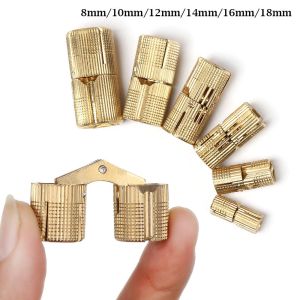
W5YR 1pc Gift Box Door Invisible Hidden Cylindrical Furniture Hinges Brass Hinges
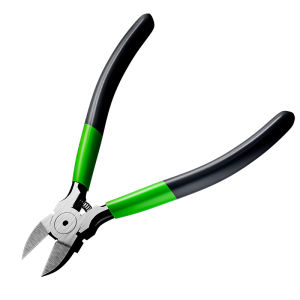
5inch / 6inch Mini Diagonal Plier Scissor for Jewelry Wire Cable Side Snips Cutter Electrical Multifunctional Needle Nose Pliers
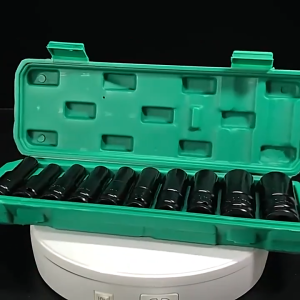
Impact Wrench Socket 10/15/20 pcs Set 1/2 Electric Power Tool Hex Socket Set

Stainless Steel Floor Screws 304/201 Wood Screws Anti-loose Corrosion-resistant Twist Floor Dragon Bone Nails for Woodworking

【1S Cutting】Makita 1288Vf Brushless Cordless Angle Grinder Heavy Duty Original Portable Rechargeable Lithium Batteries Cutting Polishing Sanding Tool Set With Accessories Protective Box Cutting Machine Angle Grinder
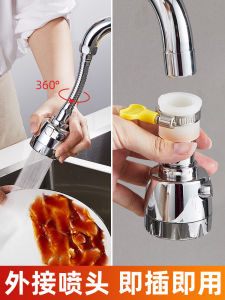
Kitchen Faucet Extender Connector Splash Proof Universal Water Pipe Spraying External Shower Head Waterproof Faucet Extension
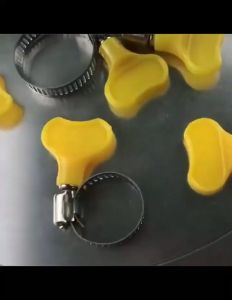
YoPo 10mm 13mm Hose Clamp Stainless Steel Adjustable Fuel Line Clamp with Handle
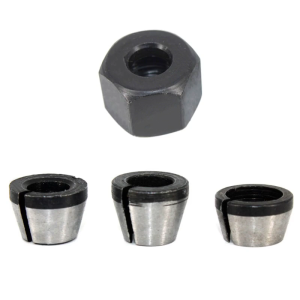
Router Collet Chuck High Precision Chucks Clamping Adapter for Woodworking Engraving Trimming Machine Tool Hss Steel
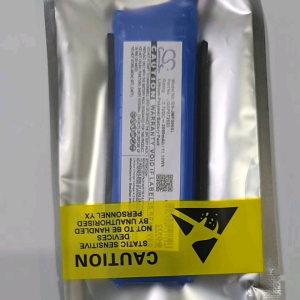
Flip 3 Battery Model CS-JMF300SL.
Germany Original Welding Machine MMA-650 Household Portable IGBT Inverter Welding Machine Power Tool
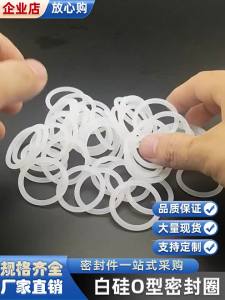
Water Pump Large White Rubber Seal Silicone o Ring 420 425 430 435 440 445 450*5.7