


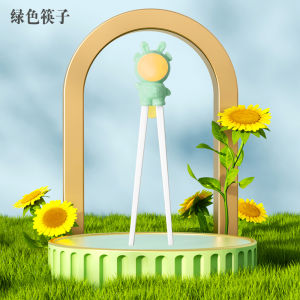
Children's Chopsticks PPSU Anti-slip High Temperature Resistant Training Chopsticks for Independent Feeding Practice Home Use
Children's Chopsticks PPSU Anti-slip High Temperature Resistant Training Chopsticks for Independent Feeding Practice Home Use
Introduction to Children's Chopsticks for Independent Feeding Practice
What Are Children's Chopsticks?
Children's chopsticks are specially designed utensils made for toddlers and young children to learn how to eat using chopsticks. These chopsticks are smaller, lighter, and easier to handle than adult chopsticks, making them ideal for little hands.
Benefits of Using Children's Chopsticks
Using children's chopsticks offers numerous benefits, such as promoting fine motor skills development, hand-eye coordination, and self-feeding independence. Additionally, they provide a fun and engaging way for kids to enjoy their meals while learning cultural traditions.
Types of Children's Chopsticks
There are various types of children's chopsticks available, including wooden, bamboo, plastic, and PPSU anti-slip chopsticks. Each material has its advantages, and parents should choose the type that best suits their child's needs.
Choosing the Right Chopsticks for Your Child
Key Features to Consider
When selecting the perfect pair of chopsticks for your child, consider factors like the chopstick's size, weight, material, and design. Look for chopsticks that are easy to grip, lightweight, and made from durable materials.
How to Choose the Right Size
The size of the chopsticks should be appropriate for your child's age and hand size. For toddlers, smaller chopsticks are recommended, while older children may benefit from slightly larger chopsticks.
Material Options for Children's Chopsticks
Materials commonly used for children's chopsticks include wood, bamboo, plastic, and PPSU anti-slip chopsticks. PPSU chopsticks are known for their durability, heat resistance, and non-toxic properties, making them an excellent choice for kids.
Using Chopsticks for Toddler Practice
How to Teach Your Child to Use Chopsticks
Teaching your child to use chopsticks can be a fun and rewarding experience. Start by demonstrating proper chopstick usage, then let your child practice with small, soft foods. Encourage them to practice regularly, and be patient throughout the learning process.
Benefits of Independent Feeding Practice
Independent feeding practice helps children develop essential life skills, such as self-feeding, fine motor skills, and hand-eye coordination. Additionally, it fosters a sense of independence and self-confidence in young children.
Tips for Successful Chopstick Training
Some tips for successful chopstick training include starting early, practicing regularly, using soft foods, and providing positive reinforcement. Remember to be patient and encouraging throughout the learning process.
Maintaining and Caring for Children's Chopsticks
Cleaning and Sanitizing
Regular cleaning and sanitizing of children's chopsticks are essential to maintain hygiene and prevent the spread of germs. Wash chopsticks thoroughly after each use with soap and water, and consider sanitizing them periodically.
Storing Chopsticks
Proper storage of children's chopsticks helps maintain their quality and extend their lifespan. Store chopsticks in a dry place, away from moisture and direct sunlight.
Replacing Worn or Damaged Chopsticks
Over time, children's chopsticks may become worn or damaged. Replace them as needed to ensure your child has a safe and enjoyable mealtime experience.

TAO Children Fun
Review
You May Also Like
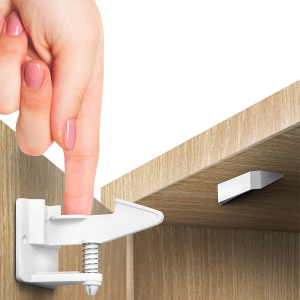
Child Safety Drawer Locks Durable ABS Plastic for Cabinet & Cupboard Easy Install & Finger Press Release
150/180/250ml Baby Silicone Feeding Nursing Bottle Nano Soft Milk Water Cup With Straw Nipples
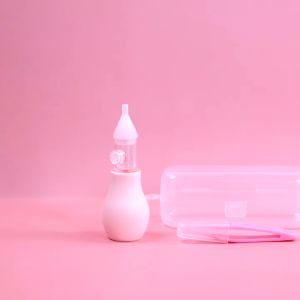
Anti-refluent nasal aspirator for baby Infant Reusable Nasal Mucus Suction Baby Nose Cleaner
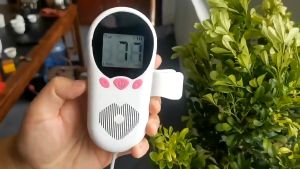
Heartbeat Monitor Fetal Doppler Heartbeat Monitor For Baby Heart Rate Monitor No Radiation With Gel 250ml
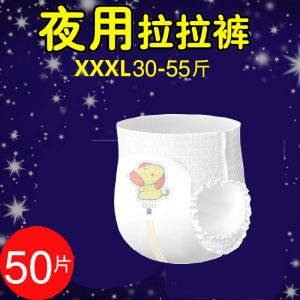
Extra Large 15.00 Kg-27.50 kg Childrens Fat Kids Boys and Girls Baby Diapers for Night Use over Plus Size Kids Pull up Diaper
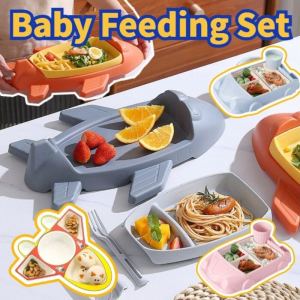
3 in 1 Baby Plate Set Baby Feeding Plate Set Tablewares Kids Cartoon Plane Car Separated Container
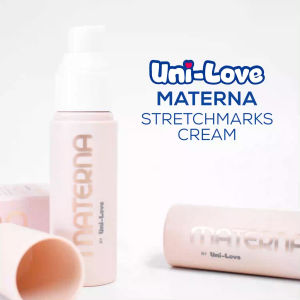
UniLove Materna Stretchmarks Cream 50g Pack of 1
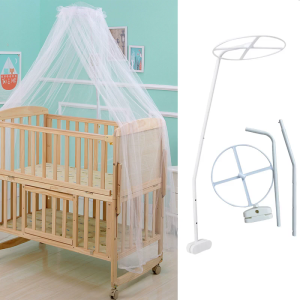
Universal Metal Mosquito Net Stand Bed Clip-On Bracket Infant Girls Bed Clip On Adjustable Holder (Stand Only)
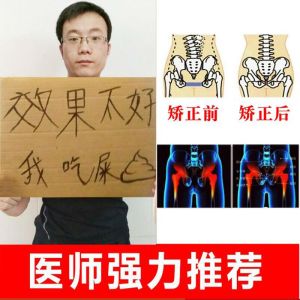
Postpartum Pelvic Girdle Belt Corrective Abdomen Recovery Hip Raising Pubic Separation Abdomen Tightening Thin Model Shaper
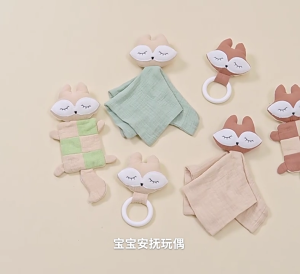
3Pcs Baby Comforting Towel Soothing Toy Burp Cloth Cartoon Sleeping Toy Newborns Rattle Toy with Teether Circlet
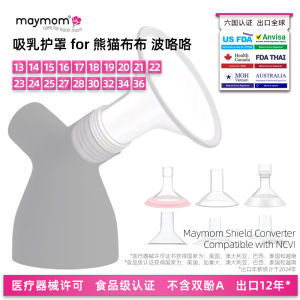
Maymom Duckbill Cover Adapter Ring Multi-Sizes Small Caliber to Large Caliber Converter for Breast Pump Accessories Maternity Wear