


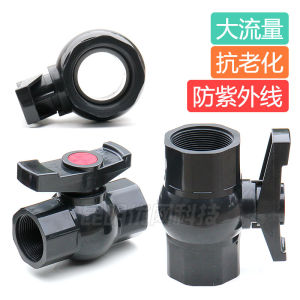
PVC Ball Valve Water Shift Plastic Water Pipe Anti-Aging Main Gate 4 Points 6 Points 1 Inch 2 Inch 20 25 32 40 50 63
PVC Ball Valve Water Shift Plastic Water Pipe Anti-Aging Main Gate 4 Points 6 Points 1 Inch 2 Inch 20 25 32 40 50 63
Introduction to Anti-Aging Main Gate
What is the Anti-Aging Main Gate?
The Anti-Aging Main Gate is a cutting-edge plumbing component designed to prevent premature aging and corrosion in water pipes. It is specifically engineered to protect water shift plastic pipes from wear and tear caused by water pressure, temperature fluctuations, and environmental factors.
Benefits of the Anti-Aging Main Gate
- Longevity: Extends the lifespan of water shift plastic pipes by preventing corrosion and degradation.
- Cost-effective: Reduces maintenance costs associated with frequent pipe replacement.
- Efficiency: Ensures optimal water flow and pressure, improving overall system performance.
Installation of the Anti-Aging Main Gate
Installing the Anti-Aging Main Gate is a straightforward process that involves connecting it to the existing water shift plastic pipe system. Follow the manufacturer's guidelines for proper installation, ensuring secure connections and adequate support for the component.
Understanding Water Shift Plastic Pipe
What is Water Shift Plastic Pipe?
Water shift plastic pipes are flexible, durable, and lightweight alternatives to traditional metal pipes. They are commonly used in residential and commercial plumbing systems due to their cost-effectiveness, ease of installation, and resistance to corrosion.
Advantages of Water Shift Plastic Pipe
- Durability: Resistant to corrosion, rust, and chemical damage.
- Flexibility: Easy to bend and install, reducing the need for additional fittings.
- Cost-effective: Lower material and labor costs compared to metal pipes.
Installation of Water Shift Plastic Pipe
When installing water shift plastic pipes, ensure proper planning and preparation. Measure the required length accurately, and use appropriate fittings and connectors to create a secure, leak-free system.
PVC Ball Valve Overview
What is a PVC Ball Valve?
A PVC ball valve is a type of shut-off valve made from polyvinyl chloride (PVC) material. It features a rotating ball with a hole through its center, allowing for the control of fluid flow within a piping system. PVC ball valves are widely used in plumbing applications due to their durability, chemical resistance, and ease of operation.
PVC Ball Valve Specifications
- Material: Polyvinyl chloride (PVC)
- Temperature Range: -20°C to +60°C (-4°F to +140°F)
- Pressure Rating: 10 bar (145 psi)
- Connection Type: Threaded, flanged, or socket weld
How to Install a PVC Ball Valve
To install a PVC ball valve, follow these steps:
- Measure the required pipe size and cut the pipe to length using a pipe cutter.
- Clean the pipe ends and apply primer and cement to the joint surfaces.
- Insert the PVC ball valve into the pipe system, ensuring proper alignment and connection.
- Allow the cement to cure according to the manufacturer's instructions before operating the valve.
4 Points & 6 Points Explained
What are 4 Points & 6 Points?
4 points and 6 points refer to the number of connection points on a plumbing component, such as a manifold or distribution block. A 4-point component has four connection points, while a 6-point component has six connection points. These components are commonly used in residential and commercial plumbing systems to distribute water flow to multiple outlets or appliances.
How to Choose Between 4 Points & 6 Points
Choosing between a 4-point and 6-point component depends on the specific needs of your plumbing system. If you require fewer connections, a 4-point component may be sufficient. For larger systems with more outlets or appliances, a 6-point component may be more appropriate.
Installation Tips for 4 Points & 6 Points
When installing 4-point or 6-point plumbing components, ensure proper planning and preparation. Measure the required pipe size accurately, and use appropriate fittings and connectors to create a secure, leak-free system. Follow the manufacturer's guidelines for proper installation, ensuring secure connections and adequate support for the component.
Pipe Sizing & Compatibility
What are the Different Pipe Sizes?
Pipe sizes are typically measured in inches, with common sizes including 1 inch, 2 inches, and larger diameters. The size of the pipe depends on the specific application and desired flow rate.
Which Pipe Size Should I Choose?
Choosing the right pipe size depends on the specific needs of your plumbing system. Consider factors such as flow rate, pressure, and the number of outlets or appliances connected to the system.
Compatibility with Other Plumbing Components
Ensure compatibility between different plumbing components by checking the manufacturer's specifications and following industry standards. Properly sized and compatible components will ensure optimal performance and longevity of your plumbing system.

TB supermarket store
Review

You May Also Like

Portable Ladder Sturdy Non-Slip Lightweight Foldable Storage Ladder Aluminum Folding Step - Paez Official
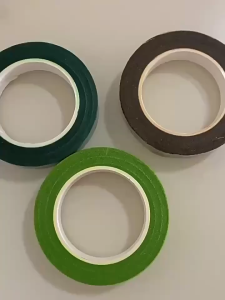
Floral Green Paper Tape | Self-Adhesive Waterproof for DIY Flower Arrangements Rose & Stem Wrapping | Durable Florist Tape for Crafts
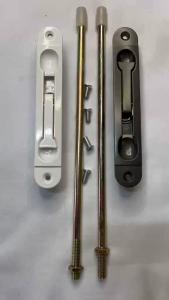
AC GLASS: FLUSH BOLT (1 set)
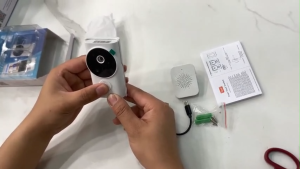
MeeGoo Video Doorbell Wireless Camera Remote Video Two-Way Intercom Night Vision Smart Home Doorbell
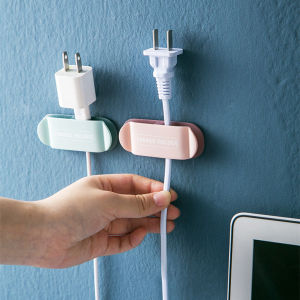
Digeo Plug Holder: Wall-Mounted Power Cord Storage & Adhesive-Free Punch Bracket
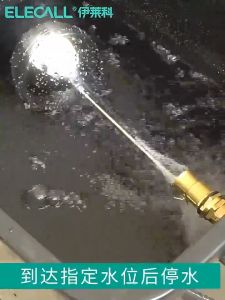
Multifunctional Thread Floating Ball Valve (1/2inch, 3/4inch, 1inch) - CP-417

LoviRa Caution Tape (Non-Adhesive) Isolated Barricade Yellow and Red Danger Warning Tape 100m/roll
Perfect Life Washable Roller Sticky Hair Clothes Remover
ZHS 3 in 1 set bathroom Non-Slip Pedestal Rug Lid Toilet Cover Bath Mat
Thickened Plastic Face Washing Basin Transparent Large Size Laundry Basin Butt Washing Foot Washing Basin for Home And Dormitory Use

【💕Ready Stock🎉】household-tools Anti Spy Camera Detector RF Signal Cam Finder Bug Detector Wireless Audio Bug Hidden Cameras