


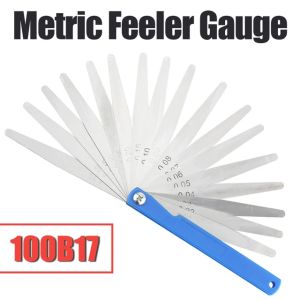
Tyture 100B17 Feeler Gauge: A Comprehensive Guide
Tyture 100B17 Feeler Gauge: A Comprehensive Guide
A feeler gauge set is an essential tool for any mechanic or DIY enthusiast who wants to ensure accurate measurements of valve gaps and spark plug gaps. In this comprehensive guide, we will delve into the features of the Tyture 100B17 feeler gauge set, its gauge range, and how to use it effectively for valve gap and spark plug gap measurements.
What is a Feeler Gauge Set?
A feeler gauge set, also known as a thickness gauge, is a collection of thin blades of varying thicknesses used to measure small gaps or clearances. These gauges are typically made of stainless steel or other corrosion-resistant materials and come in both metric and imperial sizes.
Key Features of the Tyture 100B17
The Tyture 100B17 feeler gauge set is a high-quality metric thickness gauge designed for accurate valve gap and spark plug gap measurements. Its key features include:
- Metric Gauge Range: The Tyture 100B17 offers a range of 0.02mm to 1mm, allowing for precise measurements.
- Stainless Steel Blades: The feeler gauge blades are made of stainless steel, ensuring durability and resistance to corrosion.
- Compact Storage Case: The set comes with a compact storage case, making it easy to carry and store.
Understanding the 0.02-1mm Gauge Range
The gauge range of the Tyture 100B17 feeler gauge set is crucial for accurate measurements. The range of 0.02mm to 1mm allows users to measure small gaps and clearances with precision. This range is ideal for valve gap and spark plug gap measurements, as these components require tight tolerances for optimal performance.
How to Measure Valve Gaps with a Feeler Gauge
Measuring valve gaps is an essential part of engine maintenance, as incorrect valve clearance can lead to poor engine performance and potential damage. In this section, we will provide a step-by-step guide to measuring valve gaps using a feeler gauge.
Step-by-Step Guide to Measuring Valve Gaps
- Remove the spark plugs from the engine.
- Rotate the crankshaft until the desired cylinder's intake and exhaust valves are open.
- Insert the appropriate feeler gauge blade into the gap between the valve and the valve seat.
- Rock the blade gently to check for proper clearance.
- Adjust the valve clearance by turning the adjusting screw until the correct gap is achieved.
Common Mistakes & Tips for Accurate Measurement
- Incorrect Blade Selection: Always choose the correct blade thickness for the specific valve gap measurement.
- Over-Tightening Adjusting Screws: Avoid over-tightening the adjusting screws, as this can cause damage to the valve train.
- Incorrect Measurement Technique: Ensure that the feeler gauge blade is inserted correctly and rocked gently to check for proper clearance.
Using a Feeler Gauge for Spark Plug Gap Measurement
Accurate spark plug gap measurement is essential for optimal engine performance. In this section, we will discuss why accurate spark plug gap matters and how to choose the right tool for the job.
Why Accurate Spark Plug Gap Matters
An incorrect spark plug gap can lead to poor engine performance, misfires, and increased fuel consumption. Ensuring the correct spark plug gap is crucial for maintaining optimal engine efficiency and longevity.
Choosing the Right Tool for the Job
When measuring spark plug gaps, it is essential to choose the correct feeler gauge set. The Tyture 100B17 feeler gauge set offers the necessary gauge range and precision for accurate spark plug gap measurements.
Comparing Feeler Gauges: Metric vs. Imperial
Feeler gauges come in both metric and imperial sizes, and choosing the right type depends on your specific needs. In this section, we will explore the differences between metric and imperial gauges and which one is best for your requirements.
Understanding the Differences Between Metric & Imperial Gauges
Metric gauges use millimeters (mm) as the unit of measurement, while imperial gauges use inches (in) and fractions of inches. Metric gauges are generally more precise, as they offer finer increments.
Which One is Best for Your Needs?
If you work primarily with metric measurements, the Tyture 100B17 feeler gauge set is an excellent choice. However, if you require imperial measurements, consider purchasing an imperial feeler gauge set.
Conclusion: The Importance of Accurate Measurements
Accurate measurements are crucial for maintaining optimal engine performance and preventing potential damage. The Tyture 100B17 feeler gauge set offers the necessary precision and durability for accurate valve gap and spark plug gap measurements. By following the guidelines outlined in this comprehensive guide, you can ensure accurate measurements and maintain the health of your engine.

GlobalLifestyle
Review
You May Also Like
Self adhesive peeled off Wallpaper 3D Carving ceiling decorative strip wall skirting line home decoration wall sticker
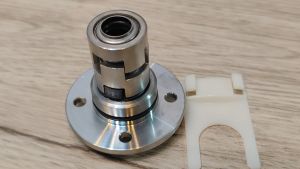
Mechanical Seal 12mm 4R Mounted SICSICVITON | Mechanical Seal for Water Pump
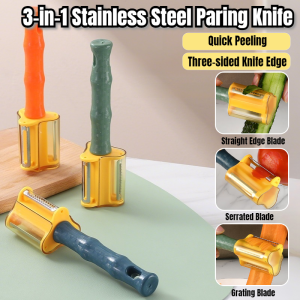
💕Three in One💕Stainless Steel Peeling Knife Kitchen Utensils Dual-Purpose Grater Peeling Melon and Fruit Peeler

Glass Pipettes Graduated Dropper 0.5ml 1ml 2ml 3ml with Rubber Caps for Transfer Liquid Essential Oil / Chemicals - Synchronicity Agham Series

VOC-Free Wood Paint Upgrade for 2025: Odorless Wood Paint for Furniture with Free Brush and Glove
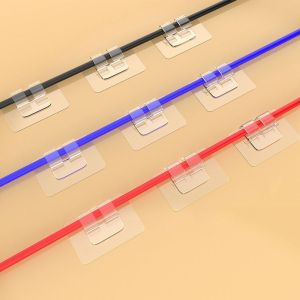
LITUILI 10pcs Punch-free Transparent Hanging Shelf Hook Traceless Wall-mounted Strong Self Adhesive Hooks Wire Organizer Universal Wire Storage Hook Home
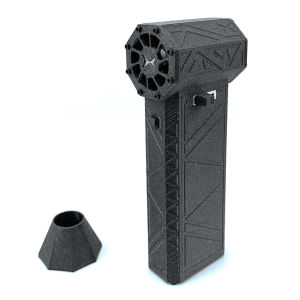
Welcomehome Small Turbo Jet Fan: A Speed Adjustable Air Blower for Your Cleaning Needs
![[2 Years Warranty] Air Blower Cordless 4 in 1 Electric Blower 17000RPM High-Power Outdoor Handheld Leaf Blowers 3000mAh Battery (Free 4 Nozzles)](https://img.lazcdn.com/g/ff/kf/S67b0cb4101764ae290f42aaaf5ca58434.jpg_300x300q80.jpg)
[2 Years Warranty] Air Blower Cordless 4 in 1 Electric Blower 17000RPM High-Power Outdoor Handheld Leaf Blowers 3000mAh Battery (Free 4 Nozzles)
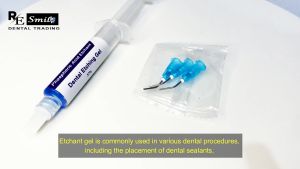
Professional Prep Gel – Multi-Purpose Cleaning & Prep
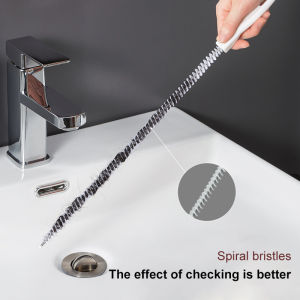
Pipe Dredging Brush Bathroom Hair Sewer Sink Drain Cleaner Clog Plug Hole Remover Tool 45/60cm

Expert Recommended: Blissful Degree Simple Shower Nozzle & Rubber Hose For Pet Animal Water Sprayer & Cleaning Bathing Supplies